
Custom Bomber Jacket Manufacturer for Clothing Brands
Hexa Gears is a custom bomber jacket manufacturer and B2B supplier in Sialkot, Pakistan. We produce private label and OEM bomber jackets for clothing brands, retailers and wholesale buyers, from low MOQ small batch runs to bulk orders.
BOMBER JACKET RANGES FOR YOUR NEXT COLLECTION
Bomber Jacket Styles for Your Wholesale Brand
Explore wholesale bomber jacket ranges by silhouette, construction, and finish. These choices can overlap a cropped bomber may also feature a satin shell or quilted lining. Use the following styles to define your collection’s direction before confirming materials and production specifications.

MA-1 Bomber Jackets
A flight-inspired silhouette with a rib-knit collar, cuffs and waistband, a front zipper and a recognizable sleeve utility pocket. This style provides a familiar starting point for casual outerwear and military-inspired streetwear collections.

Lightweight Bomber Jackets
Lightweight nylon or polyester shells create a less bulky layering piece. Unlined and lightly lined versions serve different collection needs, so specify whether your design requires a simple outer layer or a finished interior lining.

Satin Bomber Jackets
A smooth, lustrous shell gives satin bombers their distinctive appearance. Souvenir-inspired versions introduce embroidered artwork and contrasting panels, making the placement and scale of chest or back graphics central to the design.
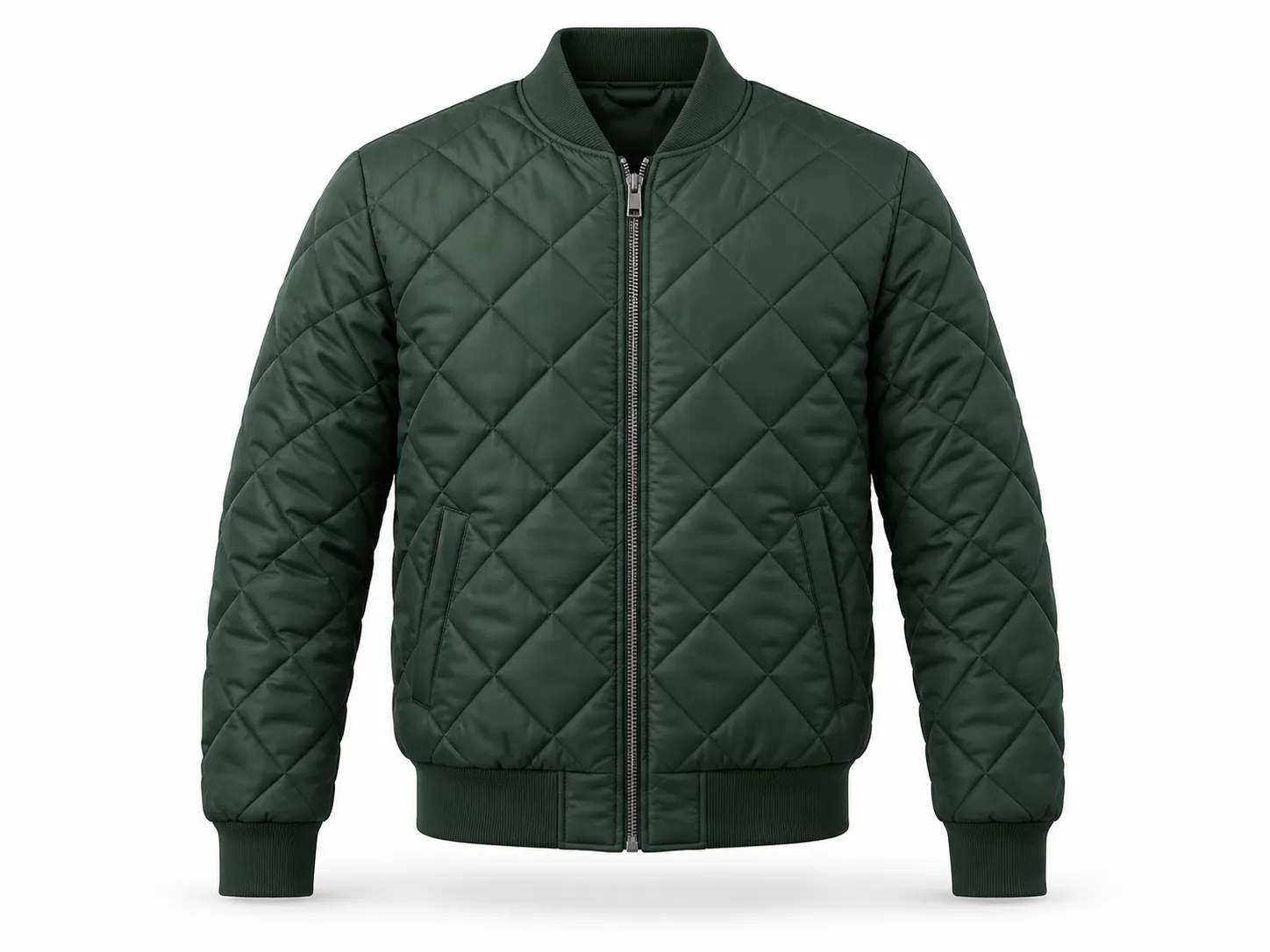
Quilted Bomber Jackets
Quilting adds stitched surface patterns, while padding adds volume and insulation. The quilted detail can appear on the outer shell of jacket or remain inside the lining; a padded bomber can also have a smooth exterior.
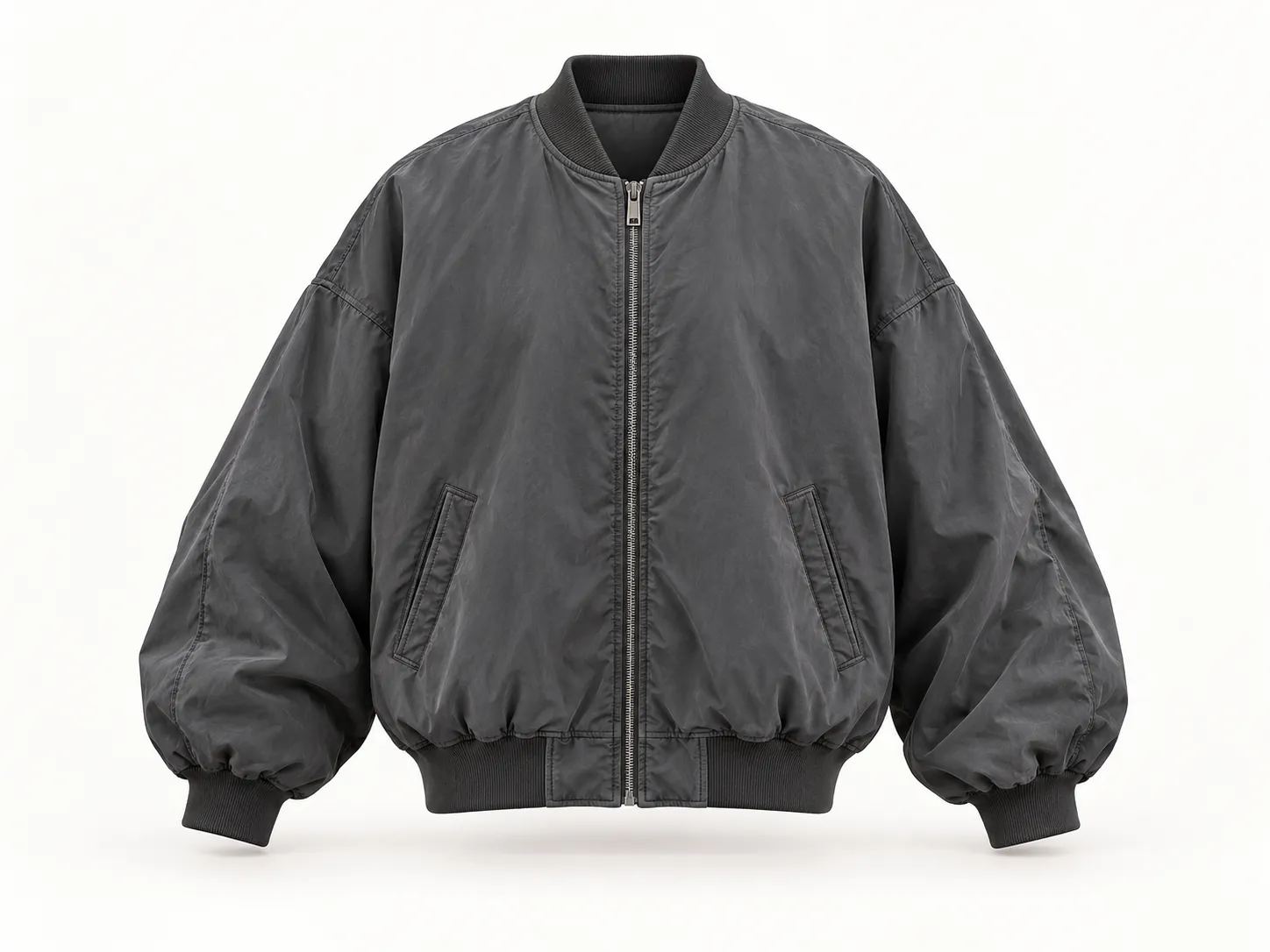
Oversized Bomber Jackets
A wider body and fuller sleeves create a relaxed streetwear silhouette. Define shoulder shape, sleeve volume and hem position together so the oversized proportions look intentional and provide the desired room for layering.
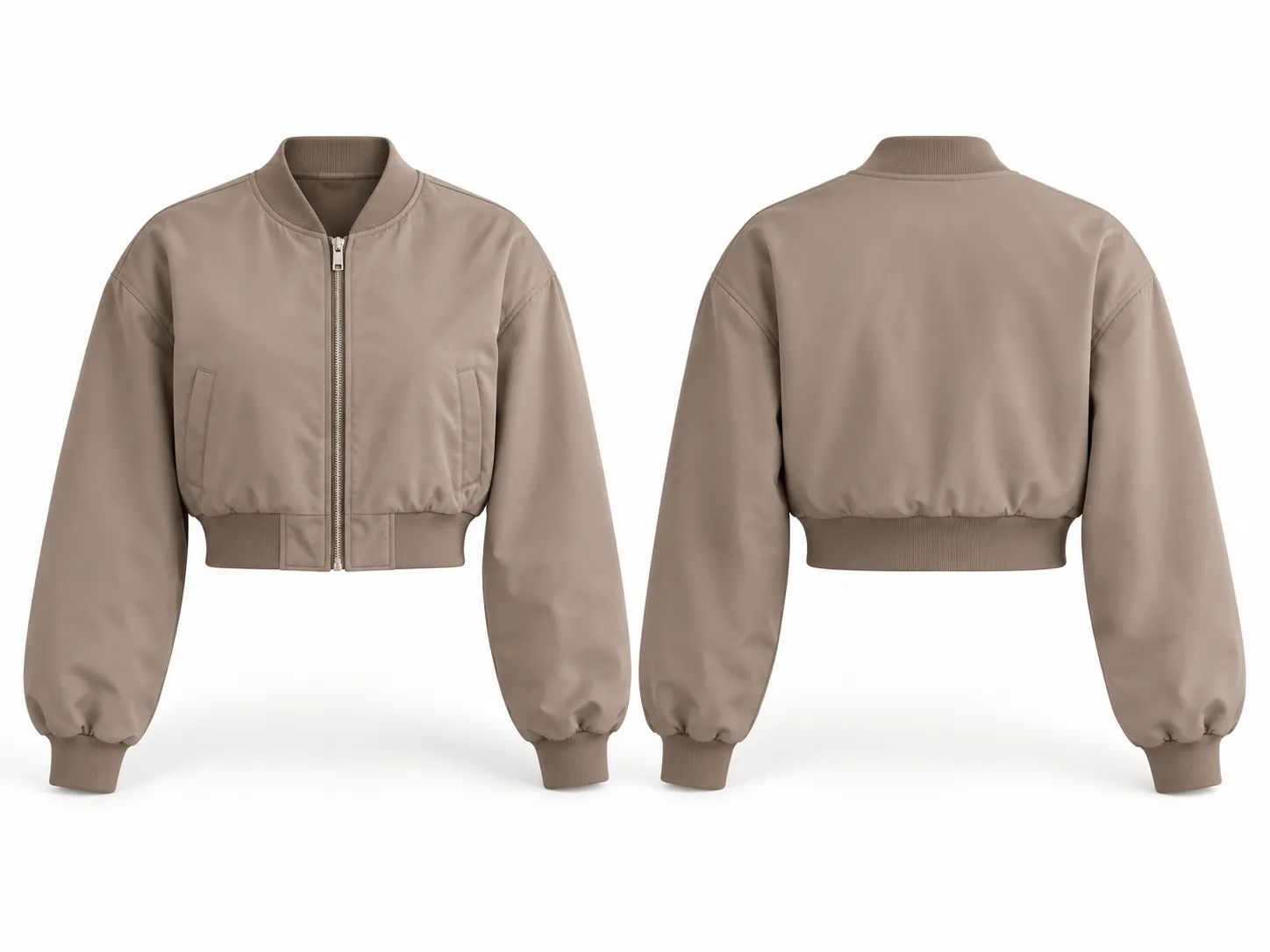
Cropped Bomber Jackets
A shorter body changes where the jacket finishes against the waist and the clothing worn underneath. Cropped bombers can have fitted, boxy or relaxed proportions, making the intended hem position an essential detail in the design brief.

Reversible Bomber Jackets
Two wearable faces allow contrasting colors, fabrics or artwork within one jacket. Both sides require finished pockets, suitable closures and carefully positioned labels so either face works as the exterior.

Hooded Bomber Jackets
A hood adds another styling element to the bomber silhouette. Specify a fixed or removable hood and how it should sit around the collar, particularly when the design also includes a ribbed neckline.

Leather Bomber Jackets
Leather and suede bring different surface finishes to the bomber silhouette. Identify the required material clearly in your brief, including whether you want leather, suede or a synthetic alternative.

Cotton Twill Bomber Jackets
Cotton twill has a diagonal weave and a matte appearance. It suits casual and workwear-inspired collections, with fabric weight, pocket construction and trims shaping the final look.

Varsity-Inspired Bomber Jackets
Contrast sleeves, striped ribbing and letter patches bring a collegiate look to the bomber silhouette. Customize panel colors and branding for club merchandise, clothing brands and wholesale collections.

Suede Bomber Jackets
A soft, napped surface gives suede bombers their matte, textured appearance. Specify genuine suede or a synthetic alternative, as material choice affects pricing, care requirements and the finished feel.


YOUR B2B MANUFACTURING PARTNER
our Bomber Jacket Manufacturing Partner in Sialkot, Pakistan
HexaGears is a B2B apparel manufacturer supporting startups, established clothing brands and wholesale businesses. We work with buyers developing their own collections, providing design assistance and manufacturing support from our base in Sialkot, Pakistan.
Our approach considers the business requirements behind your bomber jacket project: the intended selling market, target unit cost, order quantity and launch schedule. These details help us discuss material and construction choices in the context of your budget and product positioning. Whether you are introducing your first outerwear line or expanding an existing collection, we help you assess the requirements before finalizing the production specifications.
Inside a Bomber Jacket: Key Components
When apparel buyers inspect a sample, they look past the basic silhouette and examine how the components are engineered together. A retail-grade bomber jacket relies on seven structural elements working in harmony. If even one component is cut with cheap trim or wrong sewing tension, the entire garment loses its shape.

Bomber Jacket Fabric Options and Material Composition
Selecting the right textile composition determines how your bomber jacket drapes on the body, performs across seasons, and justifies its retail price tag. As a custom bomber jacket manufacturer offering B2B production with custom fabrics, we source mill-tested outer shells, linings, and trims that eliminate common buyer complaints like papery hand-feel, post-wash shrinkage, and color bleeding.
Bomber Jacket Size Chart and Measurement Guide
Whether your customers are in North America, Europe, the UK, or Asia, sizing consistency is critical when ordering wholesale bomber jackets. You can submit your own graded spec sheet in your tech pack, or build upon our production-tested US/EU unisex baseline chart below.

Standard Unisex Classic-Fit Bomber Jacket Size Chart (Inches)
|
Measurement Point (POM) |
XS |
S |
M |
L |
|---|---|---|---|---|
|
A. Half-Chest Width |
20.5″ |
21.5″ |
22.5″ |
23.5″ |
|
B. Center Back Length |
25.0″ |
25.75″ |
26.5″ |
27.25″ |
|
aC. Shoulder-to-Shoulder Width |
17.5″ |
18.25″ |
19.0″ |
19.75″ |
|
D. Sleeve Length |
24.75″ |
25.25″ |
25.75″ |
26.25″ |
|
E. Half-Waist / Bottom Hem |
16.5″ |
17.5″ |
18.5″ |
19.5″ |
How to Measure Your Bomber Jacket
Close the zipper and lay the jacket flat without stretching the fabric or ribbing.
Chest width: Measure straight across the chest at the agreed measuring line below the armholes. This is a half-chest measurement: a 23-inch flat width represents approximately 46 inches around the garment, not a recommended 46-inch body chest.
Body length: Measure down the center back from the collar attachment seam to the bottom edge of the ribbed hem. Exclude the collar itself.
Sleeve length: Measure from the shoulder seam along the sleeve to the end of the ribbed cuff. Lay the sleeve flat without stretching.
Sizing Details to Confirm for Your Collection
Specify the style alongside the size label.
Slim, regular, oversized and cropped bombers require different measurement specifications. Identify the intended silhouette on each chart so a size M from one style is not automatically used for another. Established bomber brands also distinguish their fits and direct buyers to individual product guidance.
Check the sample with its intended layers.
For a bomber designed to sit over a sweatshirt, assess the sample over that layer. For padded versions, review the jacket with the intended lining and insulation installed. This checks the usable room inside the finished garment, beyond its external chest width.
Make unisex sizing guidance specific to the product.
A blanket instruction to “size down” can be misleading. Compare the intended wearers’ measurements with the actual jacket and confirm the guidance during fit review. Even established brands publish different sizing recommendations for particular unisex styles.
Record ribbed openings separately.
Include relaxed cuff and waistband widths in the production specification. Where extended measurements are needed, document the measuring method separately so stretched and relaxed values are not confused.
Size Grading and Production Tolerances
Grading determines how each measurement changes between sizes. Chest width, body length, shoulders and sleeves need defined increments suited to the approved design.
Tolerance defines the permitted variation around each target measurement. Agree on tolerances by measuring point, with attention to smaller details such as cuff height and waistband depth. Check them against the grading increments so acceptable variation does not blur the distinction between neighboring sizes.
Keep the approved measurements, measuring diagram and revision date together as the sizing reference for your bulk order.
Bomber Jacket Construction & Stitching Details
Two bomber jackets can share the exact same GSM weight on paper yet look and feel completely different in a customer’s hands. The difference comes down to weave construction, yarn twist, and mill finishing. When sourcing custom bomber jackets in bulk, controlling the surface texture and finish ensures your outerwear looks like a high-margin retail garment rather than a cheap promotional windbreaker.
Panel Cutting & Alignment
Body and sleeve panels need consistent cutting direction and matching reference points. Directional fabrics such as suede and corduroy require extra care to avoid uneven surface appearance. Pocket positions, panel joins and front lengths should align across both sides.

Seam Construction & Edge Finishing
Lockstitch is commonly used to join woven panels and apply topstitching. Depending on the material and design, raw edges may need overlocking, binding or enclosed seams. Seam allowance, thread, needle and stitch length should suit the fabric; adding more stitches does not automatically improve strength.
Zipper & Front Opening
The zipper needs even attachment on both sides so the collar, panel seams and waistband meet when closed. Controlled fabric feeding helps prevent a wavy front. Facings and lining should sit clear of the teeth, allowing the slider to move freely.
Collar, Cuff & Waistband Attachment
Rib-knit trims need evenly distributed tension during attachment. Uneven stretching can twist the collar, distort cuffs or gather the hem more on one side. The joining seam must support the required movement without broken stitches.

Lining & Padding Assembly
The lining needs enough room for movement without pulling the shell or hanging below the hem. Padding requires securing through suitable quilting or anchoring to limit shifting. Stitch spacing should follow the selected insulation’s requirements, with excess bulk controlled at seams.
Pocket & Stress-Point Reinforcement
Pocket openings and closure positions face repeated pulling during wear. Depending on the material, reinforcement may include bar tacks, backing patches or additional stitching. Pocket bags also need secure attachment without pulling the outer shell out of shape.
Bomber Jacket Fit: What to Check Before Bulk Production
A bomber can match the size chart and still fit poorly. For custom bomber jacket orders, review how the chest, sleeves, lining and ribbed hem work together—not just the size label.
Chest Room Without Oversized Shoulders
Adding chest width alone can leave the shoulders too wide or the sleeves poorly positioned. For fuller chests, busts or broader backs, review front and back room, shoulder placement and upper-arm width separately. The jacket should close without pulling while keeping the intended silhouette.
Hem Position & Waistband Grip
Decide whether the bomber finishes at the waist, upper hip or lower hip. Each position meets a different body circumference. A tight ribbed hem can make the jacket ride up or balloon above the waistband; a loose one can lose the intended shape. Check both its relaxed width and comfortable stretch.
Arm Movement With the Jacket Zipped
Ask the fit wearer to reach forward and bend their elbows with the jacket closed. Pulling across the back or tightness around the upper arms may require changes to the armhole, sleeve shape or back allowance. Simply widening the whole jacket can create unnecessary bulk elsewhere.


Front Length for Fuller Body Shapes
A fuller bust or abdomen can require more front length as well as width. If the front hem lifts while the back sits correctly, review the pattern’s front-to-back balance. Increasing the entire jacket length may leave the back too long without correcting the fit.
Usable Space Inside Padded Jackets
Outer chest measurements do not show how much room remains inside an insulated jacket. Review fit with the selected padding, lining and intended clothing layer in place. A restrictive lining can also limit movement even when the outer shell appears roomy.
Fit Checks Across the Size Range
Approval of one medium sample does not confirm the fit of every size. For private label collections with a broad size range, agree on additional sample sizes and review shoulder position, upper-arm room, front balance and waistband comfort—not just whether measurements increase correctly.
CUSTOM DESIGNS FOR B2B COLLECTIONS
With HexaGears, you can specify your bomber jacket’s materials, colors, fit, branding, and finishing details. Develop custom bomber jackets with your choice of shell fabric, lining, colors, measurements and branding. Our customization support covers the garment’s design details as well as logo application for wholesale and private label collections.

Custom Colors & Contrast Panels
Color selection: Choose available fabric colors or request custom-dyed shades against a Pantone reference, subject to minimum quantities.
Panel design: Specify contrasting body and sleeve panels, seam positions and the arrangement of colors across the jacket.

Zippers, Pullers & Snaps
Coordinate zipper teeth, pullers and snaps with your collection’s hardware finish. Specify standard or custom-branded components early, as custom hardware can affect tooling costs, minimum quantities and production lead time.

Pocket Configuration
Adjust pocket placement, depth and closure type around your customers’ needs. Options can include side-entry pockets, internal storage and sleeve utility pockets. Confirm usable opening sizes and avoid conflicts with artwork or panel seams.

Collars, Ribbing and Closures
Collar design: Specify the collar shape and proportions to suit your chosen bomber style.
Cuffs and waistband: Set rib height and choose matching or contrasting colors to control the appearance of the jacket’s edges.
Zippers and hardware: Define zipper color, puller details and hardware finish, with branded hardware incorporated into the agreed design.

Lining Options
Select matching, contrasting or branded lining for your private label bomber jackets. For printed lining, confirm artwork scale, repeat direction and placement. In reversible designs, both faces need suitable finishing and accessible labels.

Private Labels & Packaging
Plan neck labels, size tabs, care labels and hangtags alongside individual packaging. For wholesale orders, provide barcode files, size stickers and carton-packing instructions. Confirm label information and destination-market requirements before production.
FROM YOUR FIRST INQUIRY TO SHIPMENT
How Hexa Gears Develops Your Bomber Jackets
A clear specification connects your design, sample and finished order. Our manufacturing support covers product development, sampling, bulk production, quality inspection and shipping coordination.
Starting MOQ
Approve before bulk
Your brand identity
Shipping support
BRAND IT YOUR WAY
Custom Logo Printing & Branding Options
Explore decoration methods for your custom logo and artwork. The right option depends on the material, artwork, surface shape, and desired finish, and Hexa Gears confirms suitability during sampling.
 Heat Transfer Printing01
Applies logos and graphics using heat and pressure, with stretch-compatible options for activewear.
- DTF Printing02
Transfers detailed, multicolour designs from a printed film onto fabric. Suitable for many fabric types when correctly matched and tested.
- Screen Printing03
Creates bold, durable graphics using inks selected for the fabric. Well suited to repeated designs in bulk orders.
- Sublimation Printing04
Creates all-over colors and patterns on suitable polyester fabrics without adding a raised print layer.
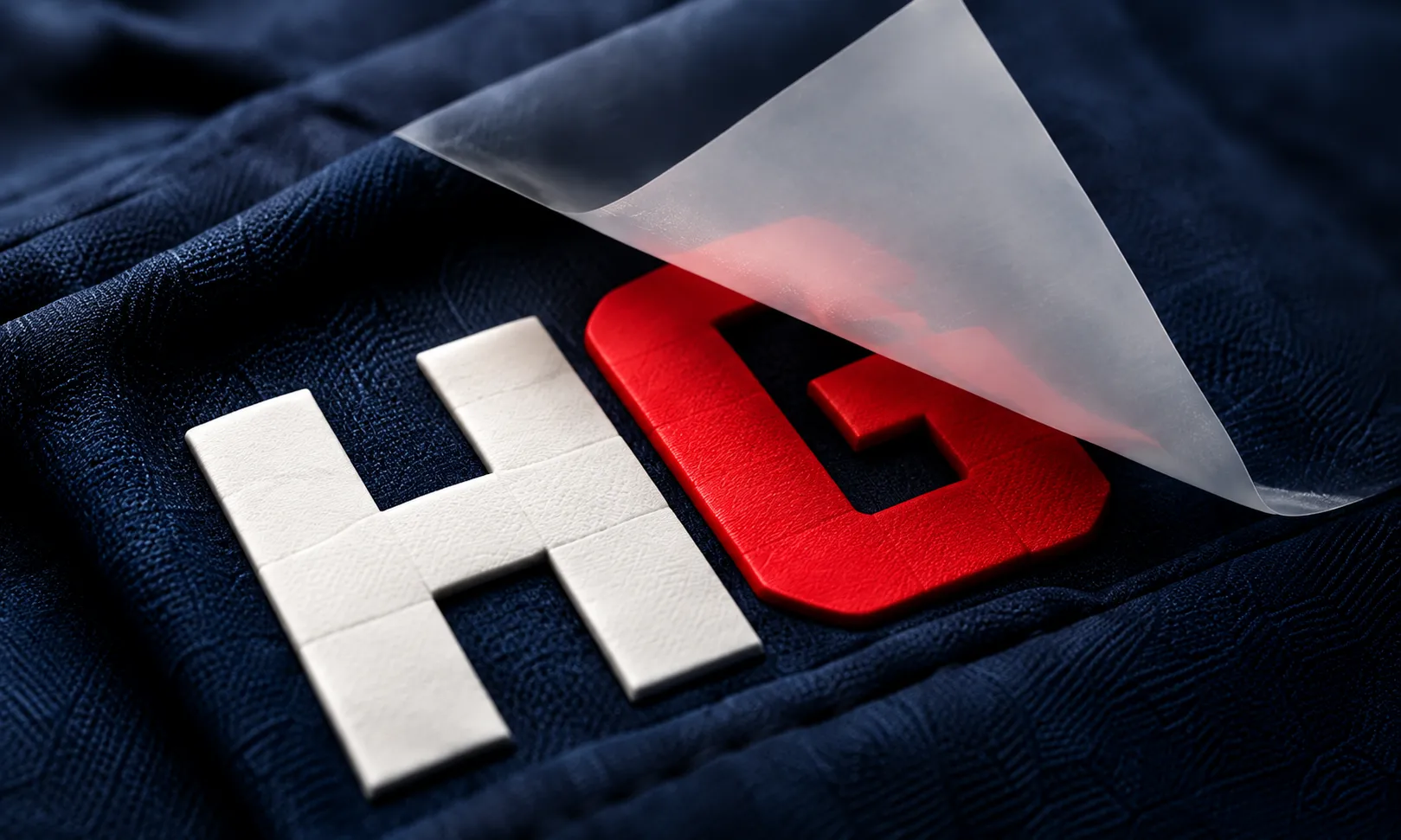
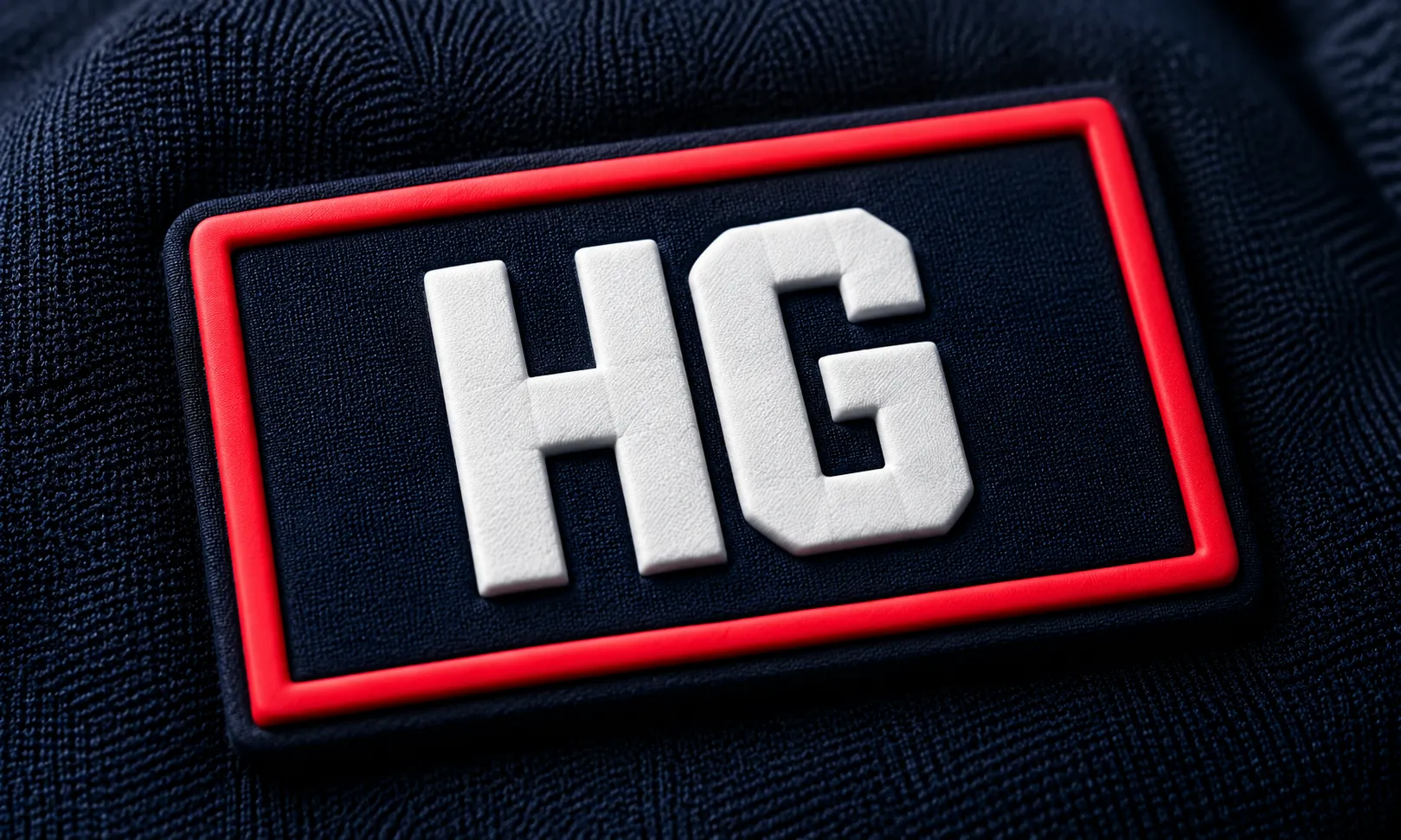
- Silicone Printing05
Produces a smooth, raised, rubber-like logo with a premium appearance.
- High-Density Printing06
Builds up ink to create raised graphics with defined edges and a textured finish.
 Reflective Printing07
Adds logos or details that reflect light, creating a distinctive appearance under direct illumination.
- Puff Printing08
Uses heat-activated ink to create a soft, raised effect. Best suited to selected garments and compatible fabrics.
- Embossing09
Creates a raised design through a suitable forming process, adding subtle texture and dimension
- Debossing10
Creates an indented design for a subtle branding effect. Suitability depends on the fabric and process
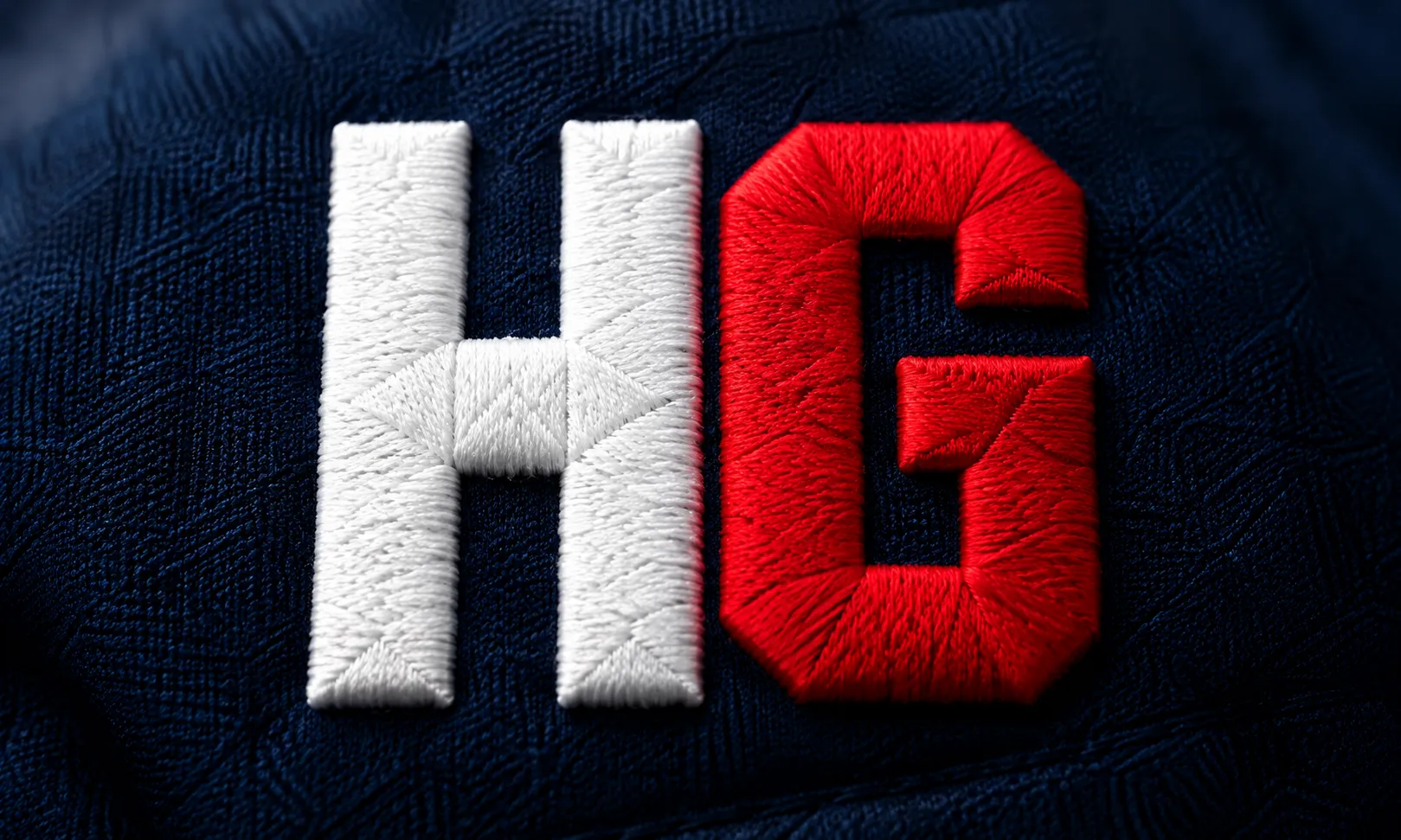
- Embroidery11
Uses stitched threads to create durable logos, particularly on jackets, hoodies and heavier garments.
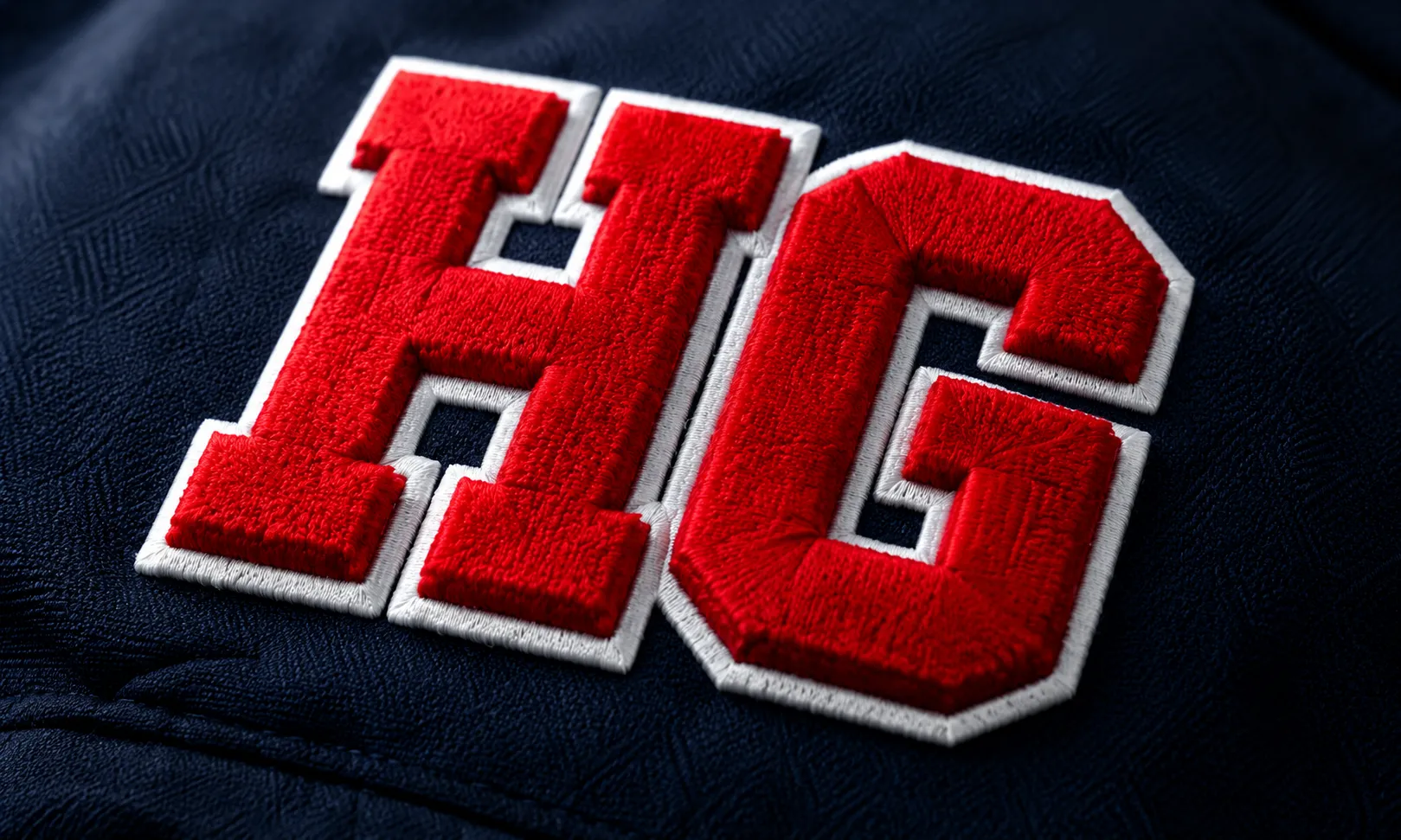
- 3D Puff Embroidery12
Uses foam beneath embroidery to create raised lettering or logos, commonly on caps and structured garments
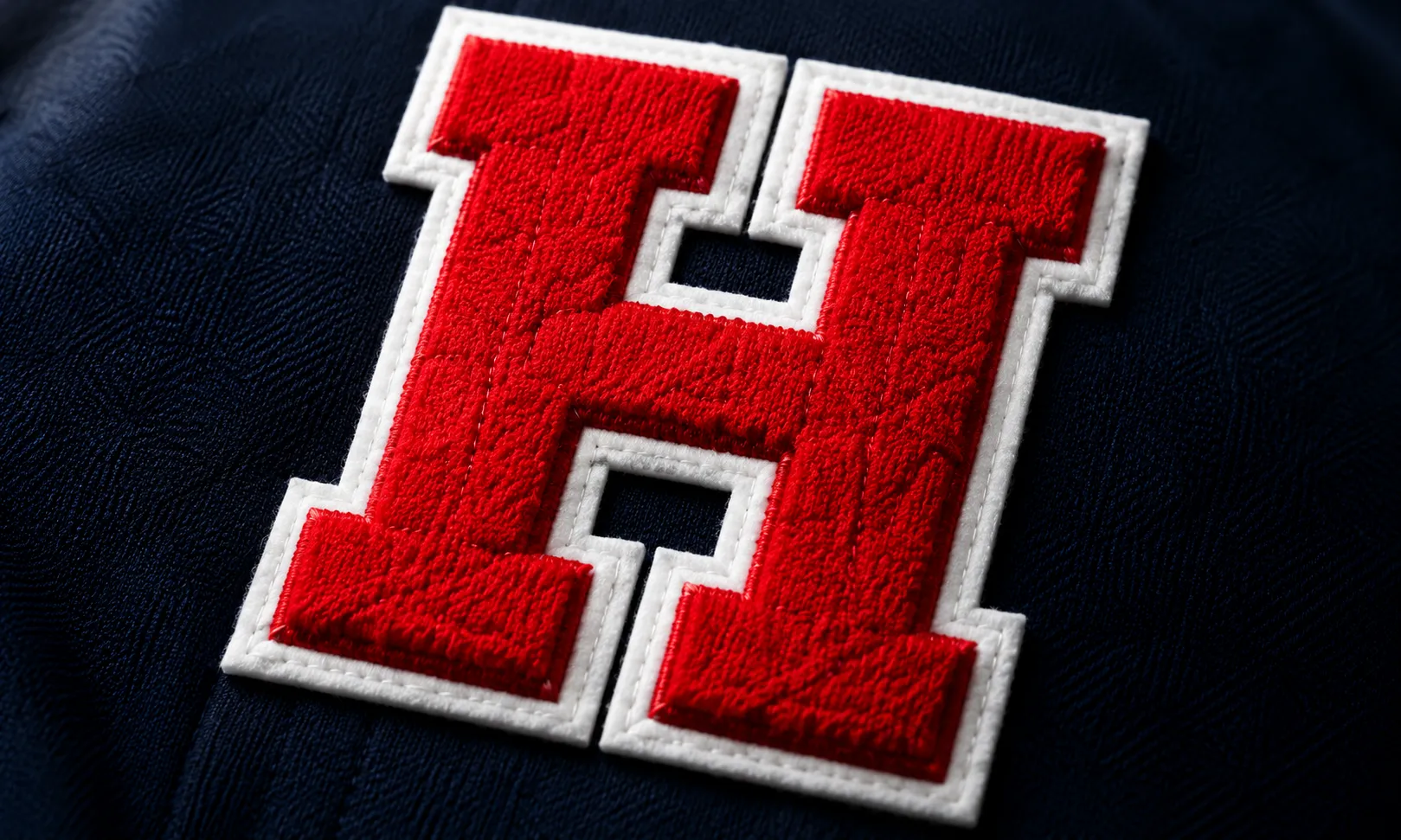
- Appliqué13
Attaches fabric shapes or lettering to garments for contrasting colours and textures.
- Woven Patches14
Add separately woven badges for team crests or brand logos, attached by stitching or a suitable heat-bonding method. Confirm placement, flexibility and backing during sampling.
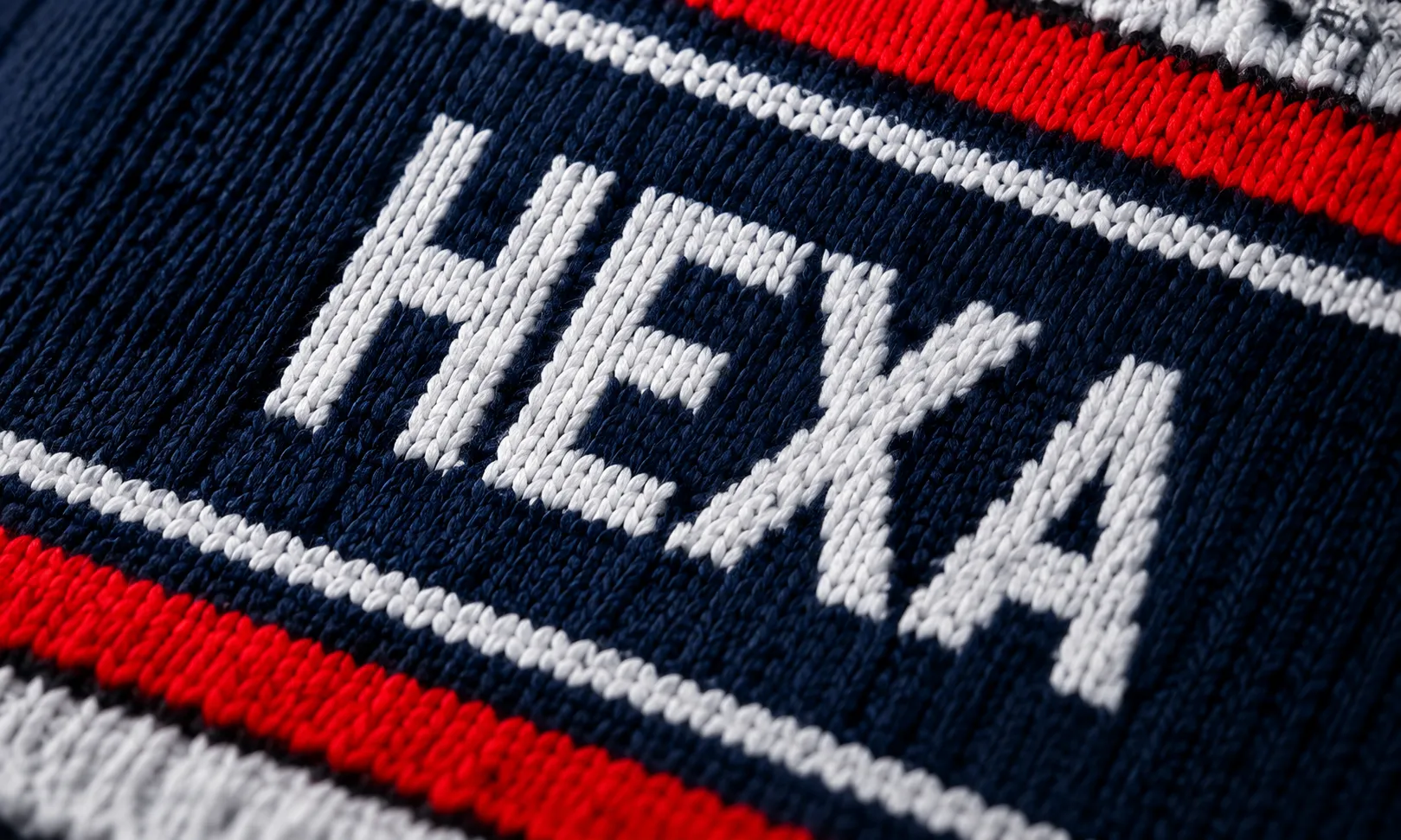
- Jacquard Knitting15
Integrates patterns or branding into the fabric during knitting, rather than applying a surface print.

Plan Your Next Bomber Jacket Collection
Plan your private label bomber jacket collection around your customers’ climate, retail launch dates and required warehouse arrival. Working backward from these dates helps allocate time for material sourcing, sample revisions, bulk production and shipping.

Spring / Summer Transitional Drops — Lightweight Layers:
Consider unpadded nylon or polyester shells, satin-weave fabrics, or lightweight cotton twill. A 140–180 GSM shell can be explored where your design needs more structure, while lighter fabrics may suit less substantial layers. Choose mesh or lightweight taffeta lining according to the intended ventilation, feel and finish.
Illustrative sampling window: November–January ahead of the intended spring/summer launch.

Fall / Back-to-Campus Collections — Midweight Outerwear:
Explore quilted bombers with 80–120 GSM polyester insulation as an initial design option. Corduroy, faux suede and fleece-panel or hooded variations can introduce different textures across the collection. Review the complete sample over the clothing your customers are likely to wear underneath.
Illustrative sampling window: March–May ahead of the intended fall launch.

Winter / Holiday Collections — Heavier Outerwear:
Discuss wool-melton or leather shells, sherpa-lined interiors, or heavier insulated constructions. For designs requiring substantial padding, 180–250 GSM polyester insulation can be considered during development. Allow additional planning time where specialist material sourcing, custom hardware, embroidery or multiple patches add production steps. Work backward from a warehouse arrival date that leaves time for receiving and order fulfillment before your holiday campaign.
Illustrative sampling window: May–July ahead of the intended winter or holiday launch.
Quality Checks for Your Bulk Bomber Jacket Order
Your approved sample and written specifications provide the reference for quality inspection. HexaGears supports quality inspection for custom bomber jacket orders, with the following details to address in your order’s checklist:

Fabric & Color Consistency
Compare the shell, lining and ribbing against approved swatches. Check for stains, surface defects and unintended shade differences between body panels and sleeves. Assess matching colors together under agreed lighting.
Measurements & Jacket Balance
Check finished measurements against the approved size chart and tolerances. With the zipper closed, compare front lengths, pocket positions, sleeve lengths and waistband alignment. Record results by size rather than checking only one sample size.
Stitching & Stress Points
Inspect seams for skipped stitches, loose thread, puckering and open sections. Check reinforcement around pocket openings and closure points. On satin and other smooth fabrics, look for yarn movement or gaps beside the stitching.
Zippers, Snaps & Rib Recovery
Operate closures repeatedly to check for jamming, misalignment or trapped lining. Check that snaps attach securely. Stretch and release cuffs and waistband to assess recovery, watching for distortion or broken joining stitches.
Lining & Padding Placement
Check that the lining does not twist, pull at the sleeves or hang below the hem. On padded jackets, inspect for uneven fill, gaps and shifting. Confirm that quilting or anchoring follows the approved construction.
Have Specific Testing Requirements?
Include requirements for pilling resistance, wash shrinkage, colorfastness, stretch recovery, or print durability in your initial brief. Test methods, acceptance criteria, availability, and costs should be agreed before production; these performance checks are separate from routine visual inspection.
What Affects Your Bomber Jacket Production Cost?
In custom cut-and-sew outerwear, there is no single flat price because every garment is built to order. When our costing engineers calculate your FOB or door-to-door quote, five main variables determine your per-unit cost:
A standard 100% polyester satin or flight nylon shell is highly cost-effective, whereas heavyweight 600 GSM wool melton, genuine lambskin leather, or custom-dyed waterproof fabrics increase raw material cost.
Unpadded spring bombers require less material and labor than winter bombers with 200 GSM thermal wadding and intricate diamond-quilted linings.
Ordering 100 to 500+ units significantly lowers your per-jacket price compared to a 30-piece starter run because fabric mill minimums, pattern setup, and cutting costs are spread across more garments.
A clean minimalist bomber with a small chest logo costs less to produce than a souvenir or streetwear jacket featuring full-back 50,000-stitch embroidery, multiple chenille patches, and custom sublimated lining.
Standard stock metal zippers are economical, while custom mold-cast logo zipper pullers, genuine YKK® Excella zippers, and custom yarn-dyed striped ribbing add minor setup costs at lower quantities.
Custom packaging, carton volume, shipment weight, destination and freight method influence the total order cost. Confirm whether shipping is included or quoted separately.
Why Choose HexaGears as Your Manufacturing Partner?
HexaGears is a B2B manufacturer in Sialkot, Pakistan, supporting clothing brands, startups and wholesale buyers with product development, sampling and bulk production.
100% Direct In-House Cut-and-Sew Facility:
No trading companies or hidden subcontractors. Pattern making, cutting, embroidery, stitching, and QC happen under our roof in Sialkot, Pakistan.
Dedicated English-Speaking Merchandisers:
Assess fabric feel, waistband comfort, sizing, stitching, and branding before approving your order for production. Sample development gives your team an opportunity to identify adjustments while changes can still be incorporated into the agreed product specifications.
ISO 9001 Certified Manufacturing
Our ISO 9001-certified manufacturing and quality-inspection support provide a foundation for quality-focused production. Your approved specifications guide the order, and our free-remake policy for manufacturing defects provides a clear point of accountability.

Brand-Friendly MOQs Starting at 20 Pieces:
Launch new silhouettes or multiple colorways without locking tens of thousands of dollars into untested inventory.
Strict IP & Brand Confidentiality
Your tech packs, custom patterns, and private label designs are never shared or reused. We gladly sign Non-Disclosure Agreements (NDAs) prior to sampling.
Support for International B2B Orders
Work with a Pakistan-based manufacturing partner serving international brands, retailers, and distributors. We support worldwide shipping coordination, with production timing, packaging, delivery arrangements, and responsibilities discussed around your order requirements.
Hexa Gears vs. Marketplace Sourcing
If you are exploring clothing sourcing from Pakistan, working with a direct clothing manufacturer in Pakistan removes the middle layer between your brand and the factory.

|
What matters |
Direct With Hexa Gears |
Through a Partner |
|---|---|---|
|
Supplier Relationship |
Work with a manufacturing partner based in Sialkot, Pakistan. |
Listings may come from factories, trading companies, or resellers; verify the seller’s role. |
|
Sample-to-Bulk Consistency |
Locked fabric GSM, dye lot, and sealed Golden Sample across every repeat order. |
High risk of “bait-and-switch” (good sample, thin fabric and cheap zippers in bulk). |
|
Pattern & Fit Control |
Custom CAD pattern grading tailored to your brand’s exact size chart. |
Generic off-the-shelf Asian sizing that often runs 2 sizes too small for US/EU buyers. |
|
Zipper & Rib-Knit Quality |
Tension-calibrated stitching (no wavy zippers) + high-recovery spandex rib-knit. |
Cheap zippers that snag linings and loose acrylic cuffs that stretch out immediately. |
|
Pricing Structure |
Transparent factory-direct unit pricing with zero middleman commission. |
Hidden agent markups of 20%–40% plus surprise platform transaction fees. |
|
Issue Resolution |
Discuss manufacturing issues directly, with a free-remake policy for manufacturing defects under agreed terms. |
Supplier remedies and platform dispute options depend on the seller, platform, and transaction terms. |
Sourcing partner services vary. Confirm responsibilities, costs, and approval procedures before placing an order.
WHO WE MANUFACTURE FOR
B2B Bomber Jacket Supply for Brands and Businesses
Every style is available as custom-designed bomber jackets in small batch quantities or as wholesale bomber jackets for bulk clothing production.

GLOBAL REACH
Custom Apparel Exporter From Sialkot, Pakistan
Hexa Gears is a clothing manufacturer in Pakistan and an established sportswear B2B exporter from Pakistan. As an international clothing supplier, we support brands sourcing clothing from Pakistan with bulk clothing production and direct shipping from Sialkot. We work as a custom sportswear supplier for US brands, a wholesale gym wear supplier for UK businesses and a private label activewear supplier for Australian brands, as well as clubs and distributors in Canada, the Gulf and Europe.






NETHERLANDS

SAUDI ARABIA

IRELAND
WORLDWIDE
Custom Bomber Jackets Buyer Requests
Explore example requirements for private label bomber jackets and bulk orders, from streetwear proportions and seasonal materials to branding and wholesale assortments.
Illustrative project briefs — placeholders for future customer testimonials.
An Oversized Fit with Purpose
A streetwear brief may combine a wider body, fuller sleeves and a shorter hem. Reviewing these proportions together helps establish the intended silhouette. Simply choosing a larger standard size can also add unwanted body or sleeve length.
A Lighter Seasonal Layer
A spring collection may call for an unpadded bomber with minimal bulk. The brief should identify the shell, whether a lining is needed, and the clothing worn underneath. Reviewing the complete sample helps assess drape and ease of layering.
Padding Matched to the Design
A cold-season brief needs shell, lining and insulation specifications recorded separately. The sample can show how padding changes the jacket’s volume and room for movement. Insulation weight alone does not establish the finished garment’s warmth.
Brand Details That Work Together
A private label collection may coordinate rib colors, lining shades, logo placement and labels. Define artwork size and application before sampling so the decoration can be assessed on the selected shell, alongside the jacket’s other branded details.
A Clearly Defined Wholesale Order
A distributor’s brief should pair an approved size chart with quantities for each style, color and size. Agreed garment labels, packing instructions and carton identification help define how the bulk bomber jacket order needs to arrive at the warehouse.
A Focused First Collection
A new label may start with a focused bomber jacket range before expanding its assortment. HexaGears offers MOQ starting from 20 pieces, with the proposed design, materials and style, color and size breakdown confirmed during quotation.
Let’s Develop Your Bomber Jacket Collection
Share your design references, target season, size range and estimated quantities with HexaGears to discuss your custom bomber jacket manufacturing project.
Bomber Jacket Manufacturing FAQs
Custom Bomber Jacket Manufacturing FAQs
LET’S BUILD YOUR NEXT COLLECTION
Start Your Custom Bomber Jacket Project with Hexa Gears
Share your design references, preferred materials, size range and order quantity with Hexa Gears. Include your delivery destination and required arrival date so we can assess your private label or bulk manufacturing requirements and prepare a quotation for your project.