
Custom Puffer Jacket Manufacturer for Clothing Brands
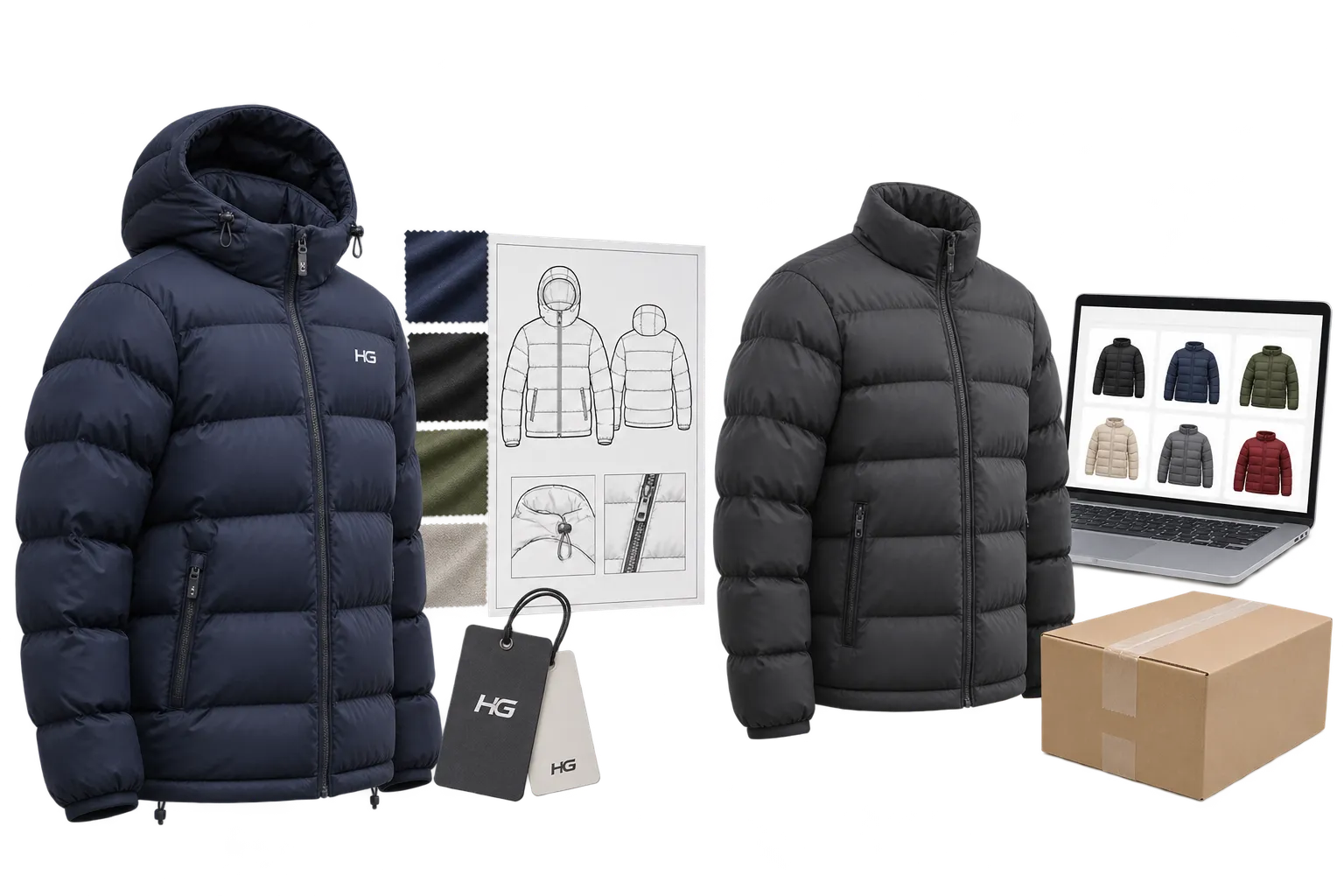
Hexa Gears is a custom puffer jacket manufacturer and B2B supplier in Sialkot, Pakistan. We produce private label and OEM custom puffer jackets and vests with down or synthetic fill for clothing brands, retailers and buyers of wholesale puffer jackets, from low MOQ small batch runs to bulk orders.
WHOLESALE PUFFER JACKETS FOR YOUR NEXT COLLECTION
Wholesale Puffer Jackets: Styles for Your Brand
Choose your puffer range by silhouette, fill and finish. Styles can combine; a cropped puffer may also use a glossy shell or a detachable hood. Looking for a rib-trimmed padded jacket instead? See our bomber jacket range. Use the styles below to set your collection’s direction before confirming fill and fabric specifications.
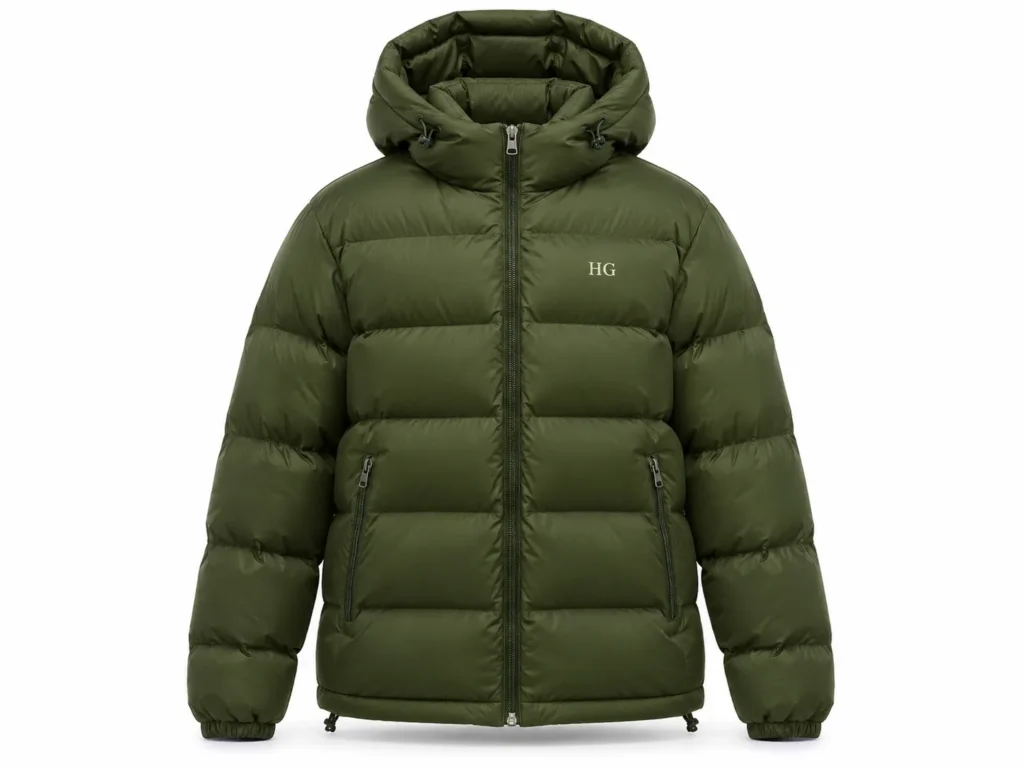
Classic Hooded Puffer Jackets
The core winter style: hip-length body, horizontal baffles, an insulated hood and zip hand-warmer pockets. A dependable best-seller for outerwear brands, with fill weight and hood design deciding how warm and protective it feels.
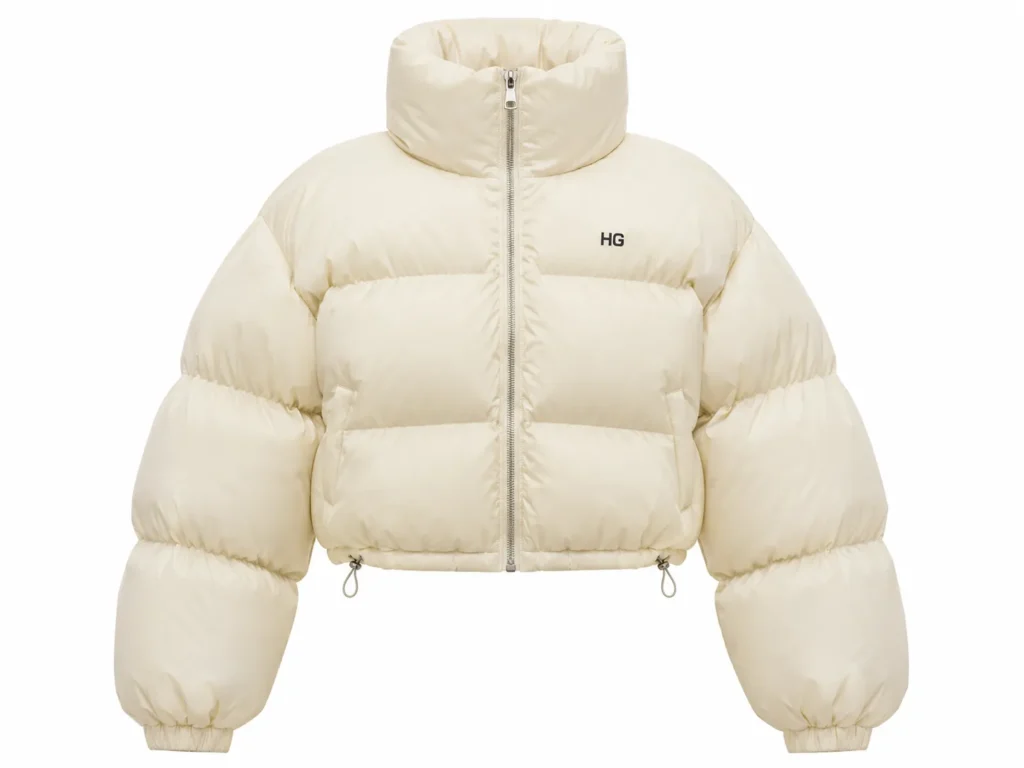
Cropped Puffer Jackets
A short body that finishes at or above the waist, often with wider baffles for a bold, puffy look. Popular in women’s and streetwear collections; define the hem position and sleeve volume together so the proportions stay balanced.
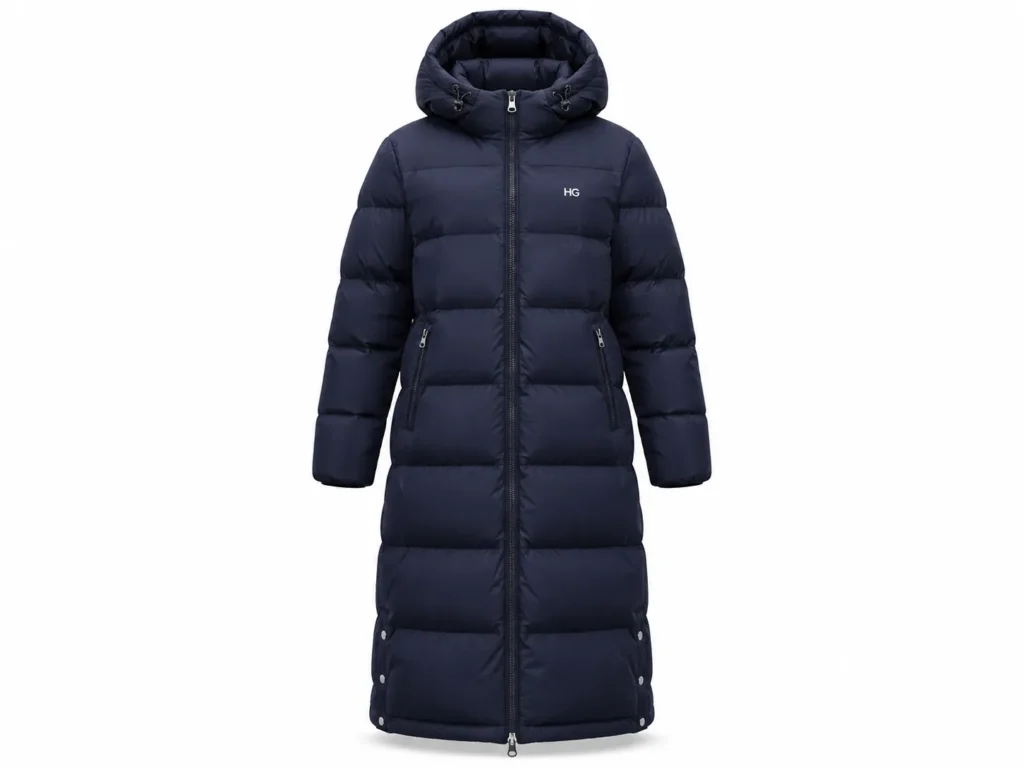
Longline Puffer Coats
Knee- or mid-thigh-length puffers for maximum coverage in cold climates. Specify two-way zippers and side vents or splits so wearers can walk and sit comfortably, and plan fill distribution across the longer body.
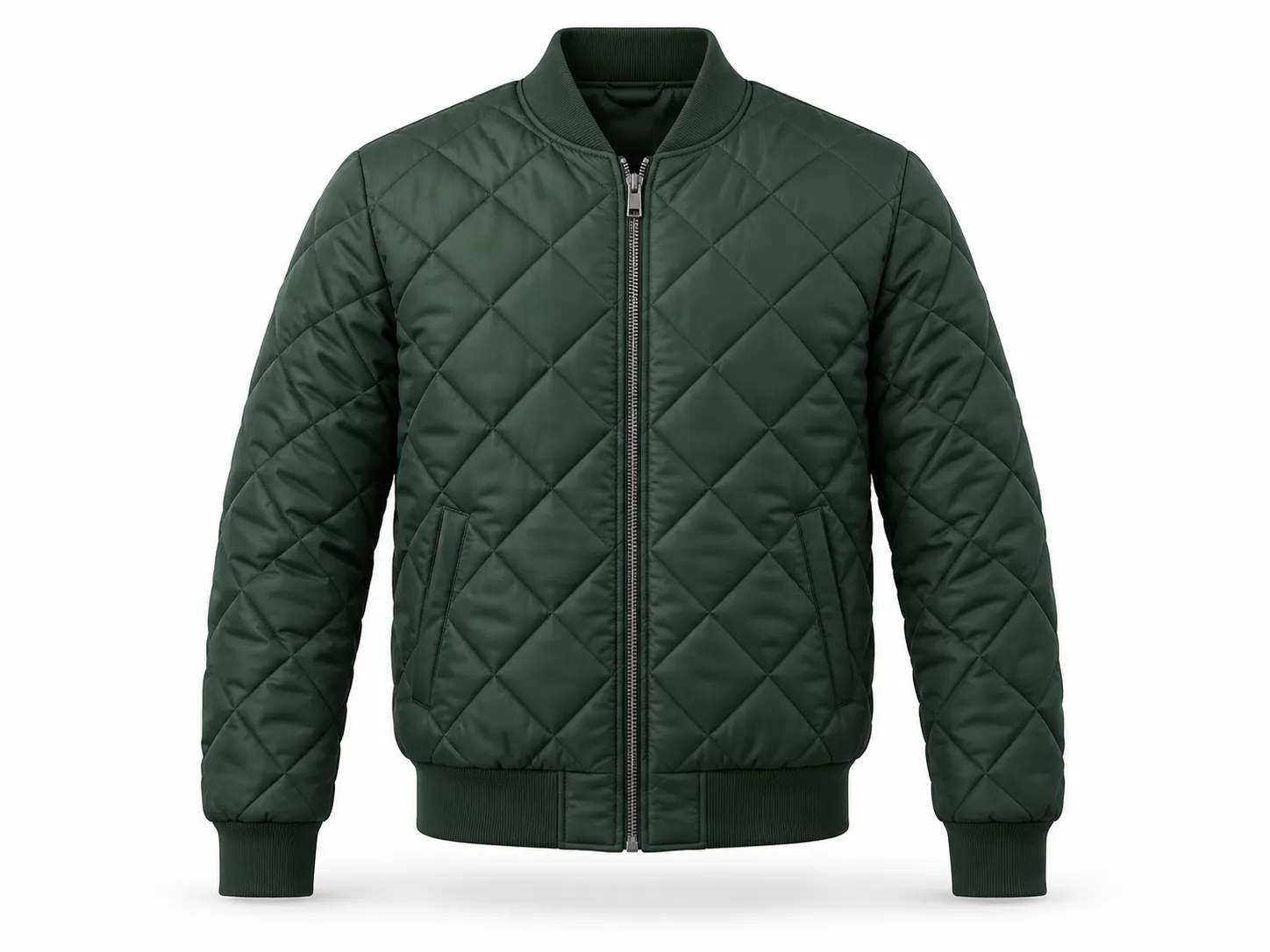
Puffer Vests & Gilets
Sleeveless puffers for layering, travel and corporate gifting. Vests need less fill and fabric than jackets, which lowers the unit cost and makes them a strong entry product for new brands and custom logo programs.
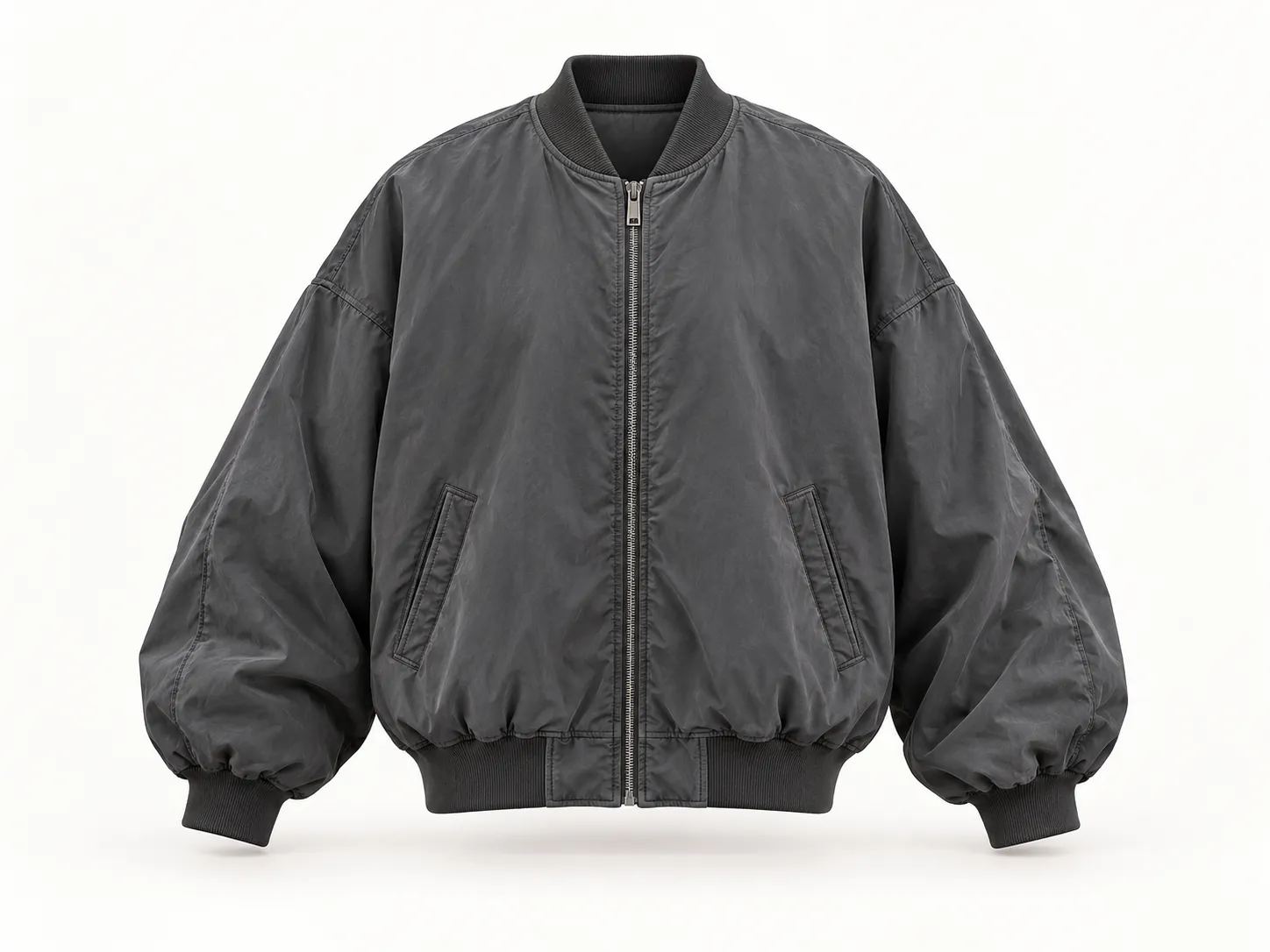
Lightweight Packable Puffers
Thin shells and low fill weights let the jacket pack into its own pocket or a stuff sack. Suited to travel and transitional collections; confirm the packed size target early because shell denier and fill type control it.
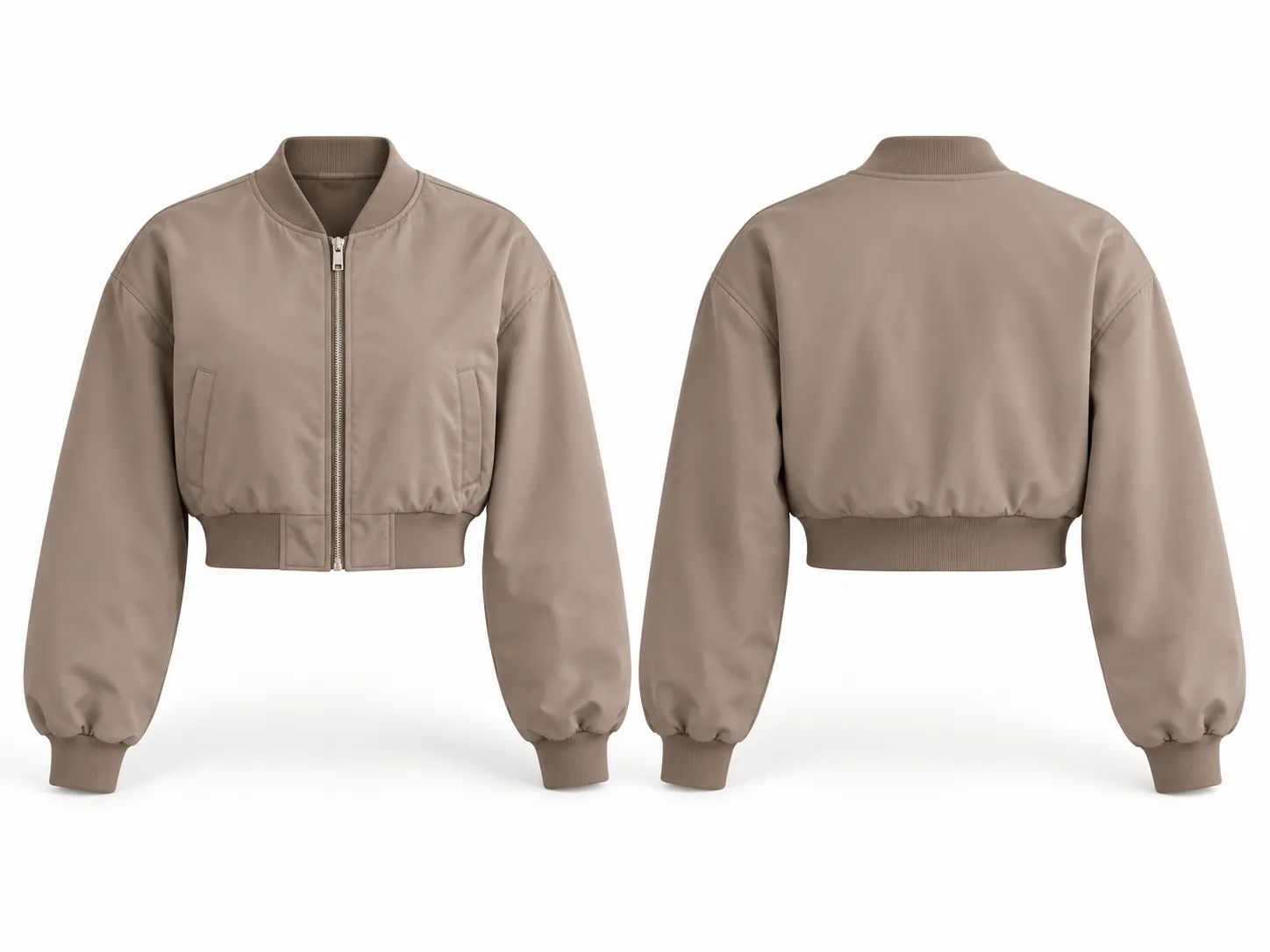
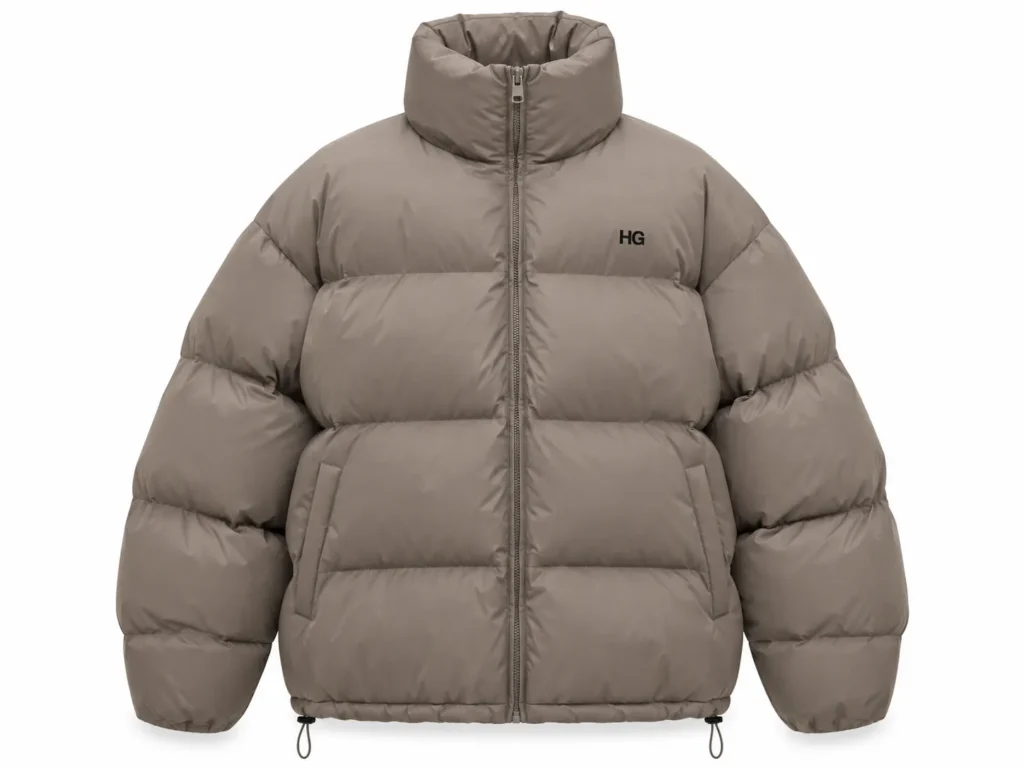
Oversized Streetwear Puffers
Dropped shoulders, a wide body and extra-thick baffles create the exaggerated volume streetwear customers look for. Define body width, sleeve drop and baffle height together so the jacket looks intentional, not simply too big.
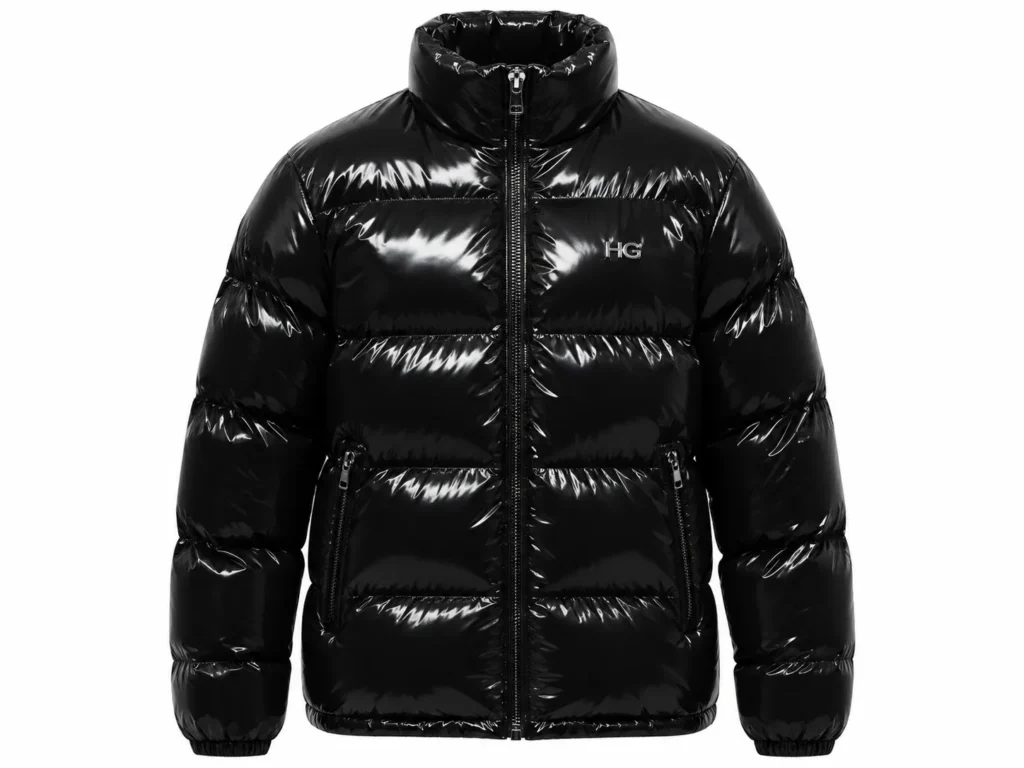
Glossy Wet-Look Puffer Jackets
A high-shine cire or metallic-finish shell makes every baffle catch the light. Glossy fabrics show stitching and fill irregularities more clearly, so sampling requires extra attention to quilting accuracy and fill consistency.
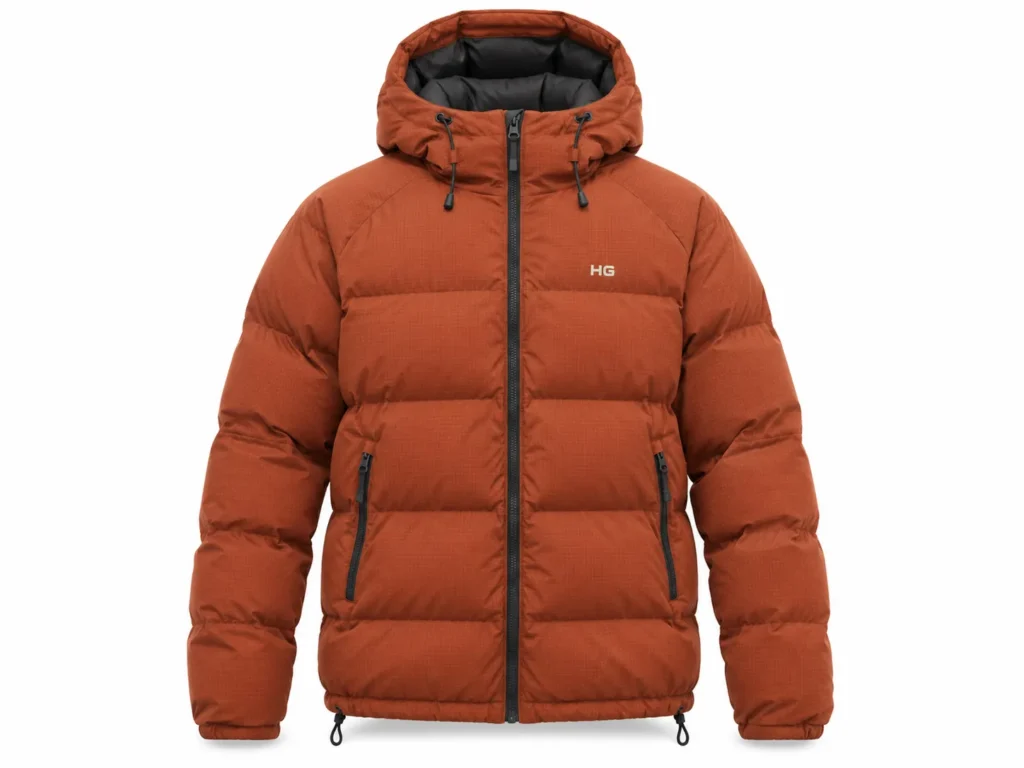
Matte Ripstop Puffer Jackets
A low-sheen nylon or polyester ripstop shell gives a technical, outdoor-inspired look. The ripstop grid helps limit small tears from spreading; it does not make the jacket waterproof, so specify any water-repellent finish separately.
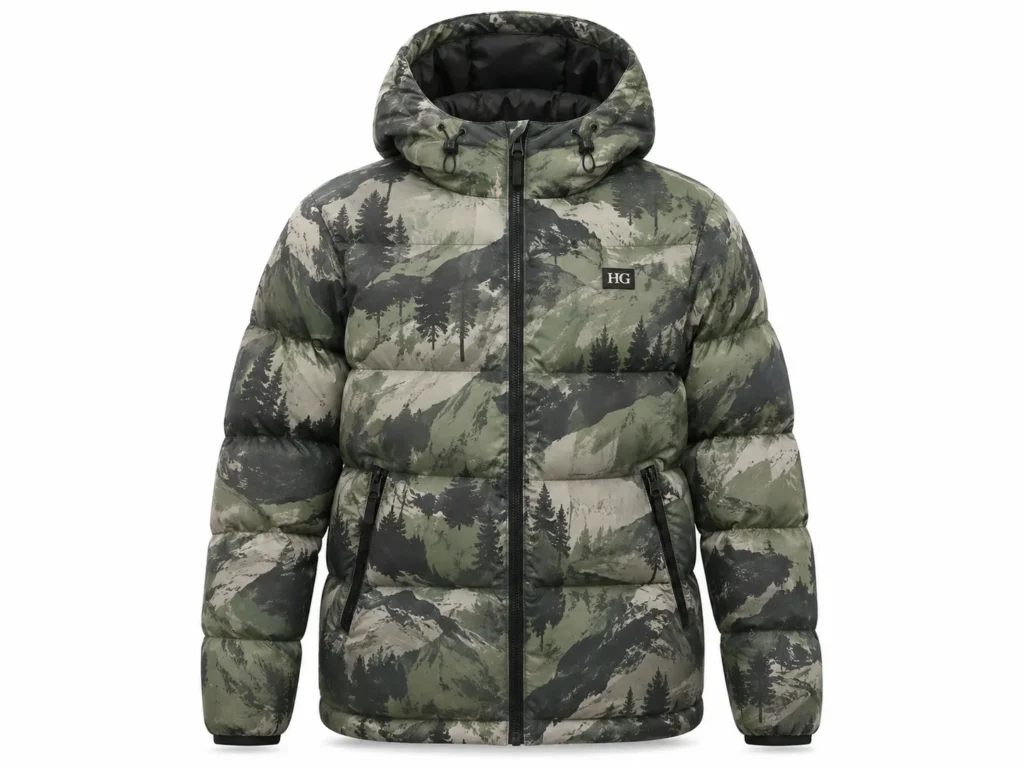
Printed Puffer Jackets
All-over prints such as camo, leopard or brand graphics turn the puffer into a statement piece. Fabric panels are printed before cutting and quilting, so the artwork repeat and baffle lines must be planned together on the tech pack.
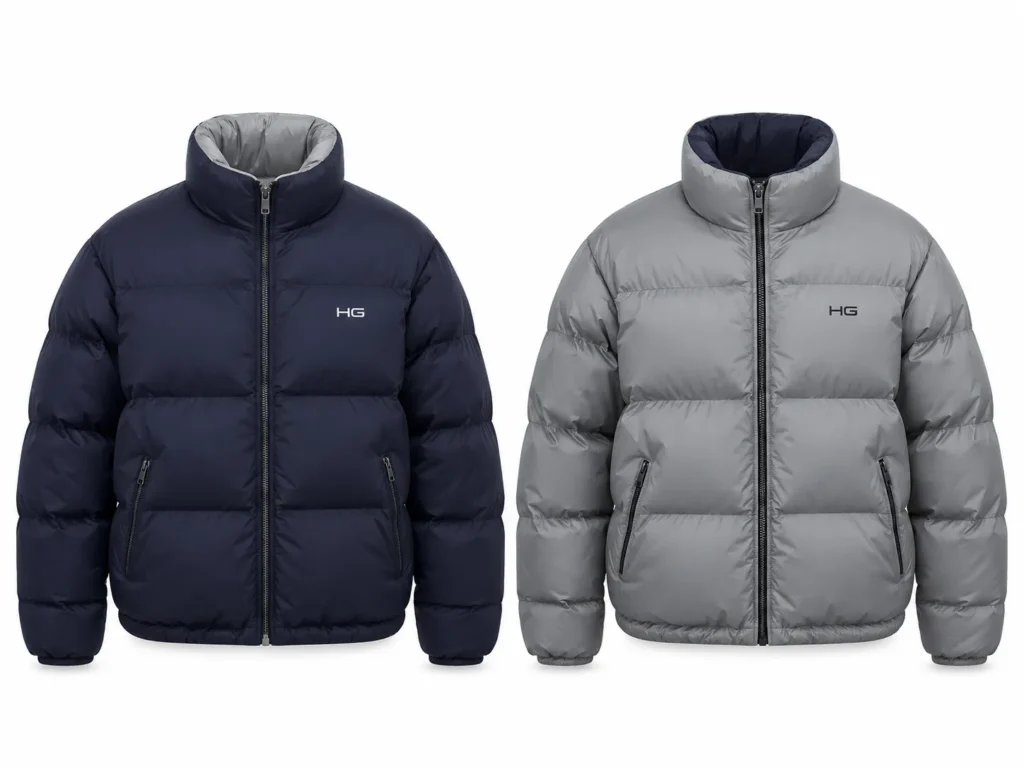
Reversible Puffer Jackets
Two wearable faces, such as solid and printed or matte and glossy, in one jacket. Both sides need finished pockets, a reversible zipper puller, and down-proof fabric on each face when down fill is used.
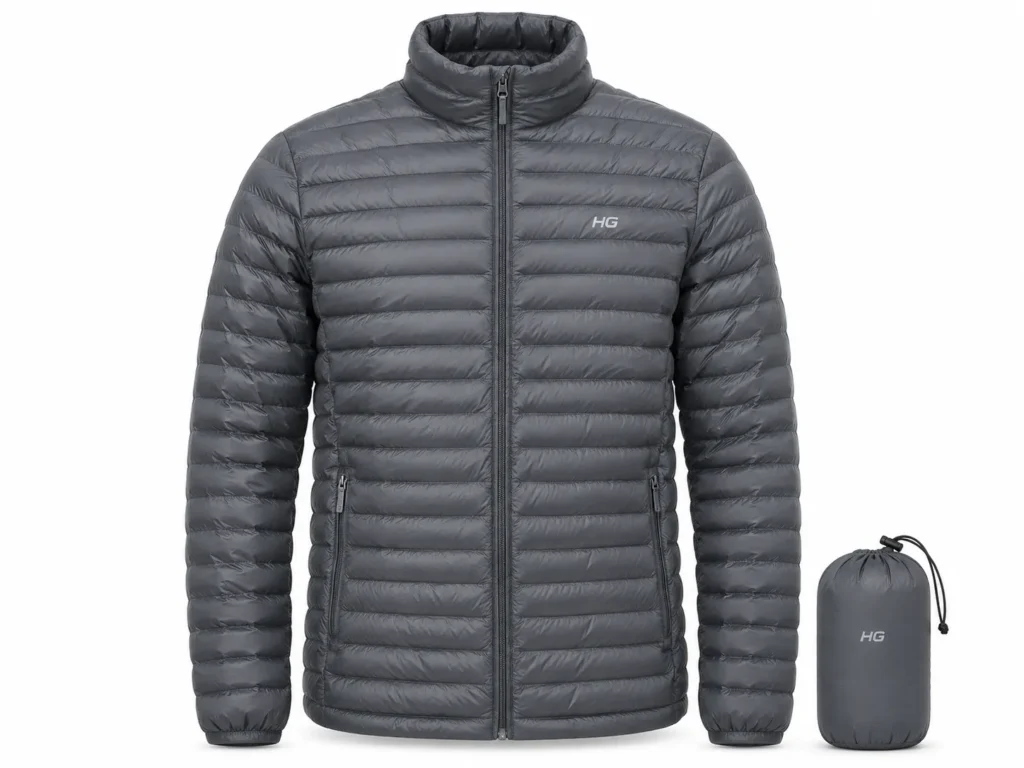
Down-Filled Puffer Jackets
Duck or goose down gives the highest warmth for its weight and packs down small. Specify the down-to-feather ratio, fill power and fill weight per size, plus any certification your brand requires, such as RDS.
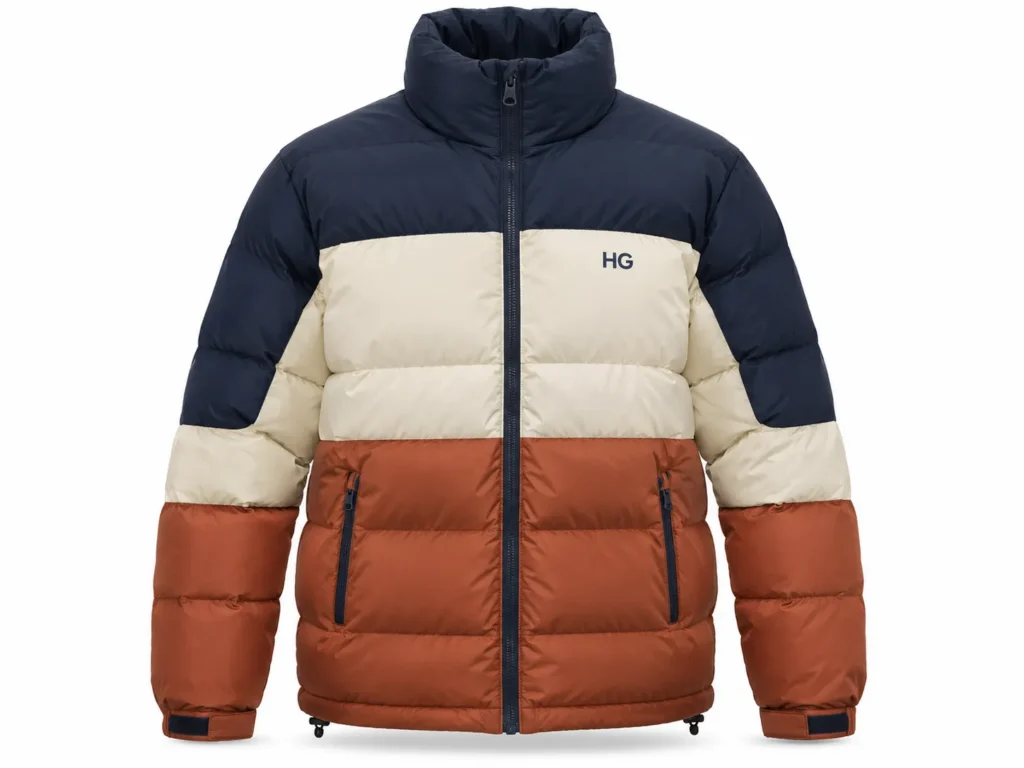
Color-Block Puffer Jackets
Contrasting panels across the body, yoke and sleeves create retro and sport-inspired looks. Panel seams interact with baffle lines, so color placement and quilting layout are designed as one pattern.
YOUR B2B MANUFACTURING PARTNER
Your Puffer Jacket Manufacturing Partner in Sialkot, Pakistan
Hexa Gears is a B2B apparel manufacturer helping startups, established clothing brands and wholesale businesses build insulated outerwear lines. We support buyers with design assistance, fill and fabric selection, sampling and bulk production from our factory in Sialkot, Pakistan.
Puffers are technical garments: the shell, lining, fill and stitching all affect warmth, weight and price. We look at the business side of your project first, including your selling market and climate, target unit cost, order quantity and launch date, then recommend a fill and fabric combination that fits that budget. Whether this is your first outerwear drop or an addition to an established range, you see the trade-offs before specifications are finalized.
Inside a Custom Puffer Jacket: Key Components
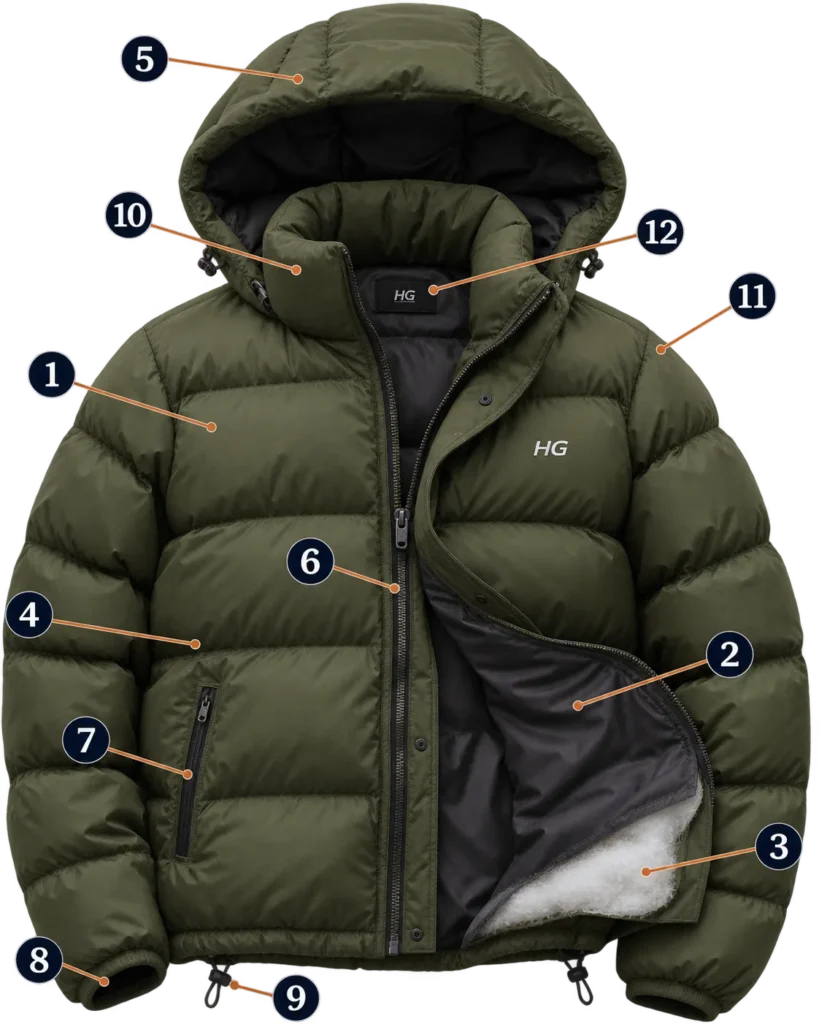
A puffer jacket’s warmth comes from trapped air held in stitched chambers, so buyers who inspect samples look beyond the outer shape. Twelve components decide whether the jacket lofts evenly, stays warm and holds its fill. A weak link, such as the wrong lining or loose stitching, shows up quickly as cold spots or leaking fill.
Puffer Jacket Fabric Options and Fill Materials
The shell, lining and fill you choose decide how your puffer looks, how warm it feels and where it sits on price. As a custom puffer jacket manufacturer offering B2B production with custom fabrics and fill, we help you compare shell finishes, down-proof linings and insulation options against the complaints that hurt puffer reviews: leaking feathers, flat spots, crinkly noise and a jacket that is not as warm as it looks.
Custom Puffer Jacket Size Chart and Measurement Guide
Whether you sell in North America, Europe, the UK or Asia, consistent sizing reduces returns when ordering wholesale puffer jackets. Submit your own graded spec sheet with your tech pack, or use the reference unisex regular-fit chart below as a starting point.
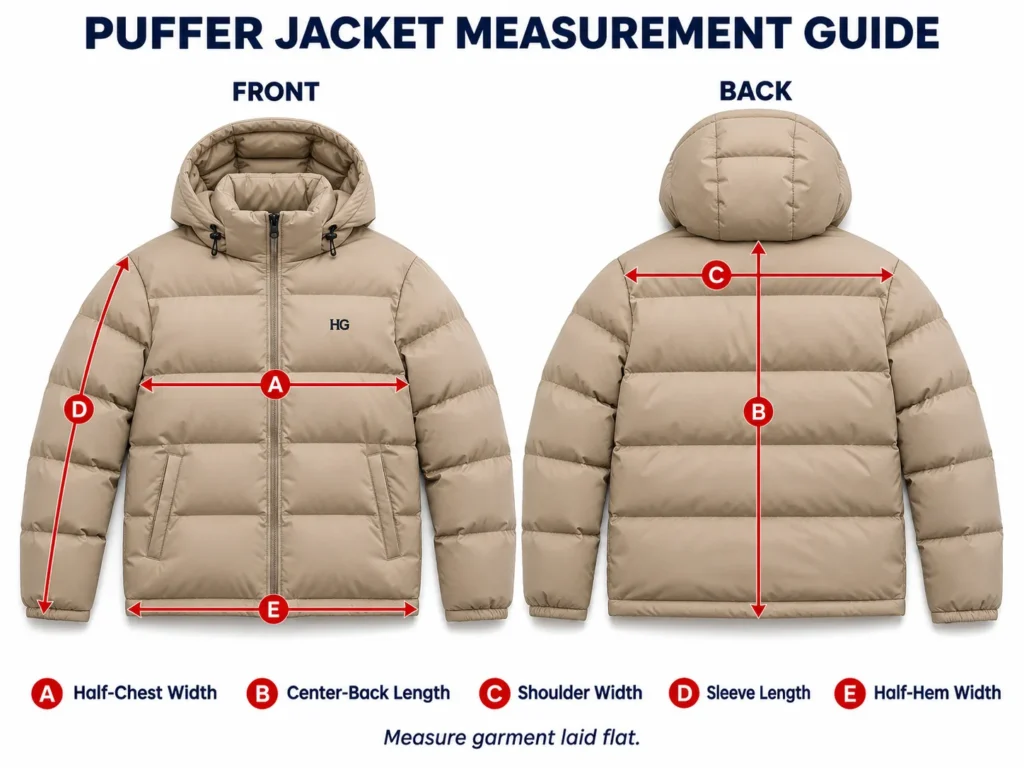
Reference Unisex Regular-Fit Hooded Puffer Jacket Size Chart (Inches)
|
Measurement Point (POM) |
XS |
S |
M |
L |
|---|---|---|---|---|
|
A. Half-Chest Width |
22.0″ |
23.0″ |
24.0″ |
25.0″ |
|
B. Center Back Length |
26.5″ |
27.25″ |
28.0″ |
28.75″ |
|
aC. Shoulder-to-Shoulder Width |
18.0″ |
18.75″ |
19.5″ |
20.25″ |
|
D. Sleeve Length |
25.0″ |
25.5″ |
26.0″ |
26.5″ |
|
E. Half-Hem Width |
21.5″ |
22.5″ |
23.5″ |
24.5″ |
How to Measure Your Custom Puffer Jacket
Shake the jacket, let the fill recover for a few hours, close the zipper and lay it flat without pressing the baffles down.
Chest width: Measure straight across the chest 1 inch below the armholes. This is a half-chest measurement: a 24-inch flat width is about 48 inches around the jacket, and the fill takes up part of that space inside.
Body length: Measure down the center back from the collar seam to the bottom edge of the hem. Exclude the collar and hood.
Sleeve length: Measure from the shoulder seam along the sleeve to the end of the cuff, keeping the sleeve flat without compressing the fill.
Sizing Details to Confirm for Your Collection
Measure after the fill has lofted.
A puffer that has been packed or vacuum-compressed measures smaller until the fill recovers. Agree on a recovery time before measuring samples and bulk production so results are comparable.
Allow room for the layers underneath.
Fill takes up space inside the jacket, so a puffer needs more ease than an unpadded jacket of the same size label. Try the sample over the sweater or hoodie your customers are likely to wear.
Specify the silhouette with each size chart.
Cropped, regular, longline and oversized puffers need separate measurement specifications. A size M cropped jacket should never be graded from a longline pattern.
Record cuff and hem openings separately.
List relaxed elastic cuff and hem widths in the specification, and note the stretched measurement separately so the two values are not confused during inspection.
Size Grading and Production Tolerances
Grading sets how each measurement increases between sizes. Chest, body length, shoulder, sleeve and hood dimensions need defined increments suited to the approved puffer design.
Tolerance is the permitted variation around each target measurement. Quilted, filled panels can measure slightly differently from flat garments, so agree tolerances by measuring point and confirm they stay smaller than the grading steps between neighboring sizes.
Keep the approved measurements, measuring method and revision date together as the sizing reference for your bulk order.
Puffer Jacket Construction & Stitching Details
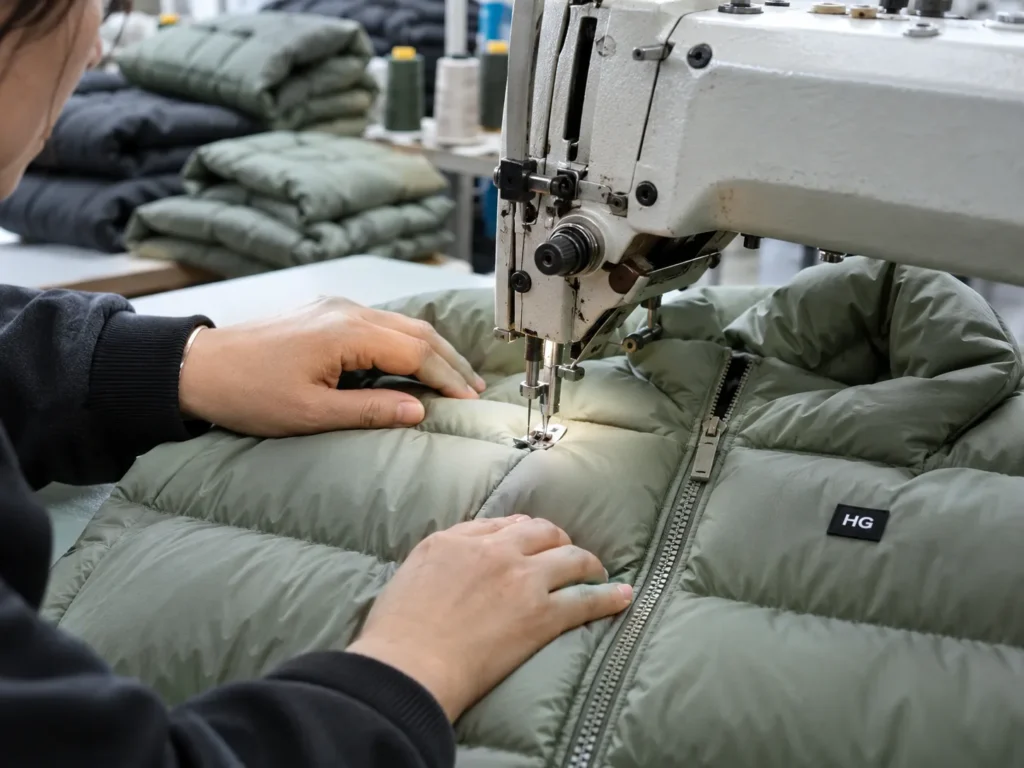
Two puffers can use the same fill weight on paper yet look and perform very differently. The difference comes down to baffle layout, filling accuracy and stitch control. When sourcing custom puffer jackets in bulk, these production details decide whether your jacket looks evenly puffed and stays warm, or develops flat, cold spots after a few weeks of wear.
Panel Cutting & Quilting Line Marking
Shell and lining panels are cut with notches and quilting lines marked so baffles meet at the side seams and across the zipper. Matching baffle lines on both front panels is a visible quality signal buyers notice immediately.
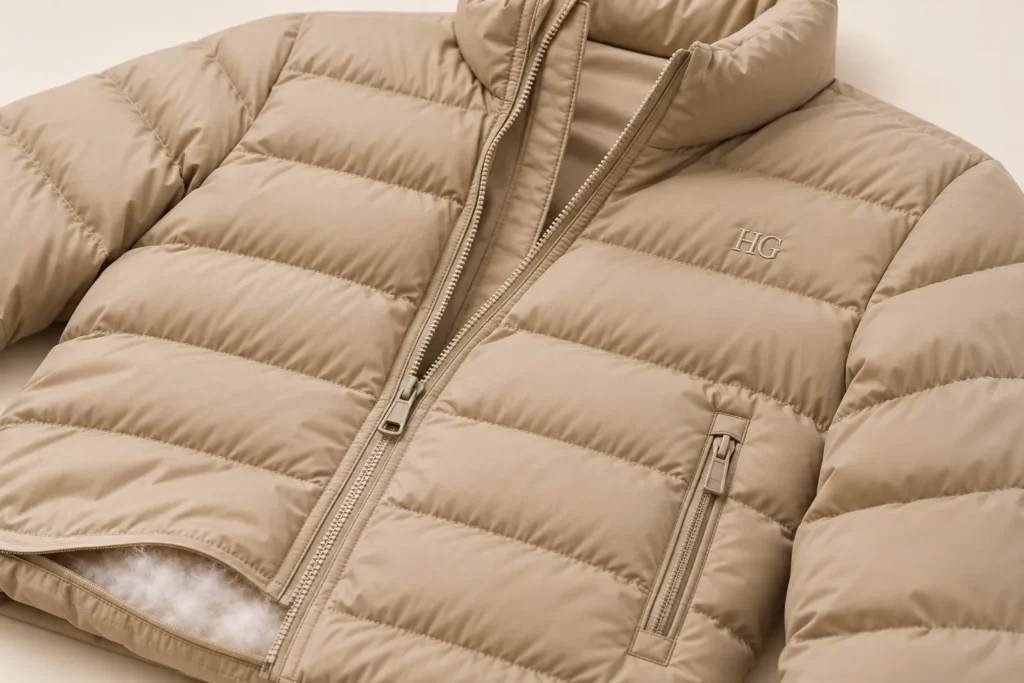
Fill Distribution & Chamber Filling
Down and loose clusters are blown into each chamber by measured weight, while synthetic wadding is cut to the panel shape. Recording fill weight per chamber and per size keeps every jacket in a bulk order equally warm and equally puffy.
Baffle Stitching & Leakage Control
Quilting lines are sewn with stitch length, needle size and thread matched to the shell, so seams hold without opening large holes. Straight, evenly spaced baffle lines matter even more on glossy fabrics, where wavy stitching is easy to see.
Zipper, Storm Flap & Hood Attachment
The front zipper must sit flat over thick, filled panels without waving. Storm flaps and chin guards are aligned so they cover the teeth cleanly, and detachable hoods are fitted so zippers or snaps line up across sizes.
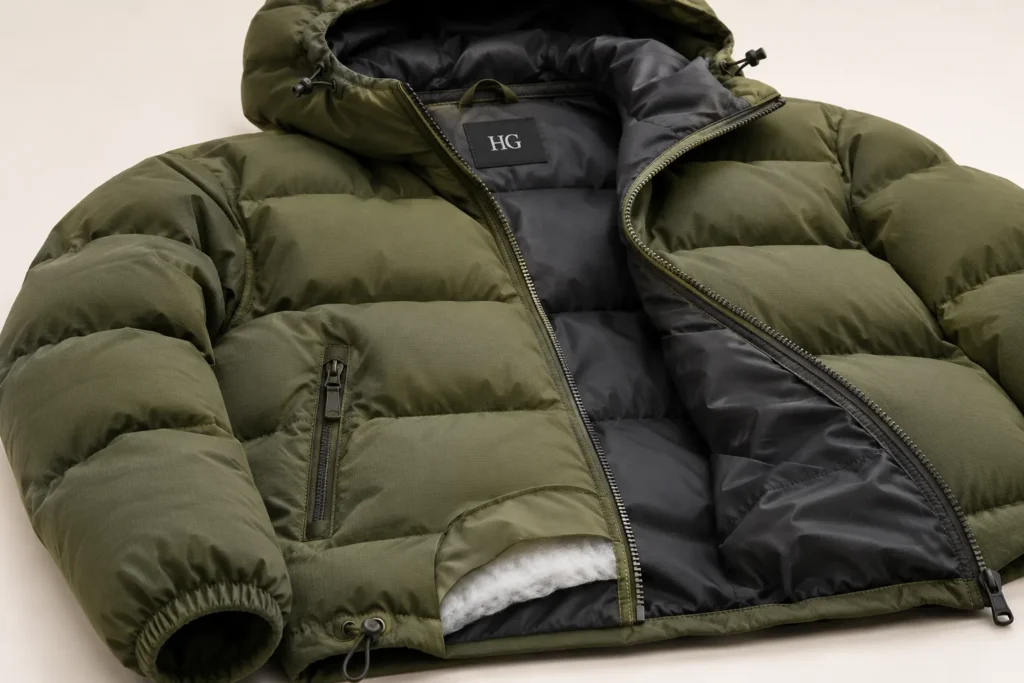
Lining, Shell & Fill Assembly
Shell, fill and lining are joined so no layer pulls or twists. The lining needs enough length to allow movement without dragging the shell, and seam allowances are kept tidy to avoid lumps where several filled layers meet.
Cuffs, Hem & Pocket Reinforcement
Elastic cuffs and hems are attached with even tension so they gather uniformly. Pocket openings, zipper ends and hood attachment points face repeated strain, so they receive bar tacks or reinforcement suited to the lightweight shell fabric.
Puffer Jacket Fit: What to Check Before Bulk Production
A puffer can match its size chart and still fit poorly, because fill reduces the room inside. For custom puffer jacket orders, review how chest room, sleeves, hood and hem work together with the fill installed.
Chest Room Over Layers
Check that the jacket zips comfortably over a sweater or hoodie without pulling across the chest or compressing the front baffles. Adding chest width alone can make shoulders too wide, so review shoulder position separately.
Hem Position & Draft Seal
Decide whether the puffer ends at the waist, hip or thigh. The hem should close in enough to block cold air without riding up when the wearer moves. Check the relaxed and stretched width of elastic or drawcord hems.
Arm Movement Without Lifting the Hem
Ask the fit wearer to reach forward and raise both arms with the jacket zipped. If the whole jacket lifts or the back pulls tight, the armhole, sleeve shape or sleeve fill may need changing, rather than simply making the jacket bigger.
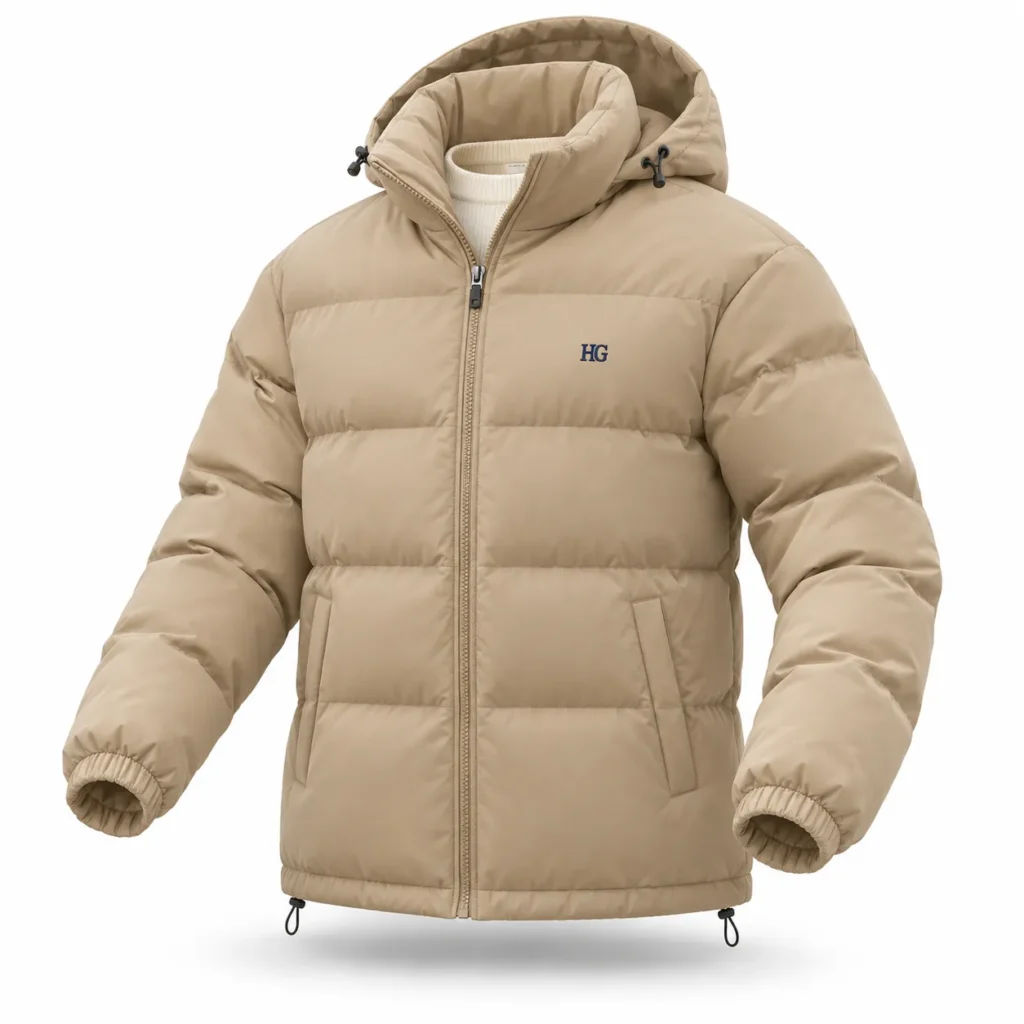
Hood Fit & Neck Coverage
With the jacket zipped, the hood should cover the head and ears, move with the wearer and leave side vision clear. Check that the collar height protects the neck without pushing into the chin.
Usable Space Inside the Fill
Outer measurements do not show how much room the fill leaves inside. Two jackets with the same outer chest can feel very different if one has much thicker baffles. Always review fit with the final fill weight installed.
Fit Checks Across the Size Range
Approving one size M sample does not confirm every size. For broad size ranges, agree on extra sample sizes and check sleeve length, hood fit, hem position and baffle proportions, because baffle spacing can look different on very small or very large sizes.
CUSTOM DESIGNS FOR B2B COLLECTIONS
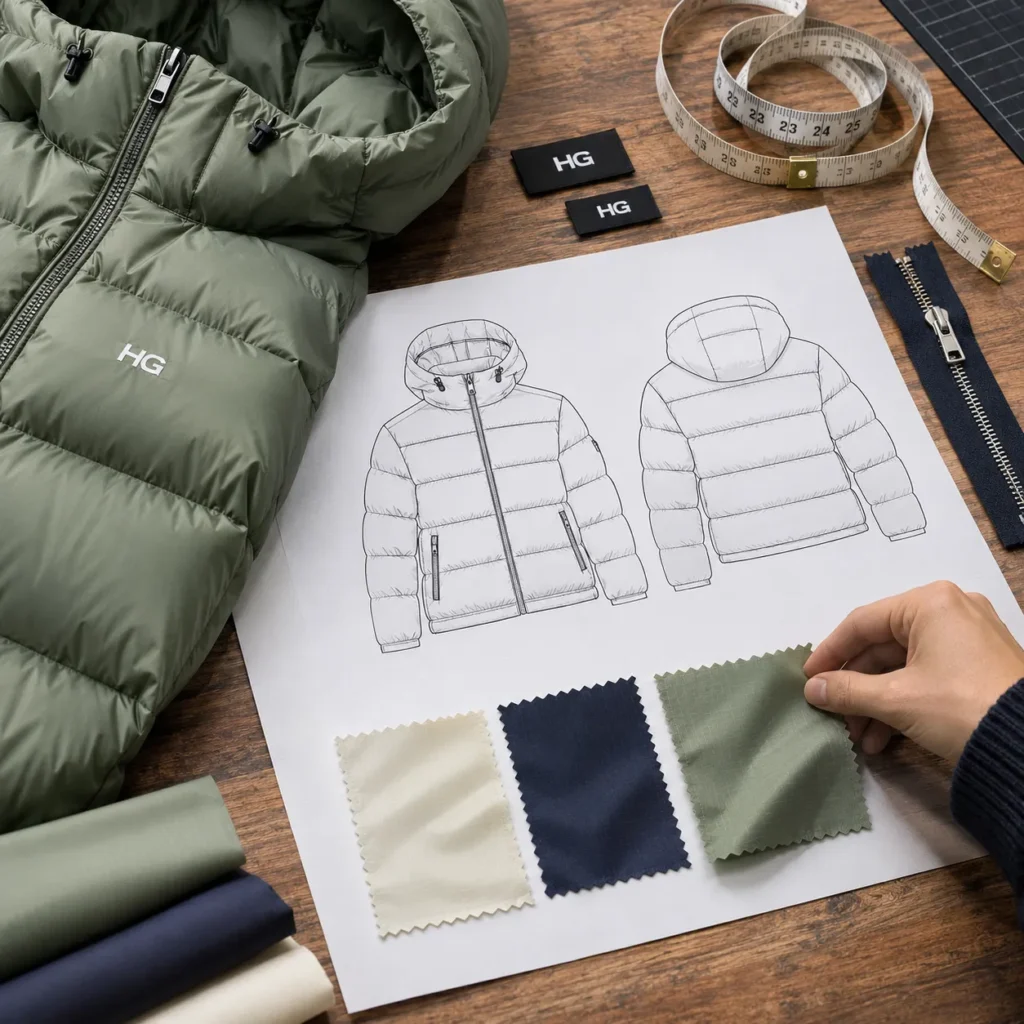
With Hexa Gears, you can specify your puffer’s shell, fill, colors, fit, branding and finishing details. Develop custom puffer jackets and vests with your choice of shell finish, lining, insulation, baffle layout, measurements and logo application for wholesale and private label collections.
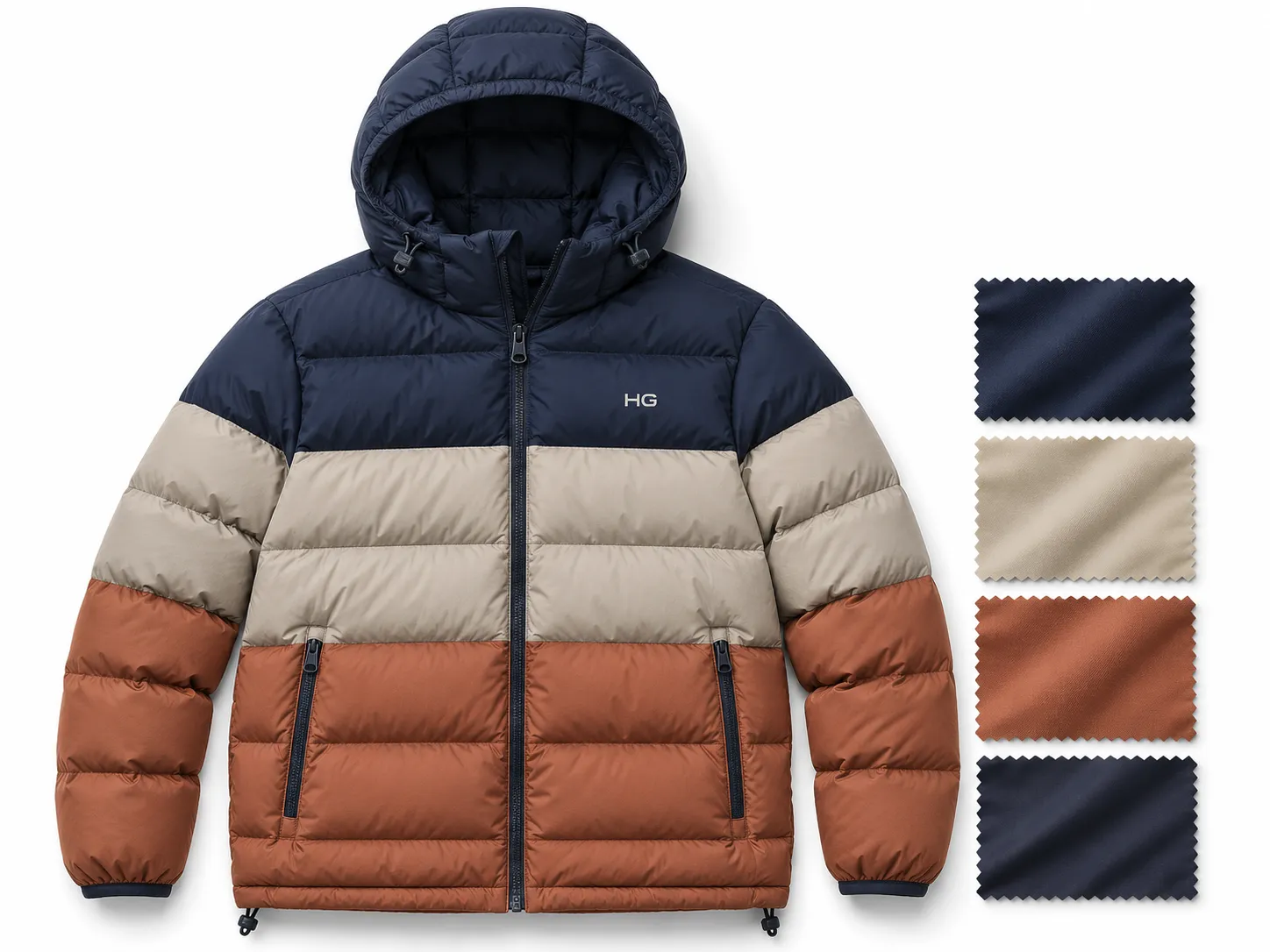
Custom Colors & Color-Block Panels
Color selection: Choose available shell colors or request custom-dyed shades against a Pantone reference, subject to fabric minimums. Lining color can match or contrast with the shell.
Panel design: Specify color-block positions, contrast yokes or sleeves, and how panel seams line up with the baffle pattern.
Baffle Layout & Quilting Pattern
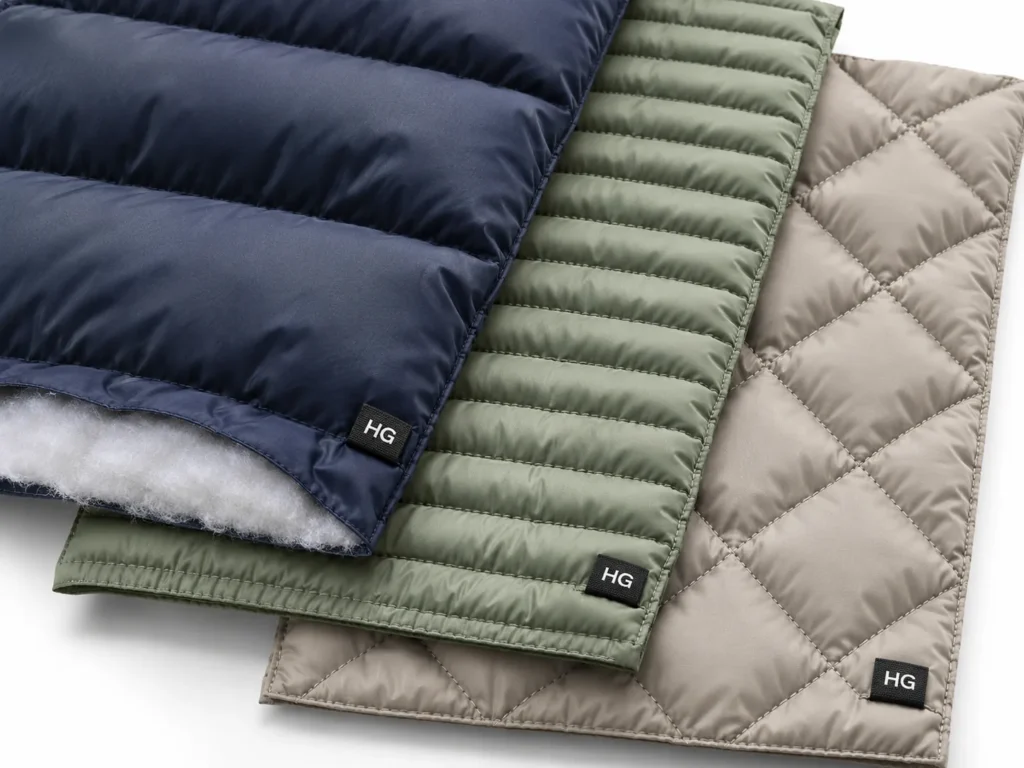
Choose horizontal channel quilting, diamond, chevron or wave patterns, and set the baffle width. Wider baffles create a bolder, puffier look; narrower baffles look sleeker and keep fill more evenly spread.
Pocket Configuration
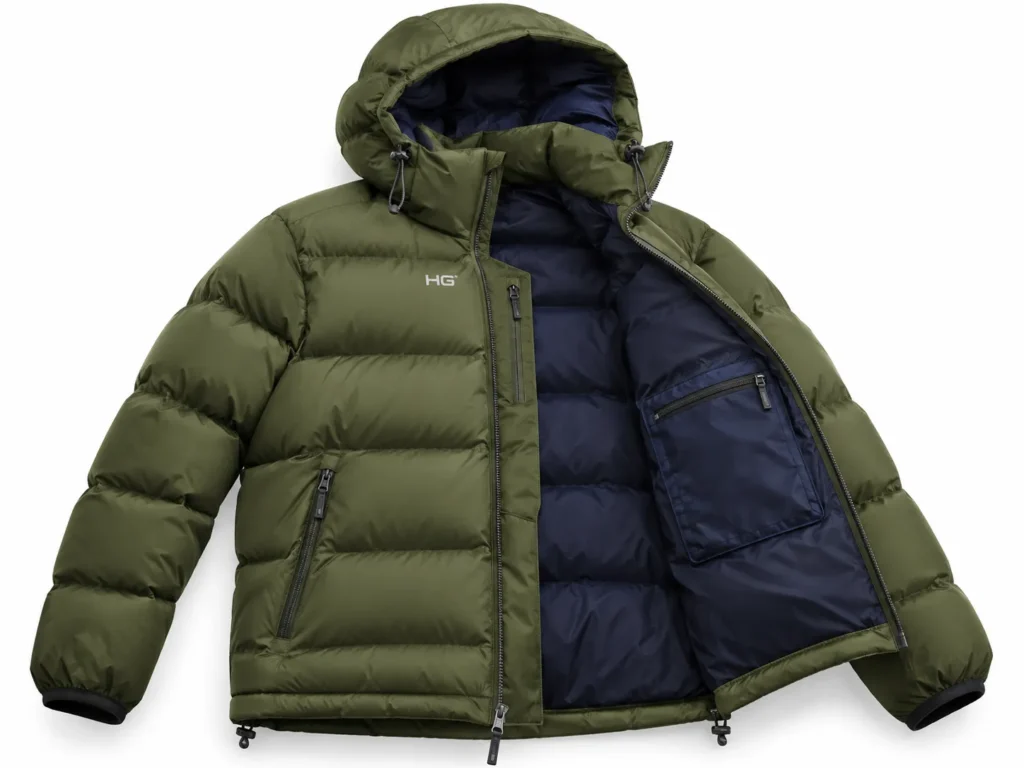
Plan hand-warmer, chest, internal media and stash pockets around how your customers will use the jacket. Packable styles need a pocket that doubles as the storage bag. Keep pocket openings clear of baffle seams and logo areas.
Hoods, Collars and Closures
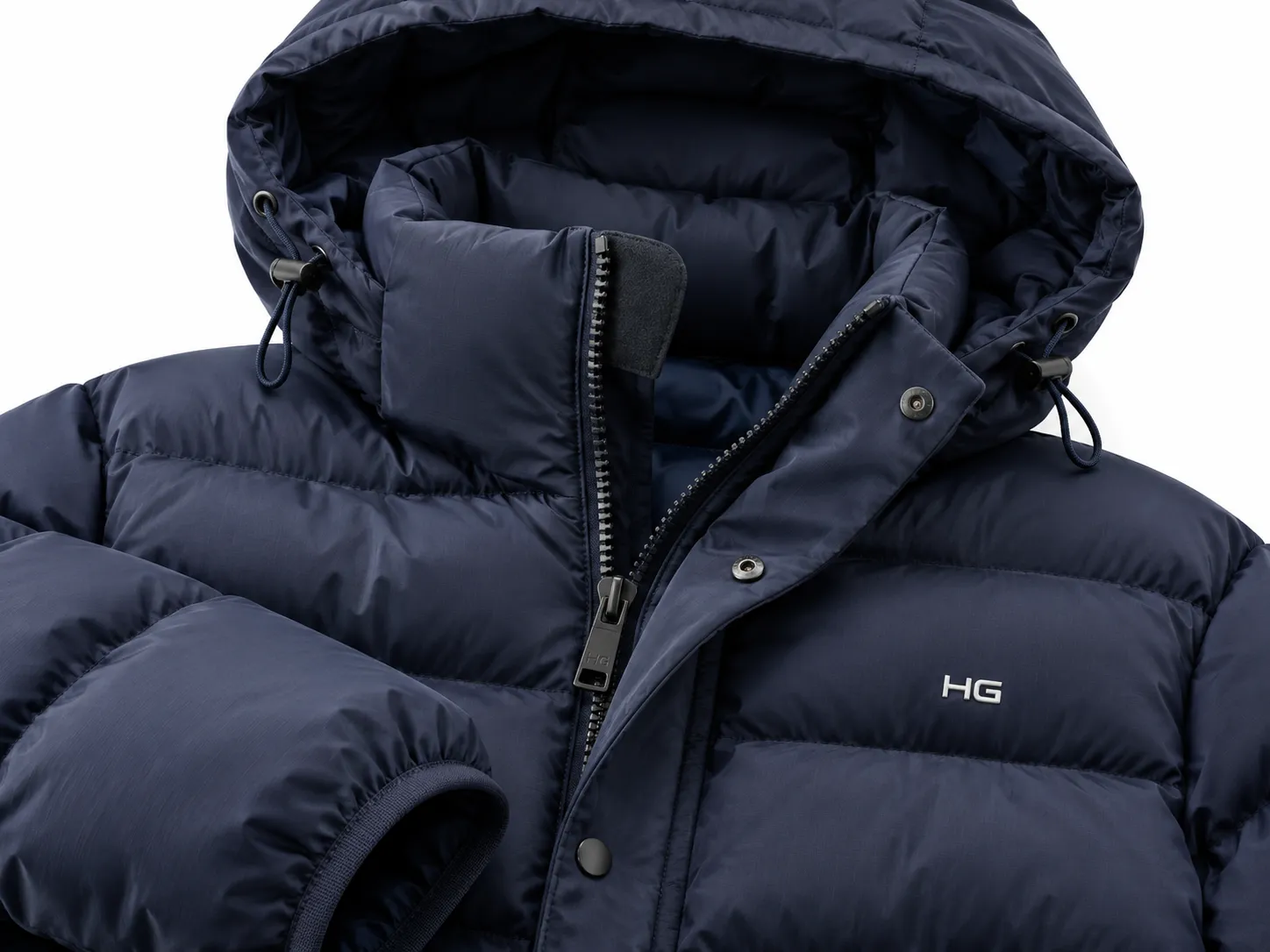
Hood design: Choose a fixed, detachable or stowable hood, its insulation level, peak shape, adjusters and optional faux-fur trim.
Cuffs and hem: Select elastic binding, inner storm cuffs, thumbholes, and an elastic or drawcord hem with branded toggles.
Zippers and hardware: Define zipper type, tape color, puller design, storm flap and chin guard, with branded pullers or snaps where required.
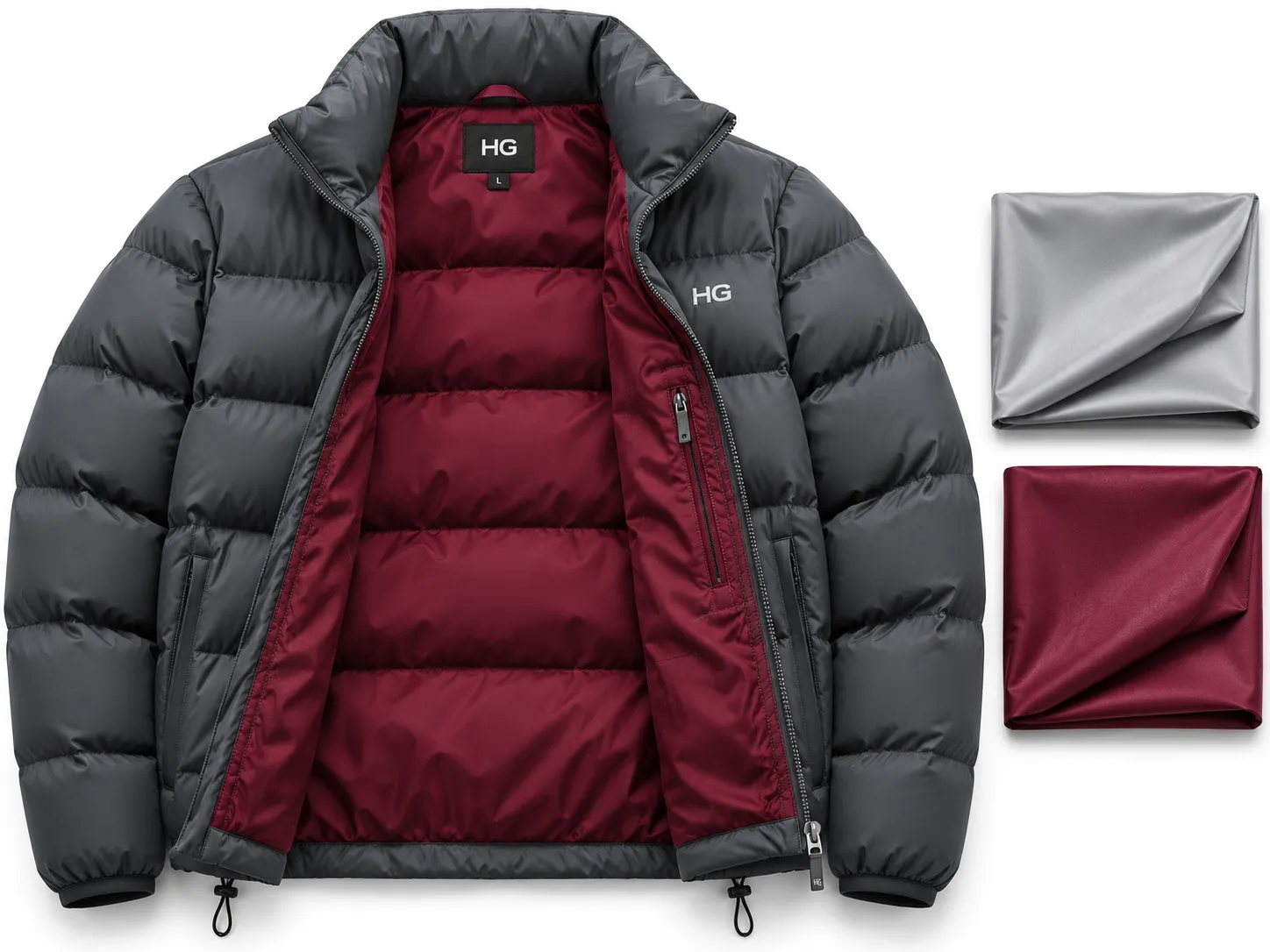
Lining Options
Select matching, contrasting, printed or branded lining for your private label custom puffer jackets. For down fill, the lining must be down-proof; for printed linings, confirm artwork scale and repeat against the quilting lines.
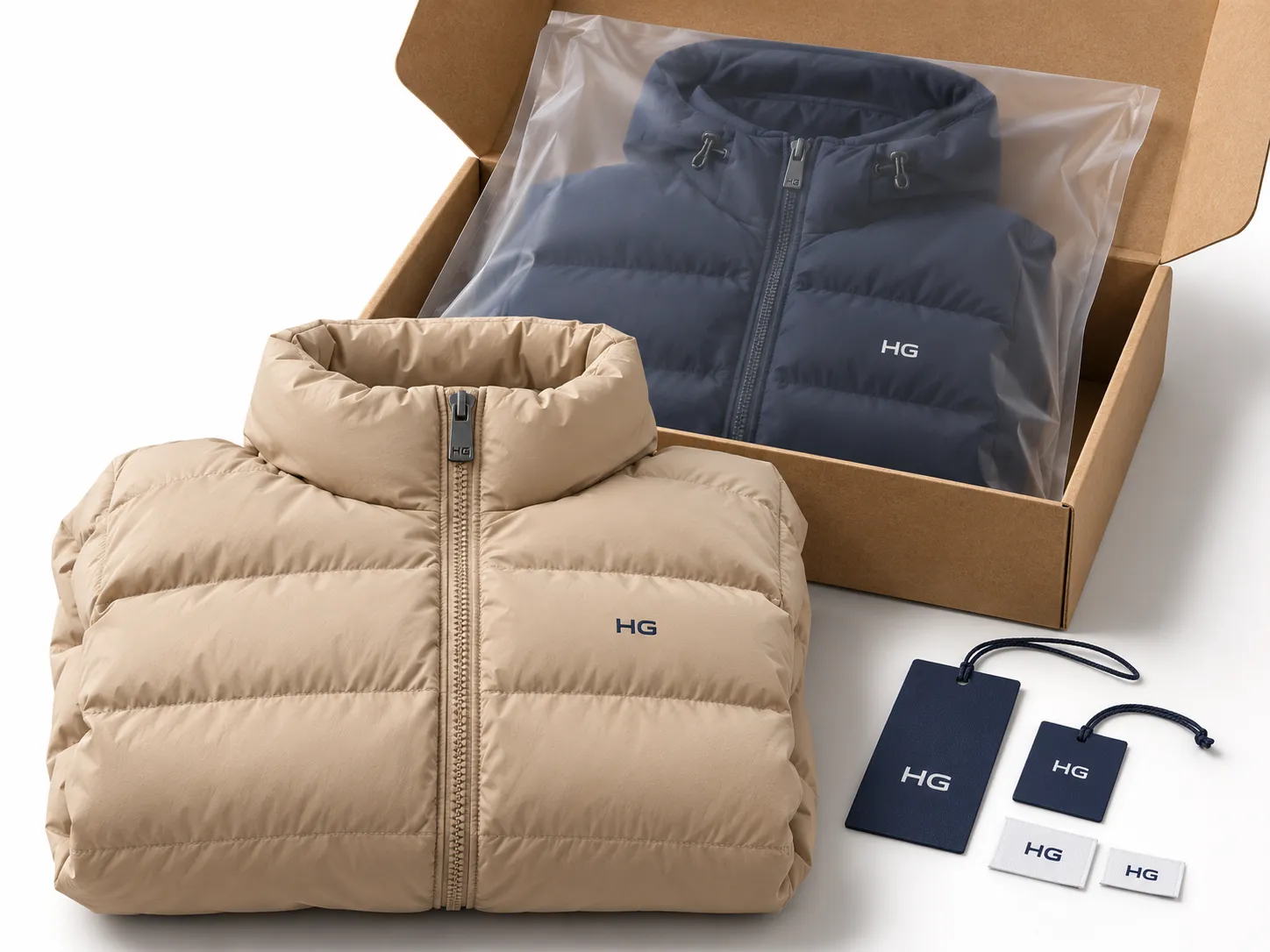
Private Labels & Packaging
Plan neck labels, care and fill-content labels, size tabs and hangtags with your branding. Puffers are bulky, so discuss compression or vacuum packing to reduce carton volume, and allow recovery time for loft after unpacking.
FROM YOUR FIRST INQUIRY TO SHIPMENT
How Hexa Gears Develops Your Custom Puffer Jackets
A clear specification links your design, sample and finished order. Our support covers product development, fill and fabric selection, sampling, bulk production, inspection and shipping coordination.
Starting MOQ
Approve before bulk
Your brand identity
Shipping support
BRAND IT YOUR WAY
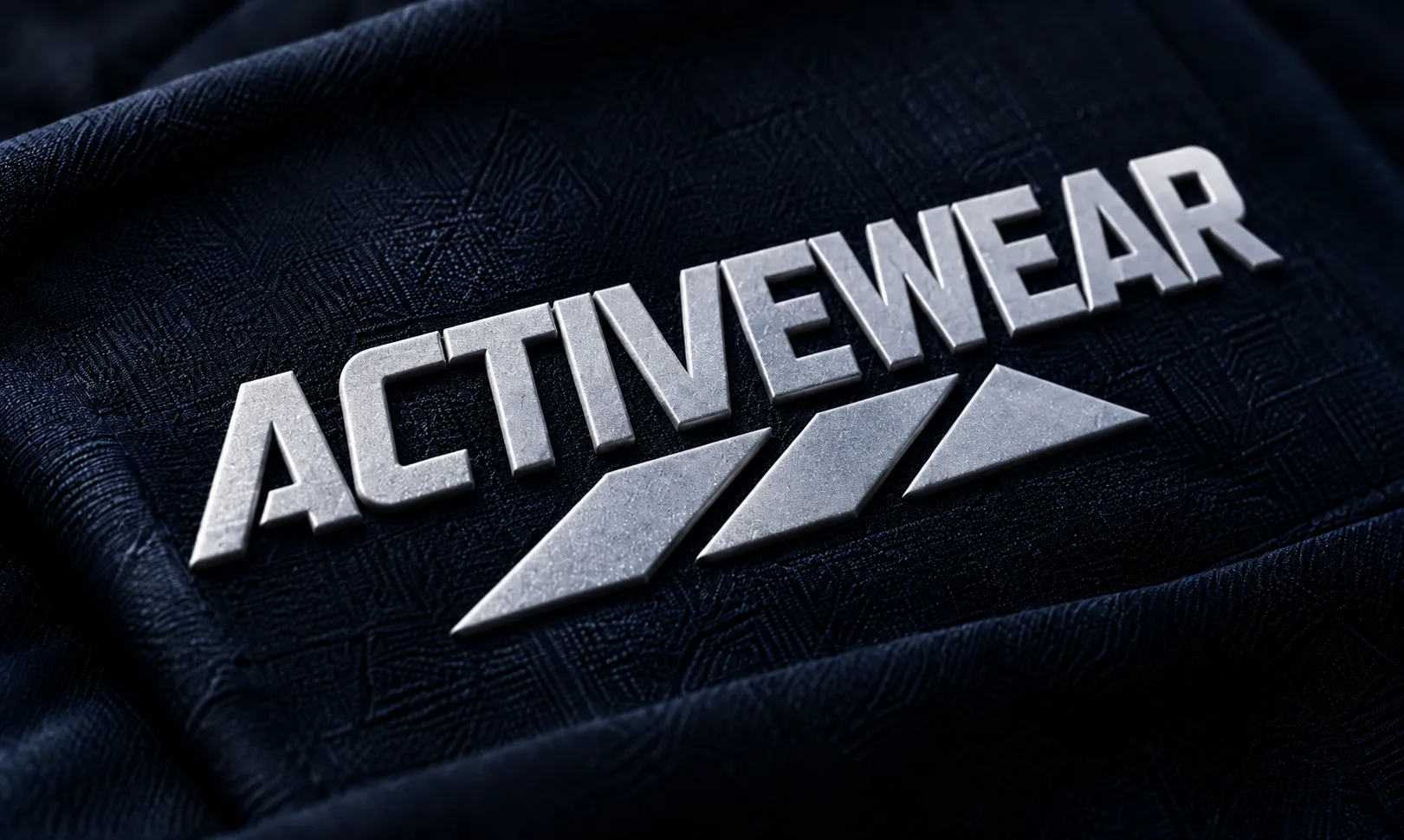
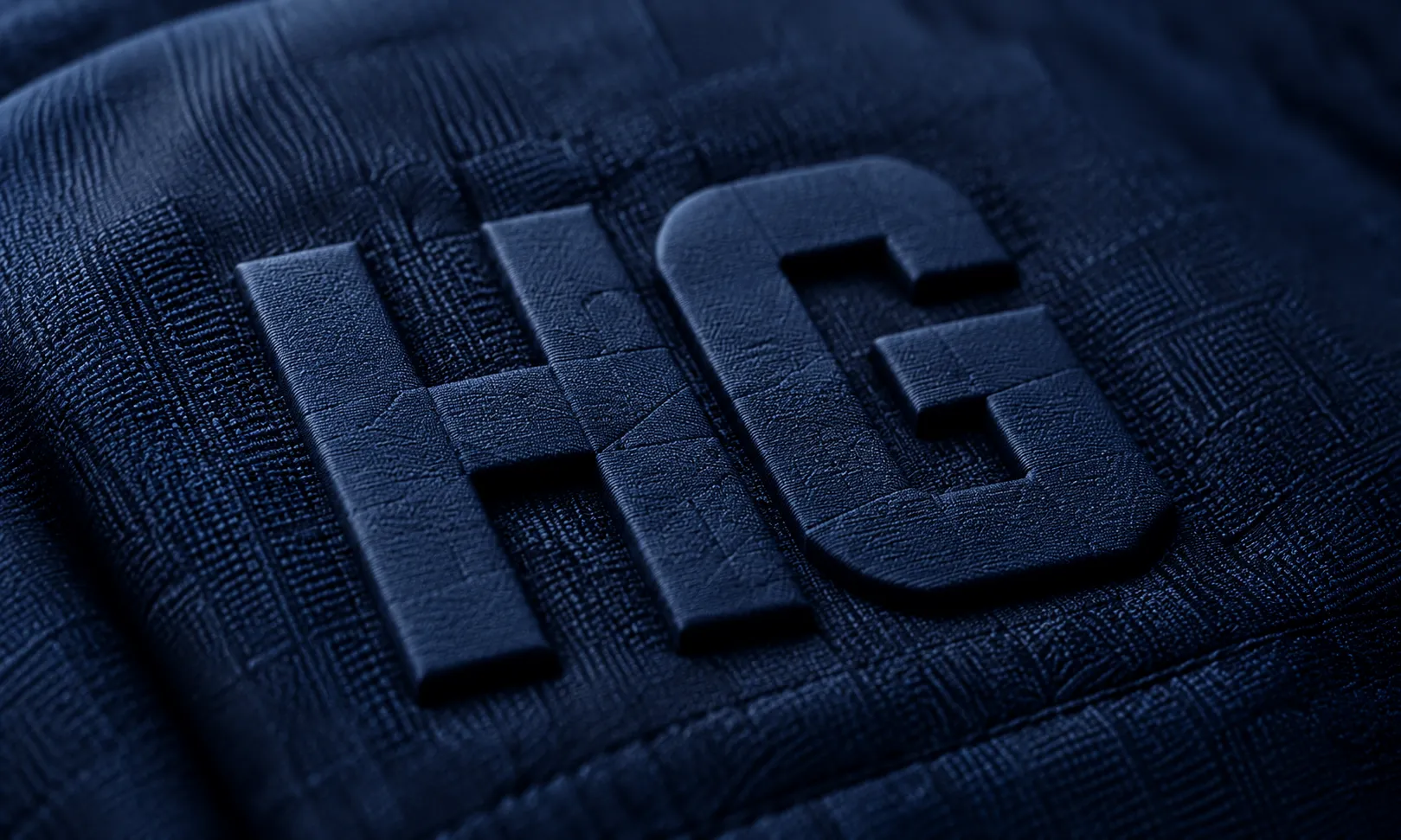
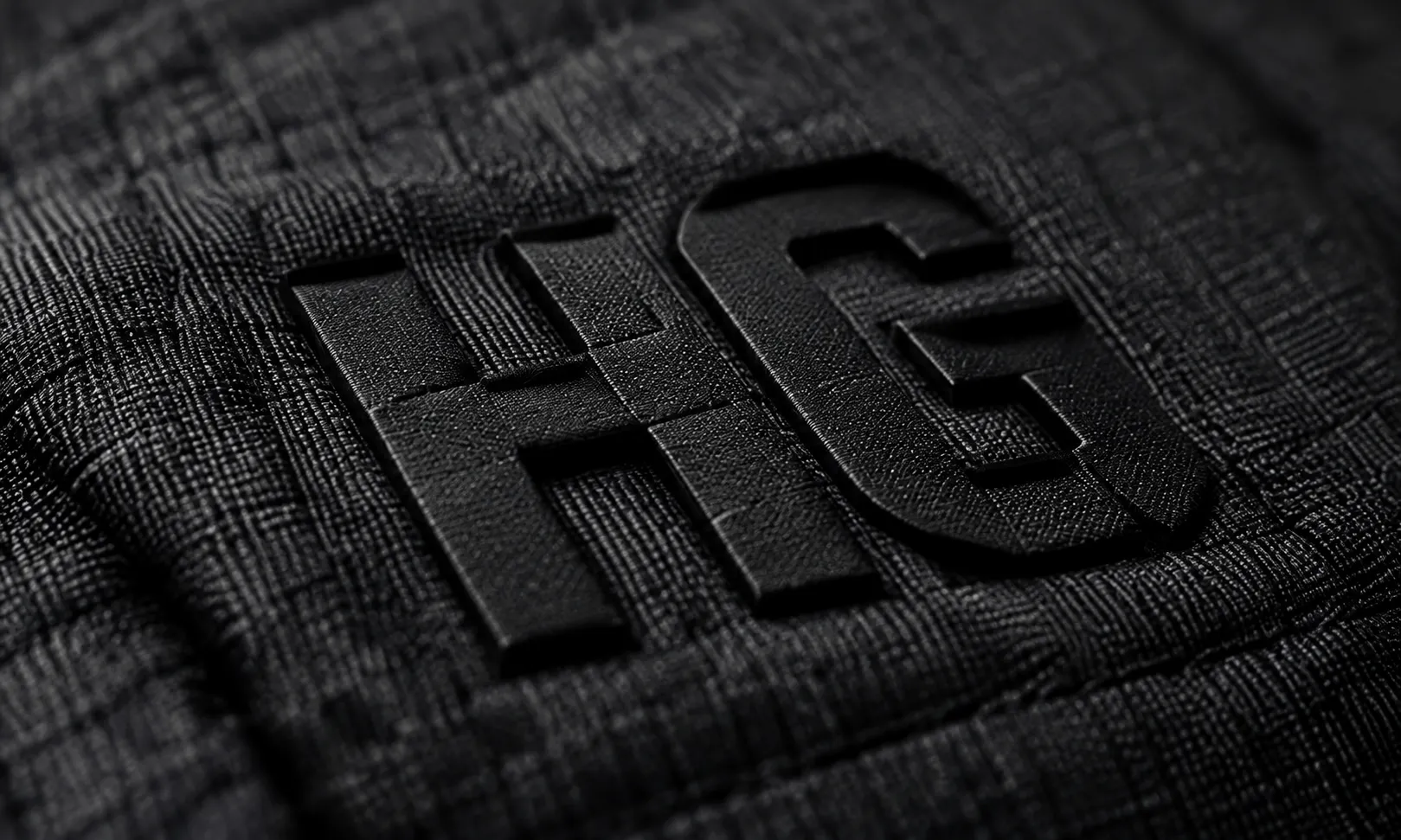
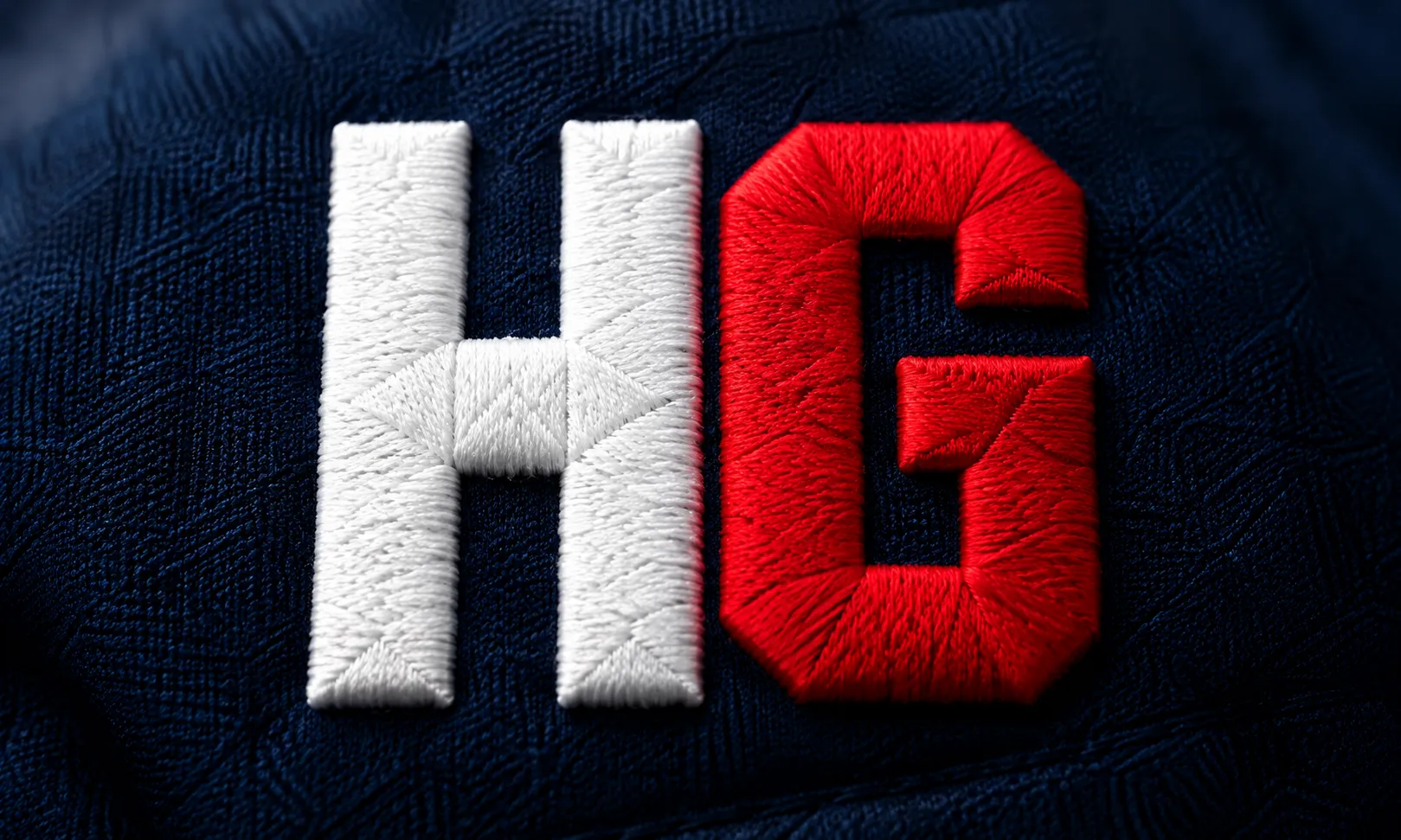
Custom Logo Printing & Branding Options
Explore decoration methods for your custom logo and artwork. The right option depends on the material, artwork, surface shape, and desired finish, and Hexa Gears confirms suitability during sampling.
 Heat Transfer Printing01
Applies logos and graphics using heat and pressure, with stretch-compatible options for activewear.
- DTF Printing02
Transfers detailed, multicolour designs from a printed film onto fabric. Suitable for many fabric types when correctly matched and tested.
- Screen Printing03
Creates bold, durable graphics using inks selected for the fabric. Well suited to repeated designs in bulk orders.
- Sublimation Printing04
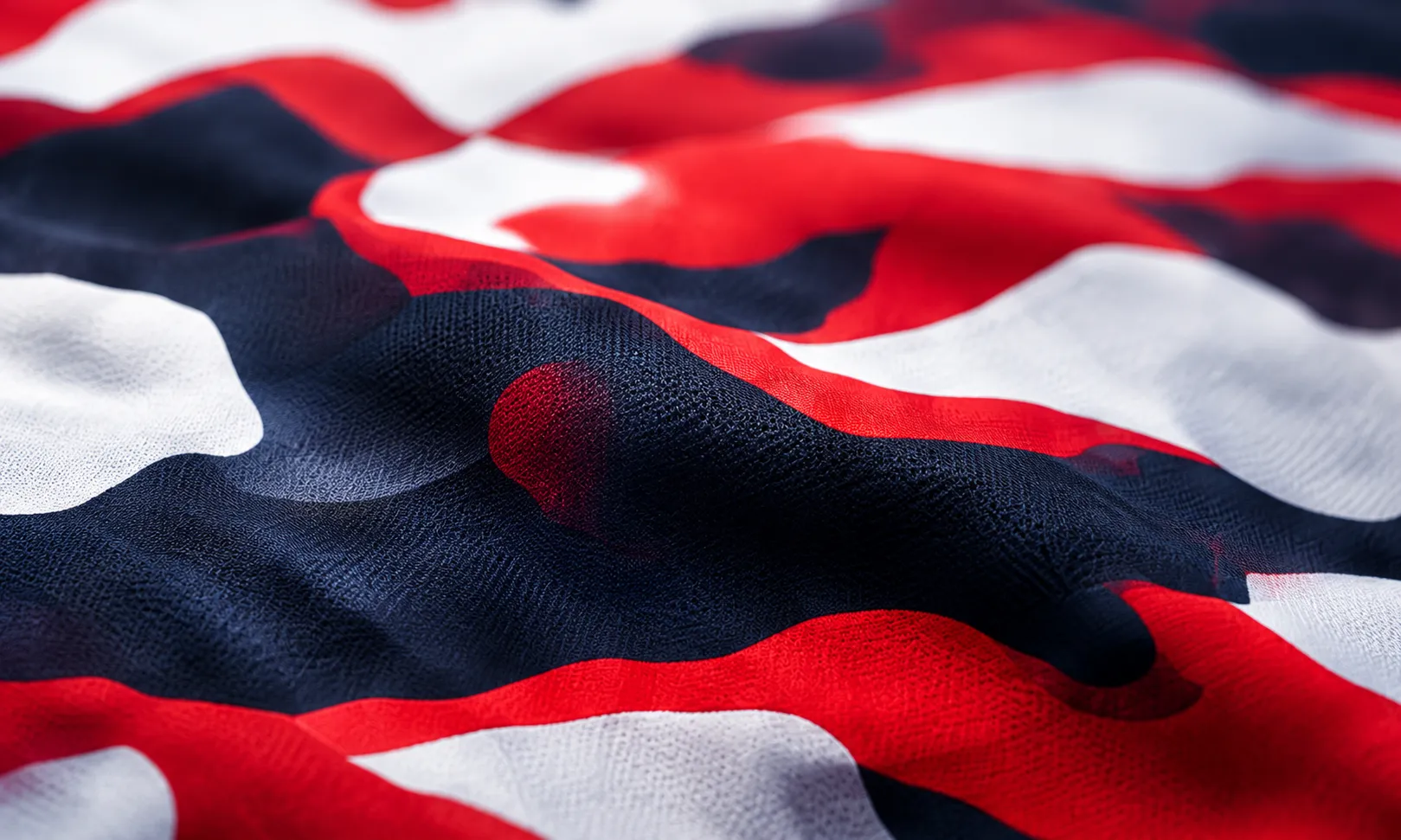
Creates all-over colors and patterns on suitable polyester fabrics without adding a raised print layer.
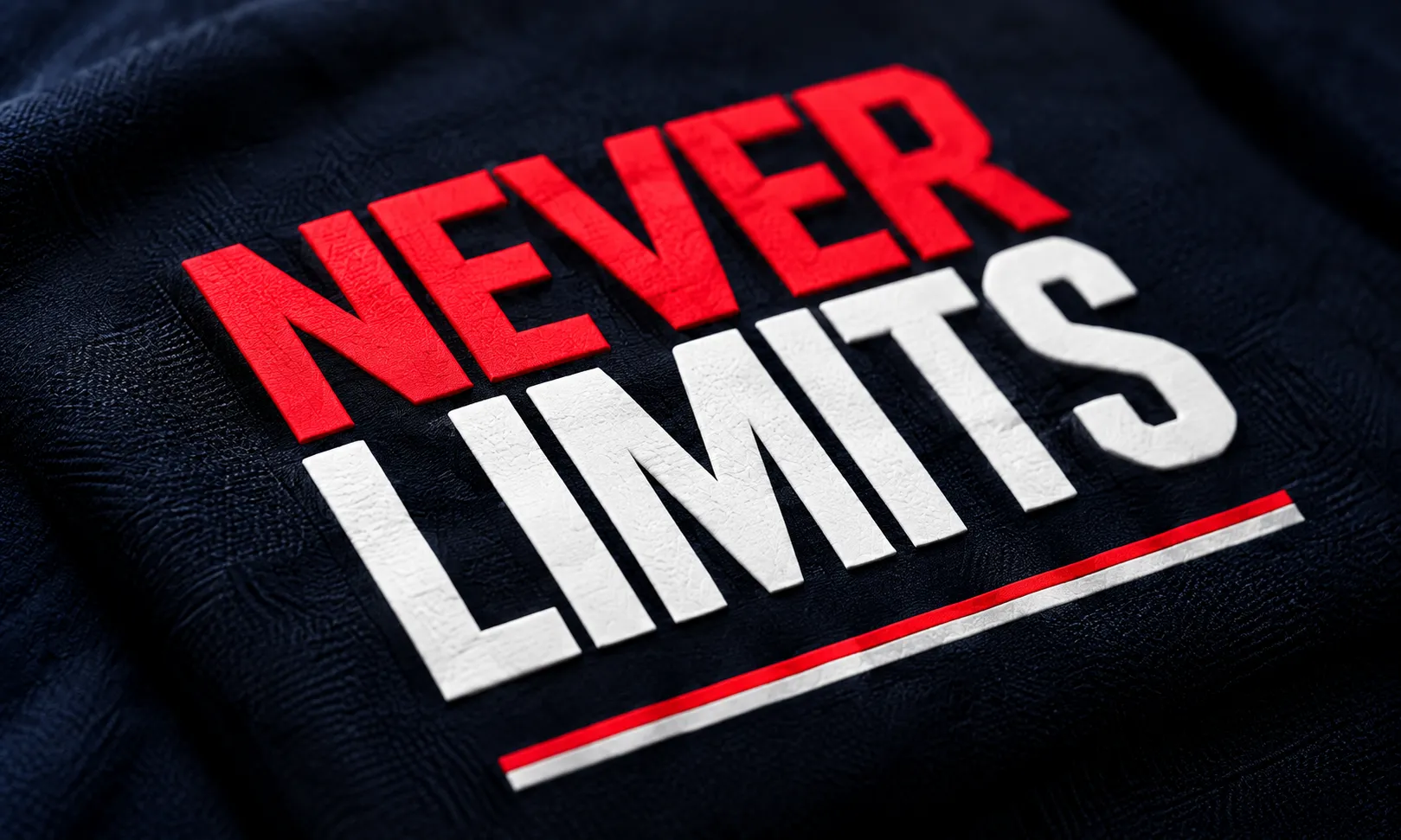
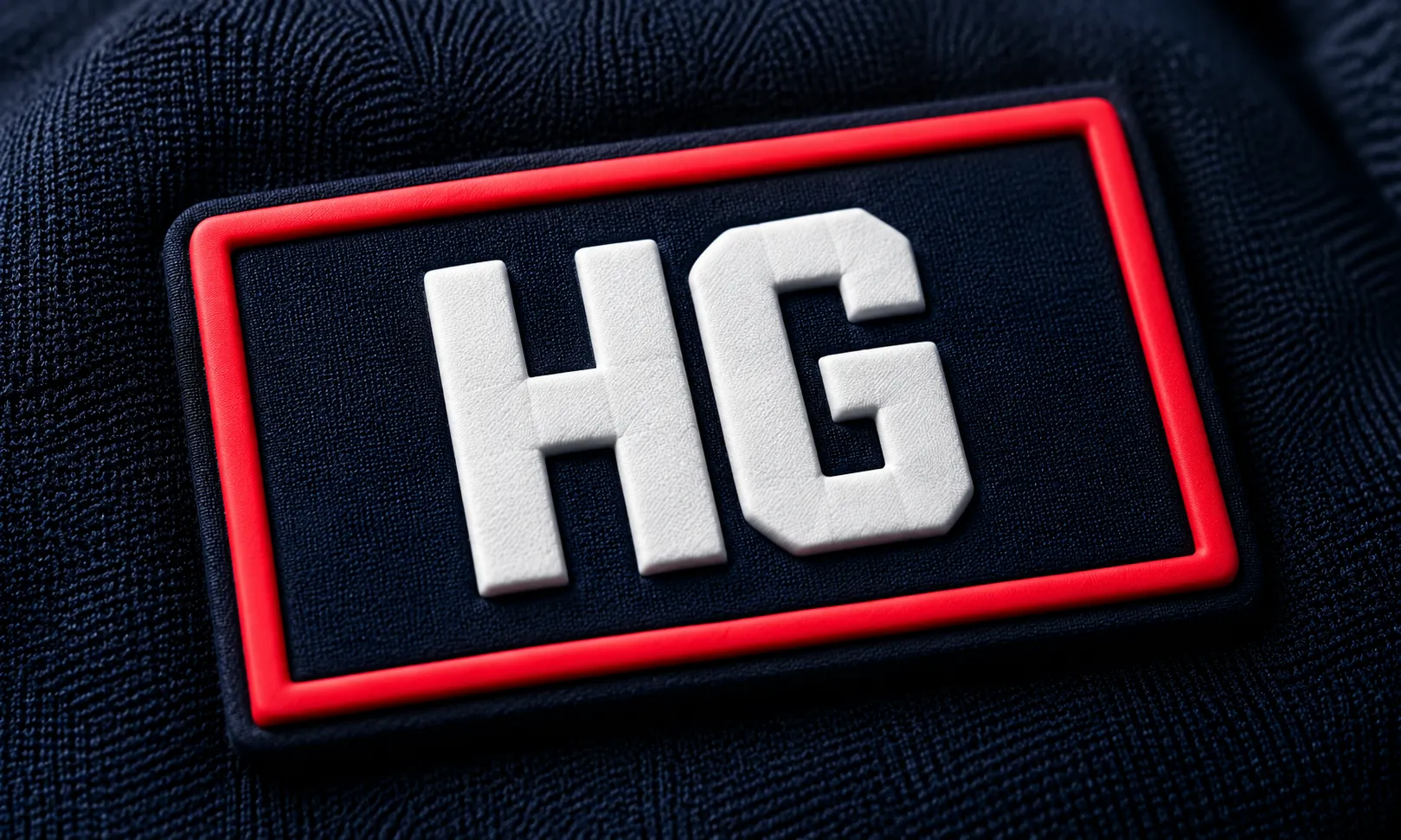
- Silicone Printing05
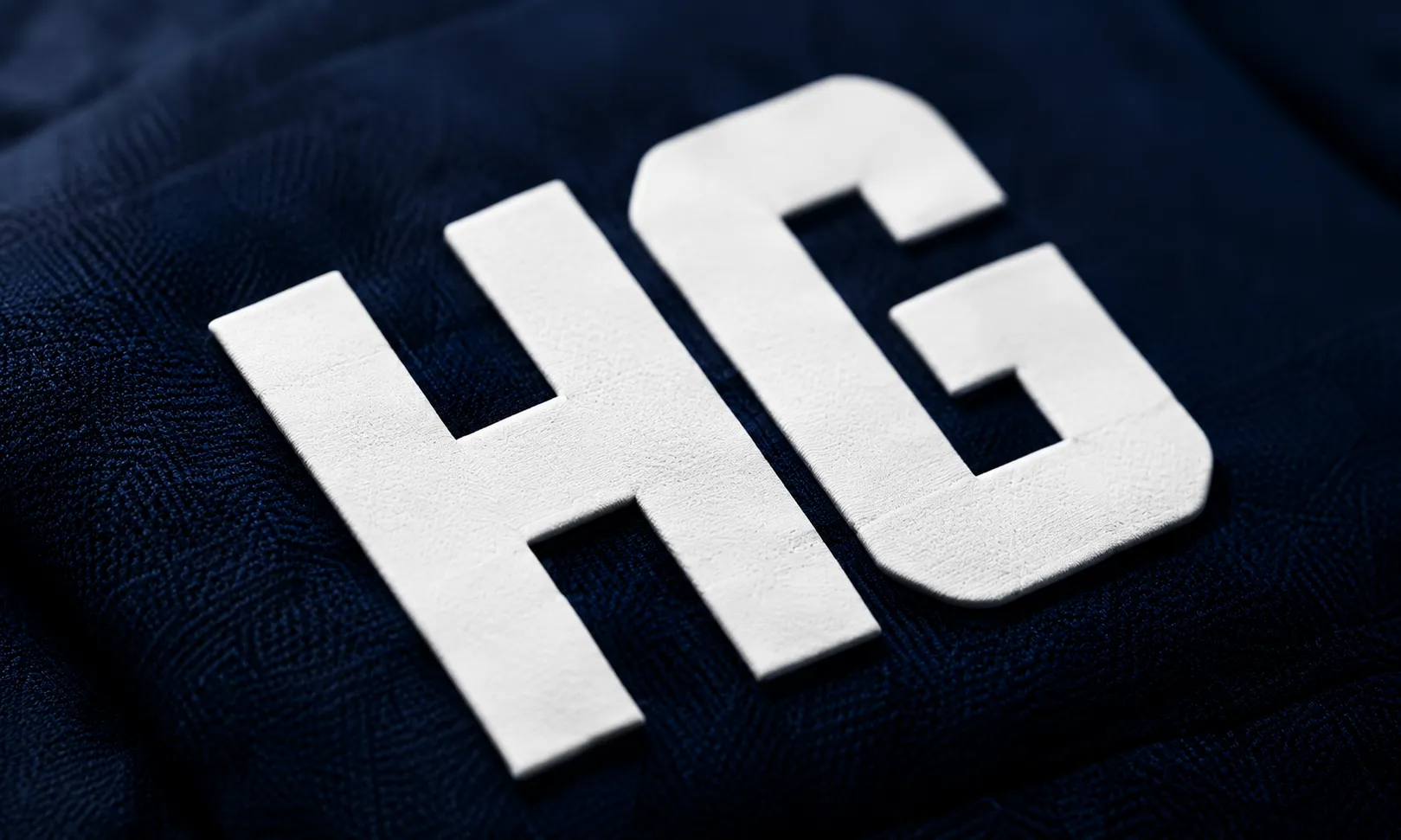
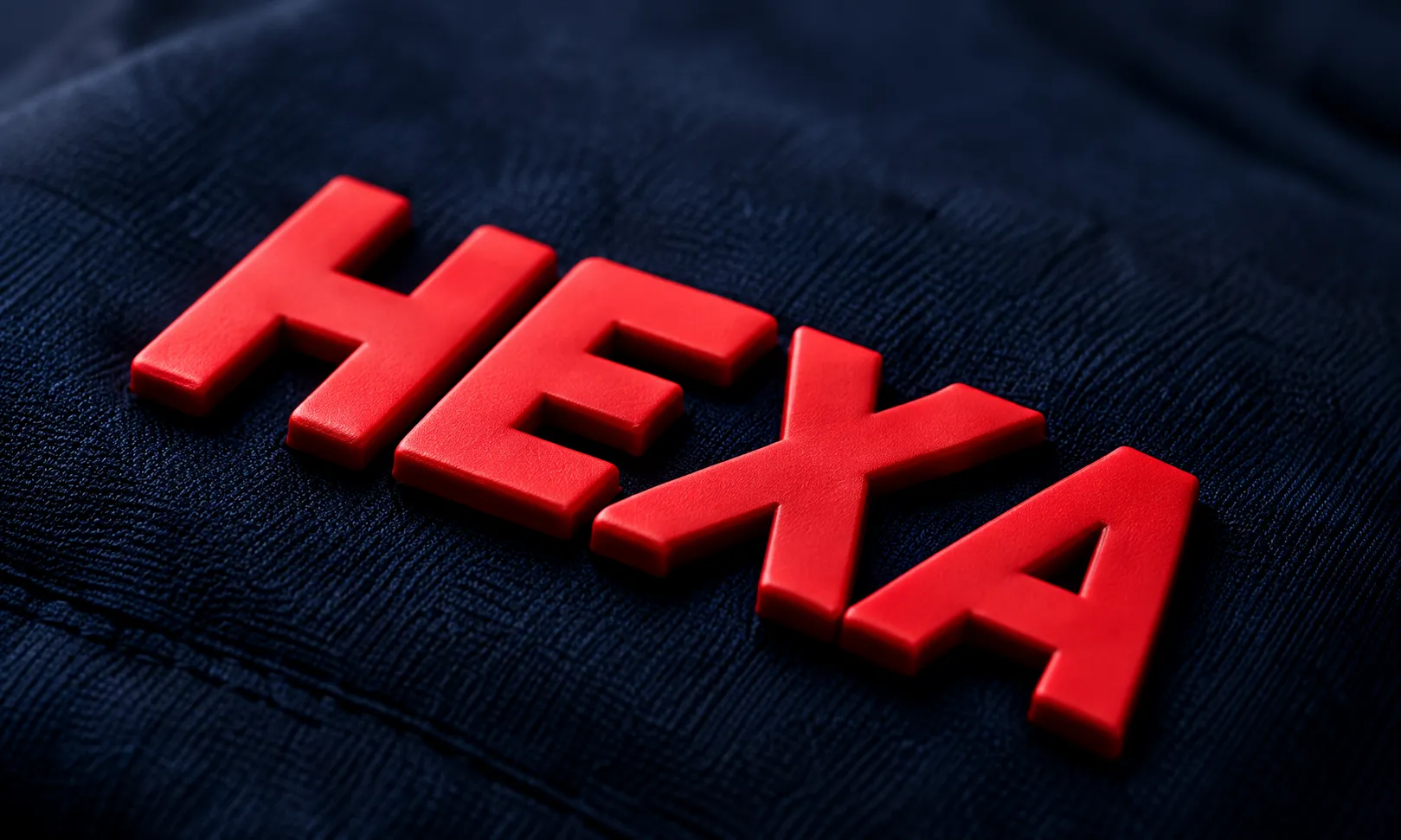
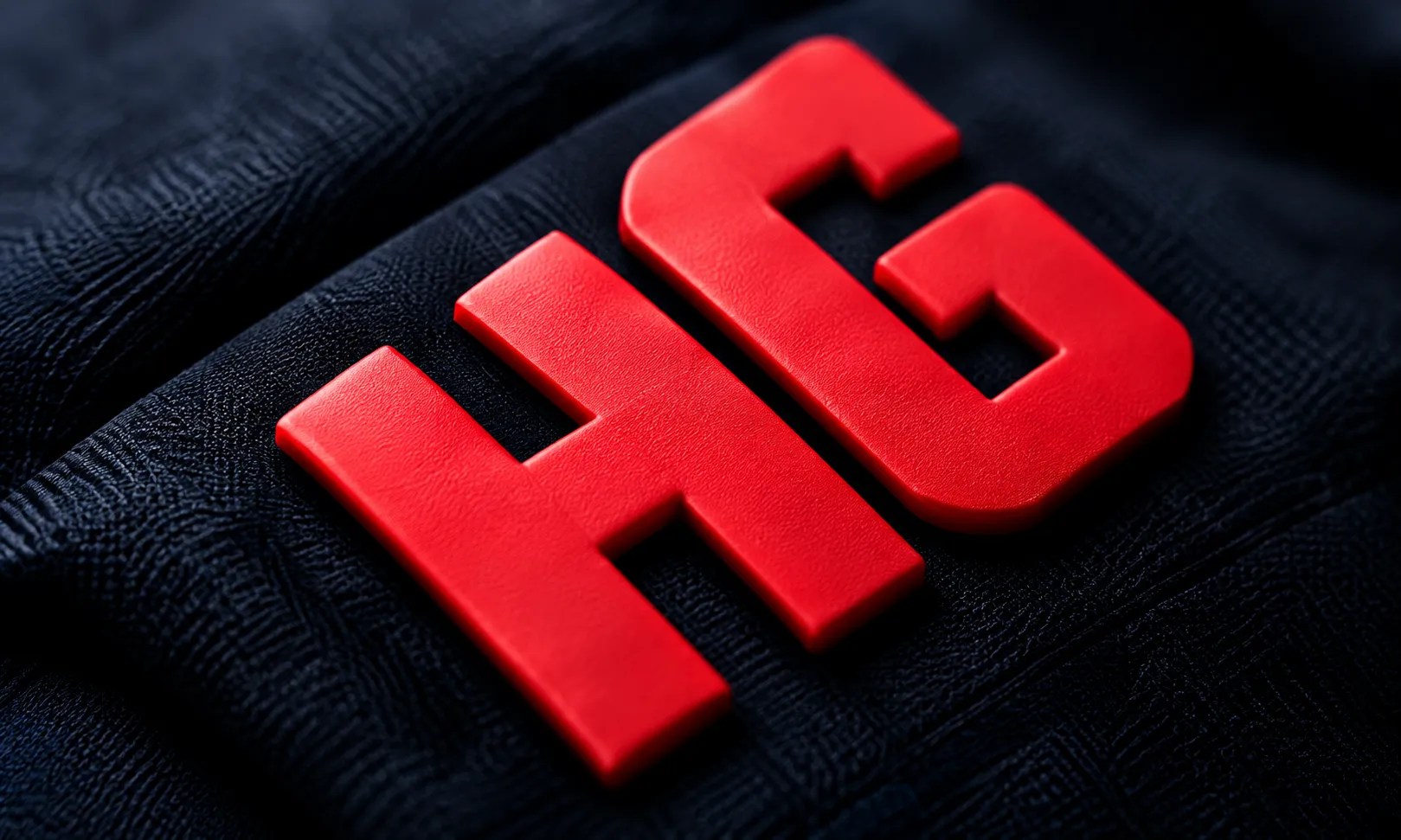
Produces a smooth, raised, rubber-like logo with a premium appearance.
- High-Density Printing06
Builds up ink to create raised graphics with defined edges and a textured finish.
 Reflective Printing07
Adds logos or details that reflect light, creating a distinctive appearance under direct illumination.
- Puff Printing08
Uses heat-activated ink to create a soft, raised effect. Best suited to selected garments and compatible fabrics.
- Embossing09
Creates a raised design through a suitable forming process, adding subtle texture and dimension
- Debossing10
Creates an indented design for a subtle branding effect. Suitability depends on the fabric and process
- Embroidery11
Uses stitched threads to create durable logos, particularly on jackets, hoodies and heavier garments.
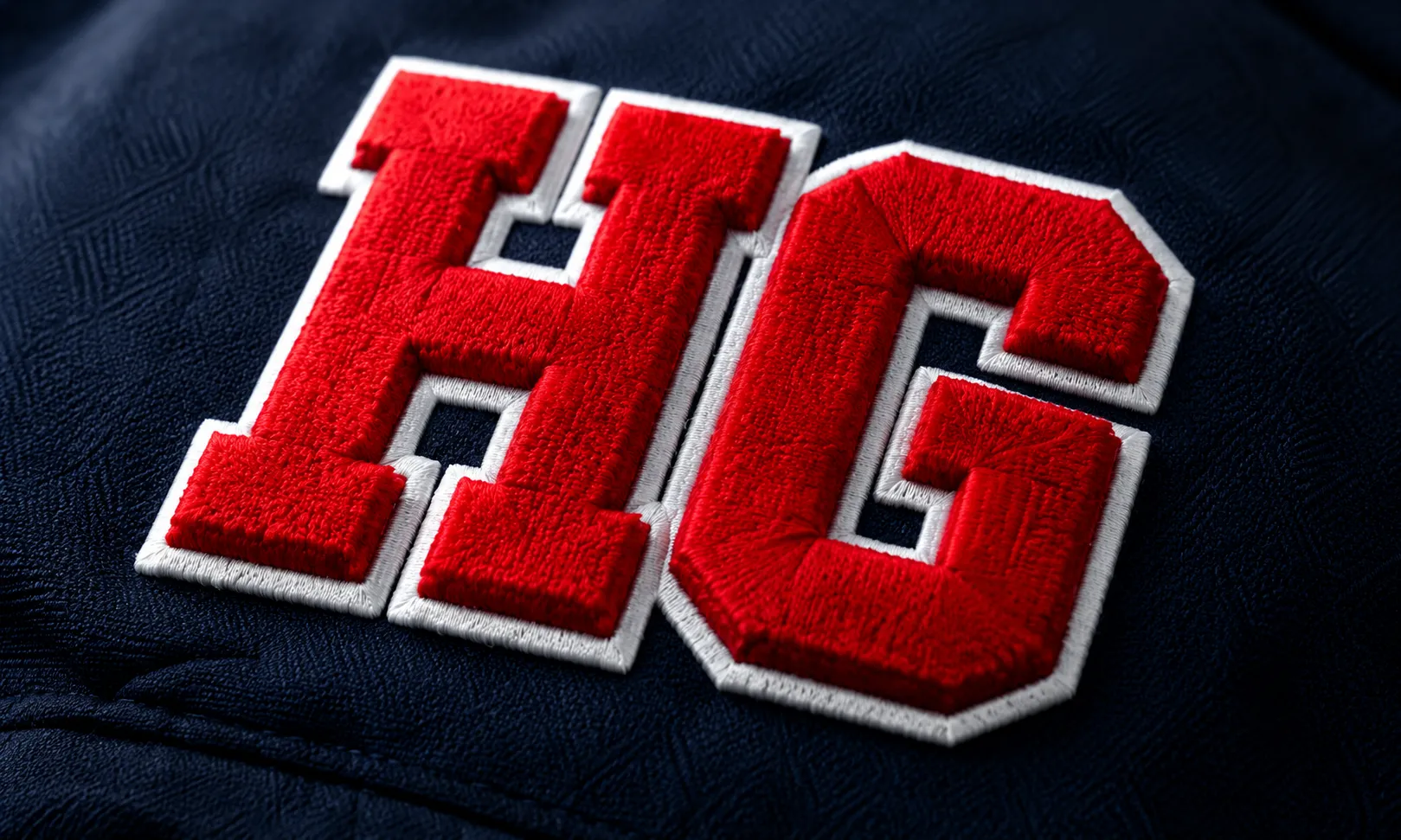
- 3D Puff Embroidery12
Uses foam beneath embroidery to create raised lettering or logos, commonly on caps and structured garments
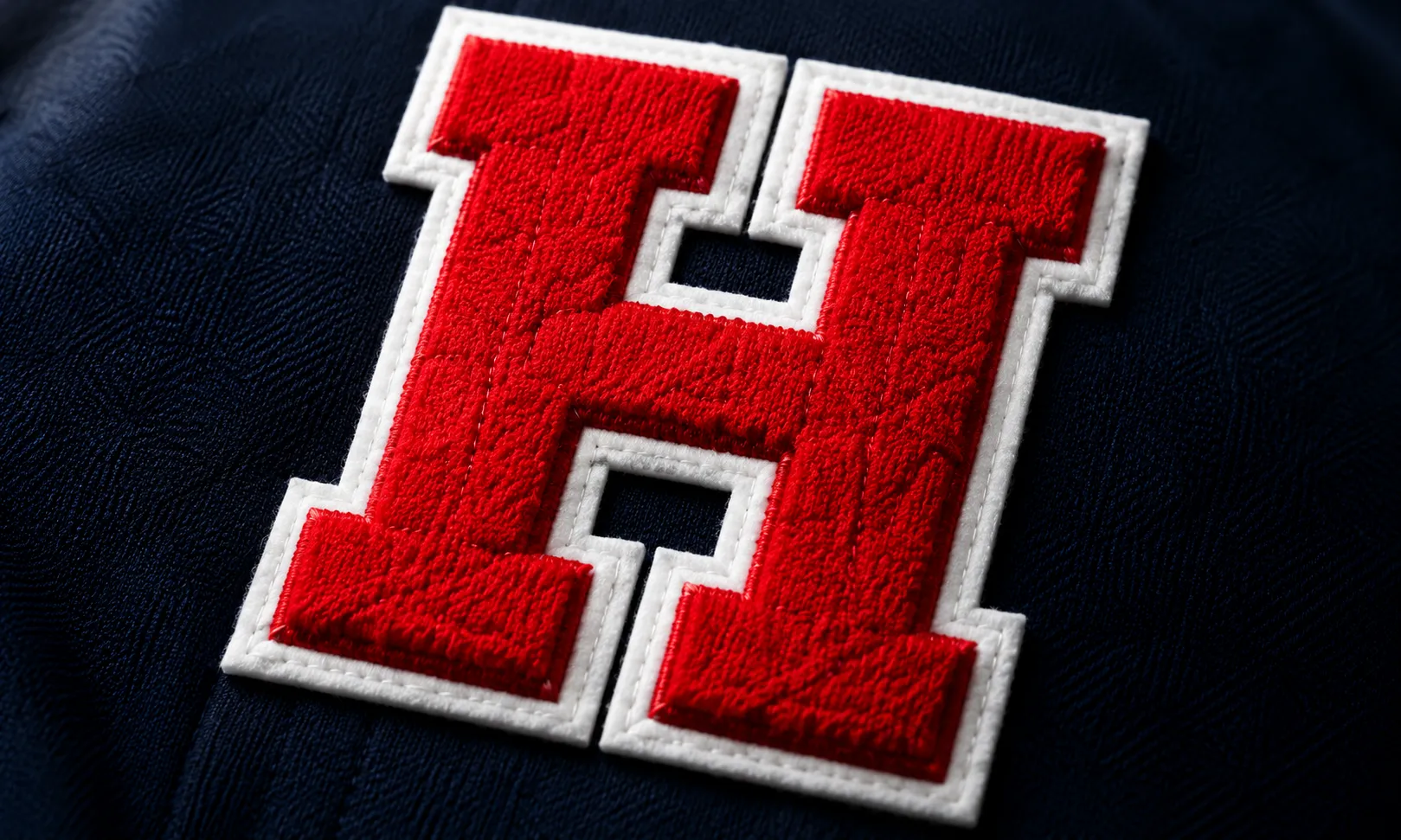
- Appliqué13
Attaches fabric shapes or lettering to garments for contrasting colours and textures.
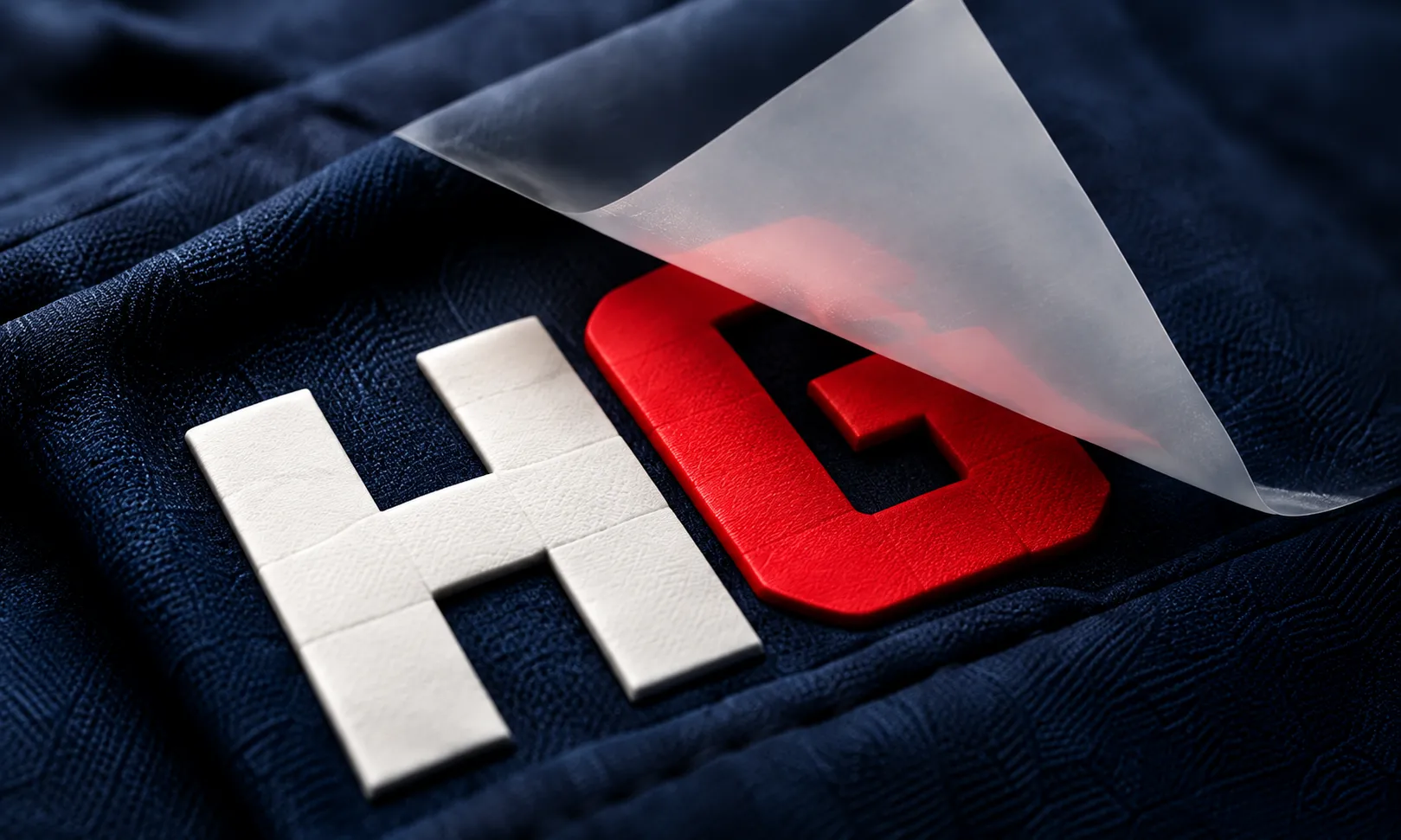
- Woven Patches14
Add separately woven badges for team crests or brand logos, attached by stitching or a suitable heat-bonding method. Confirm placement, flexibility and backing during sampling.
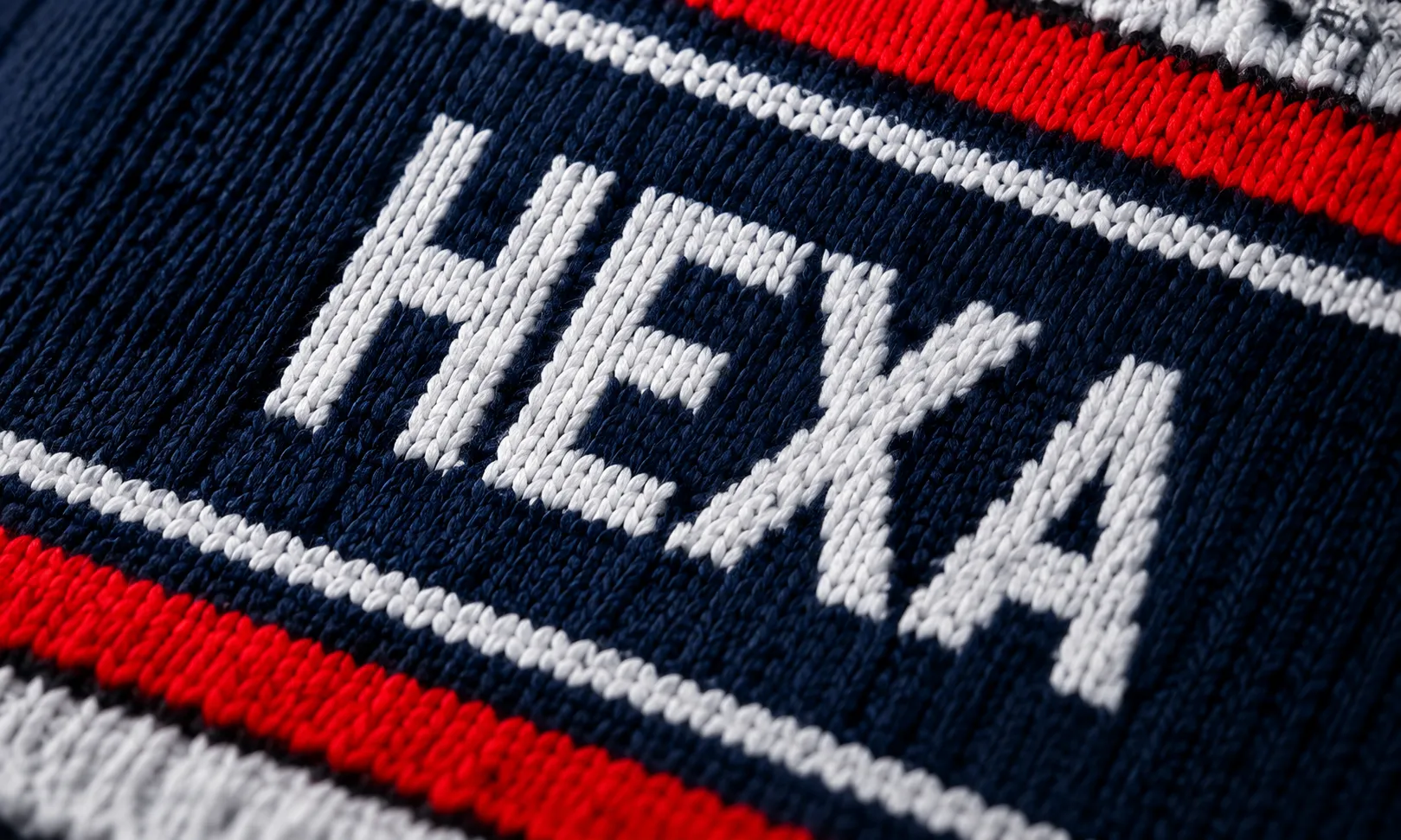
- Jacquard Knitting15
Integrates patterns or branding into the fabric during knitting, rather than applying a surface print.

Plan Your Next Puffer Jacket Collection
Plan your private label puffer collection around your customers’ climate, retail launch dates and warehouse arrival. Outerwear sells within a short cold-weather window, so working backward from launch protects time for fill sourcing, sample revisions, bulk production and shipping.
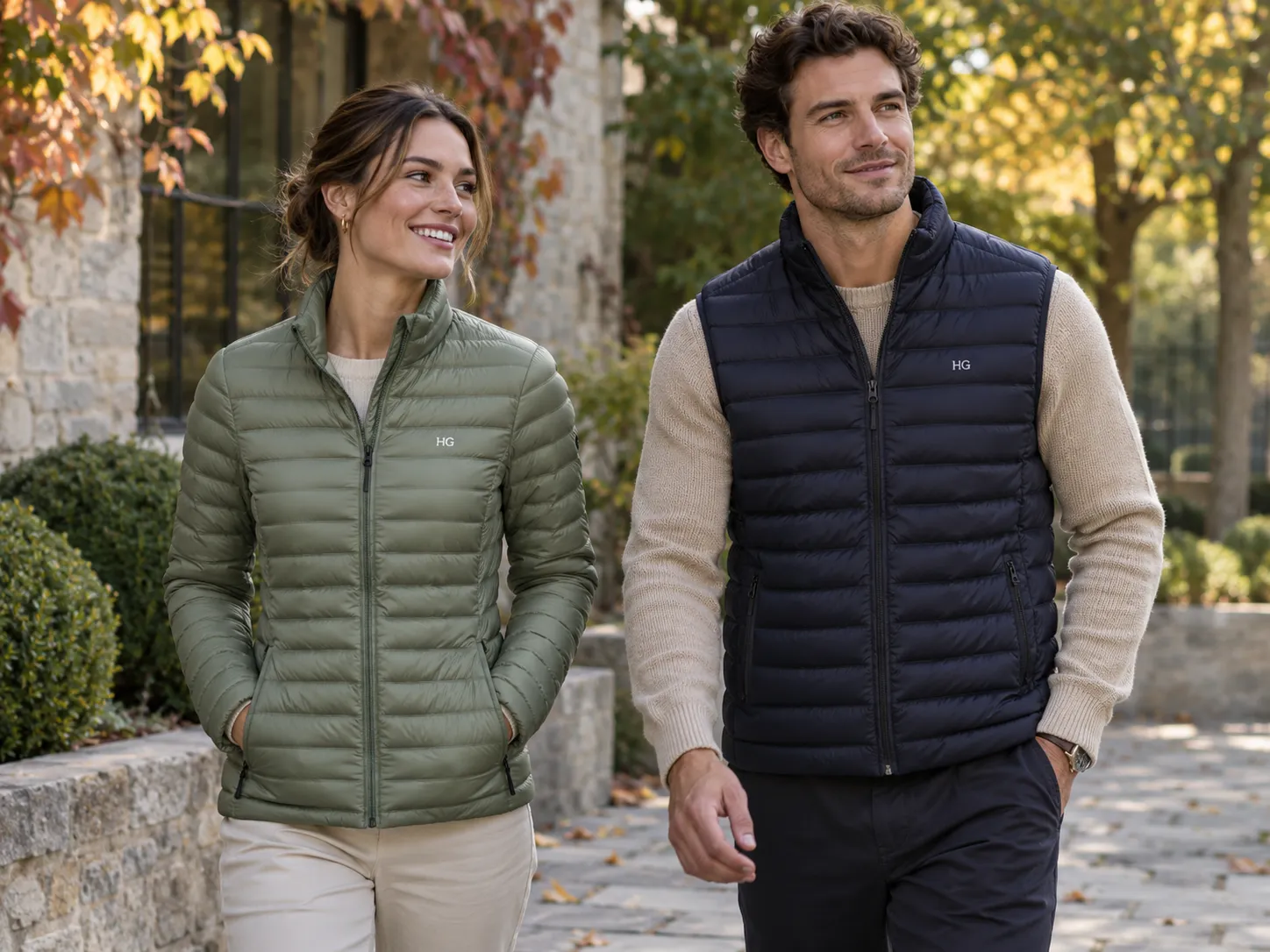
Fall / Early-Season Drops — Lightweight & Packable:
Consider puffer vests and packable jackets with low-denier nylon shells and 60–100 GSM synthetic fill or lightweight down. These pieces sell early in the season and work as layering items, so packed size and weight are key specifications.
Illustrative sampling window: February–April ahead of an early-fall launch.
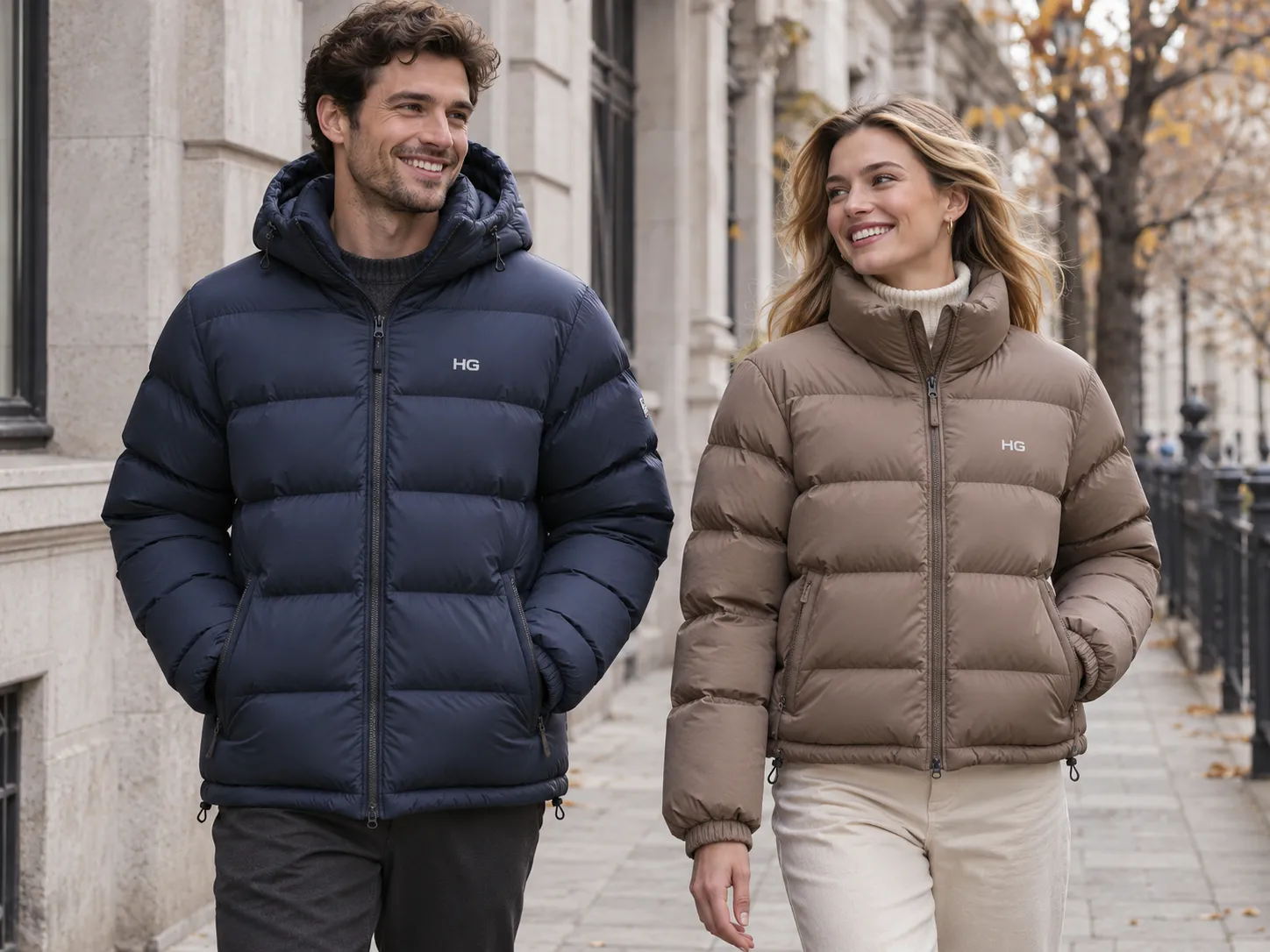
Core Winter Collections — Everyday Puffers:
Hooded and cropped puffers with 120–150 GSM wadding or 550–650 fill power down cover most city winters. Add glossy, matte or printed shells to give one pattern several looks across the collection, and review the sample over typical winter layers.
Illustrative sampling window: March–May ahead of the main winter launch.

Deep Winter / Holiday — Heavy & Longline Styles:
Longline coats and oversized puffers for cold climates may need 180–250 GSM wadding or 650+ fill power down , plus insulated hoods and storm cuffs. Allow extra planning time for down sourcing, faux-fur trims and custom hardware, and work back from a warehouse date that leaves time for receiving before your holiday campaign.
Illustrative sampling window: April–June ahead of the holiday season.
Quality Checks for Your Bulk Puffer Jacket Order
Your approved sample and written specifications are the reference for quality inspection. Hexa Gears supports inspection of custom puffer jacket orders, covering the following points in your order’s checklist:
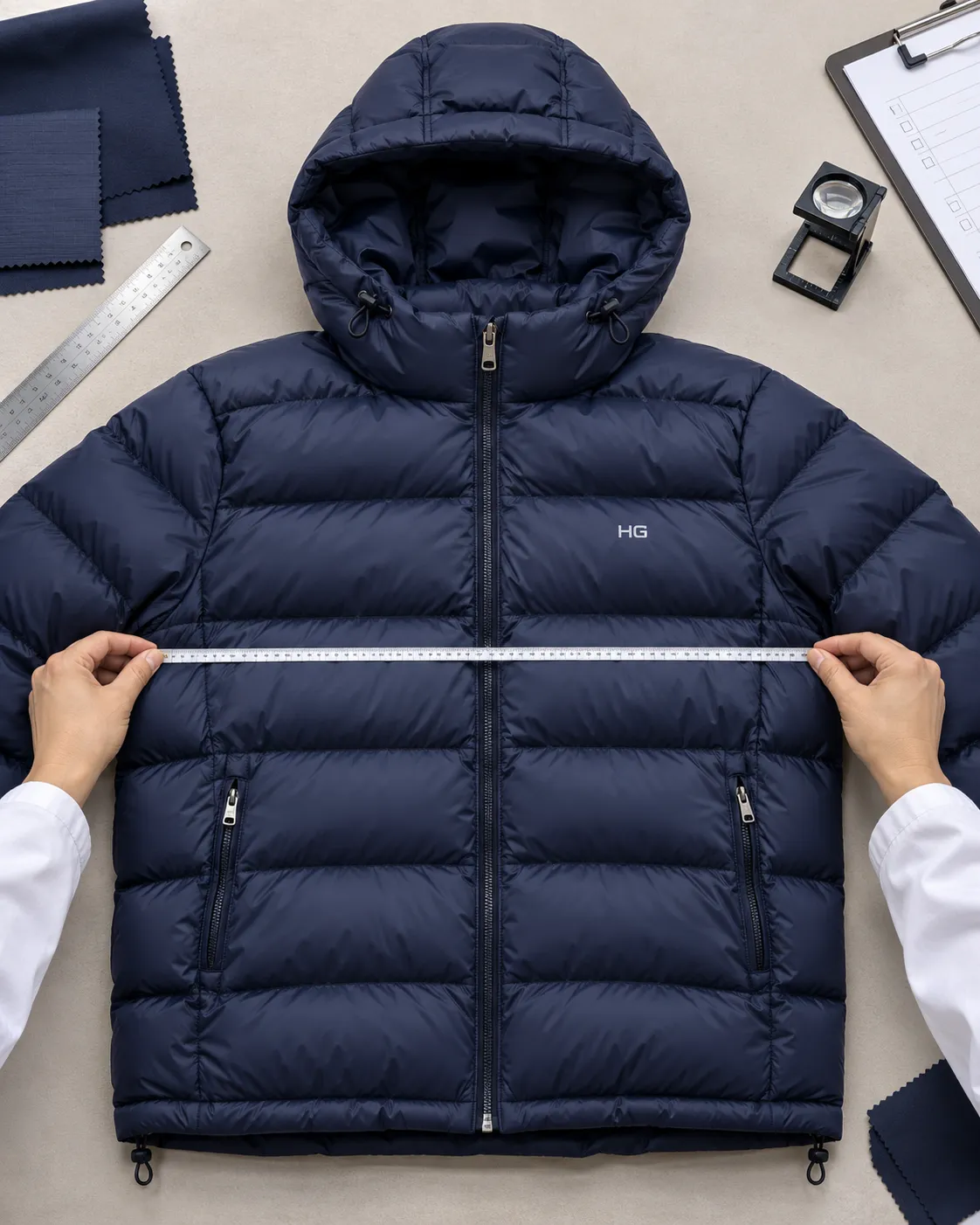
Shell, Lining & Color Consistency
Compare shell and lining against approved swatches. Check for stains, coating marks and shade differences between panels and sleeves, which show clearly on glossy fabrics. Assess colors together under agreed lighting.
Measurements & Fill Weight per Size
After loft recovery, check finished measurements against the approved size chart and tolerances. Verify fill weight by size against the specification, so every jacket delivers the same warmth and puffy appearance.
Stitching & Down Leakage
Inspect quilting lines for straightness, skipped stitches, loose threads and puckering. On down styles, check seams and baffle lines for feathers or fibers working through the shell and lining.
Zippers, Snaps & Elastic Recovery
Operate zippers repeatedly to check for jamming or caught fabric, especially beside thick filled panels. Check snaps and hood attachments, and stretch elastic cuffs and hems to confirm they recover.
Fill Distribution & Cold Spots
Hold panels to the light or press along the baffles to find thin areas, clumps or empty corners. Confirm the baffle layout and fill amount follow the approved construction across every size.
Have Specific Testing Requirements?
Include requirements for down leakage, fill power or fill weight verification, wash shrinkage, colorfastness or water repellency in your first brief. Agree test methods, pass criteria, lab availability and costs before production; lab testing is separate from routine visual inspection.
What Affects Your Puffer Jacket Production Cost?
Custom puffer jackets are built to order, so there is no single flat price. When we calculate your FOB or delivered quote, six main variables decide your per-unit cost:
A standard polyester pongee shell is the most cost-effective; low-denier nylon ripstop, cire or metallic finishes, recycled fabrics and laminated waterproof shells increase material cost. Down styles also need down-proof linings.
Synthetic wadding costs least. Down-alternative clusters cost more, and real down rises with higher fill power, better down-to-feather ratios, certification and heavier fill weights. Fill is often the biggest single cost in a puffer.
Ordering 100 to 500+ units lowers your per-jacket price compared with a 30-piece starter run, because fabric minimums, pattern setup, quilting setup and cutting costs are spread across more jackets.
Simple sewn-through channels are quicker to produce than box baffles, heat-bonded seams or complex diamond and chevron layouts. Large embroidery, multiple patches or all-over printing add further production steps.
Stock zippers and cord locks are economical, while branded pullers, custom toggles, detachable faux-fur trims and two-way zippers on longline coats add cost, especially at lower quantities.
Puffers are light but bulky, so carton volume often affects freight more than weight. Compression packing, destination and freight method influence the total cost. Ask whether your quote is FOB or delivered, so freight is not a surprise later.
Why Choose Hexa Gears as Your Puffer Jacket Manufacturer?
Hexa Gears is a B2B manufacturer in Sialkot, Pakistan, helping clothing brands, startups and wholesale buyers develop and produce insulated outerwear, from first sample to bulk order.
100% Direct In-House Cut-and-Sew Facility:
Every step stays in our own facility, with no traders or subcontractors in between. Pattern making, cutting, quilting, filling, stitching and QC all happen in Sialkot, Pakistan.
Dedicated English-Speaking Merchandisers:
Review loft, fill distribution, sizing, stitching and branding with one merchandiser before approving your order. Sample development gives your team time to request changes while they can still be built into the agreed specification.
ISO 9001 Certified Manufacturing
Our ISO 9001-certified manufacturing and inspection support give your puffer order a documented quality process. Your approved specifications guide production, and our free-remake policy for manufacturing defects means you have a clear remedy if a fault is found.
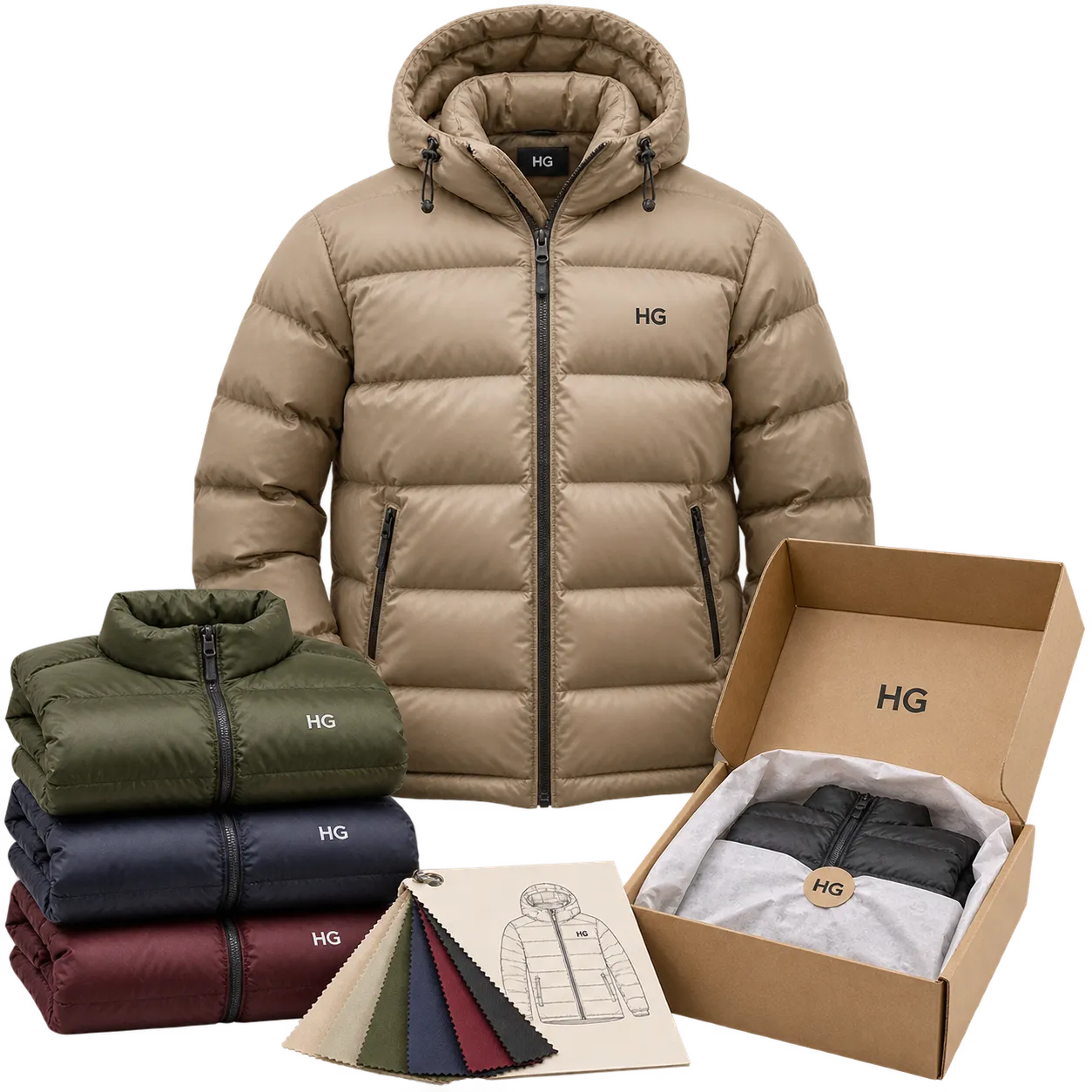
Brand-Friendly MOQs Starting at 20 Pieces:
Launch new puffer silhouettes or colorways without tying up large budgets in untested winter inventory.
Strict IP & Brand Confidentiality
Your tech packs, patterns and private label designs are never shared or reused. We are happy to sign a Non-Disclosure Agreement (NDA) before sampling.
Support for International B2B Orders
Work with a Pakistan-based puffer jacket manufacturer serving international brands, retailers and distributors. We coordinate worldwide shipping, with production timing, packing, delivery arrangements and responsibilities agreed around your order.
Hexa Gears vs. Marketplace Puffer Sourcing
If you are sourcing wholesale puffer jackets from Pakistan, working directly with the factory removes the middle layer between your brand and the people filling and sewing your jackets.
|
What matters |
Direct With Hexa Gears |
Through a Partner |
|---|---|---|
|
Supplier Relationship |
Work directly with the factory that quilts, fills and sews your puffers in Sialkot, Pakistan. |
Marketplace listings can come from factories, traders or resellers; confirm who actually makes the jacket. |
|
Sample-to-Bulk Consistency |
Approved fill weight, shell and lining are recorded and checked against the sealed sample on every repeat order. |
Confirm whether the bulk fill weight and fabrics will match the sample; lighter fill in bulk is a common complaint. |
|
Pattern & Fit Control |
Patterns graded to your brand’s size chart, with room for fill and layering built in. |
Standard sizing may not allow for fill thickness or your market; check their chart and sample fit before ordering. |
|
Fill & Leakage Control |
Down-proof linings, controlled stitching and per-size fill records to limit leakage and cold spots. |
Ask how fill weight is controlled and whether down-proof fabric is used; leakage often appears only after wear. |
|
Pricing Structure |
Factory-direct unit pricing based on your shell, fill, quantity and private label requirements. |
Compare like for like: confirm fill type, fill weight, decoration, labels, packing and shipping in each price. |
|
Issue Resolution |
Discuss manufacturing issues directly, with a free-remake policy for manufacturing defects under agreed terms. |
Remedies depend on each seller and platform policy, and fill-related problems may only appear after delivery. |
Services vary between suppliers. Confirm responsibilities, costs and approval steps before you place an order.
WHO WE MANUFACTURE FOR
Wholesale Puffer Jackets for Brands and Businesses
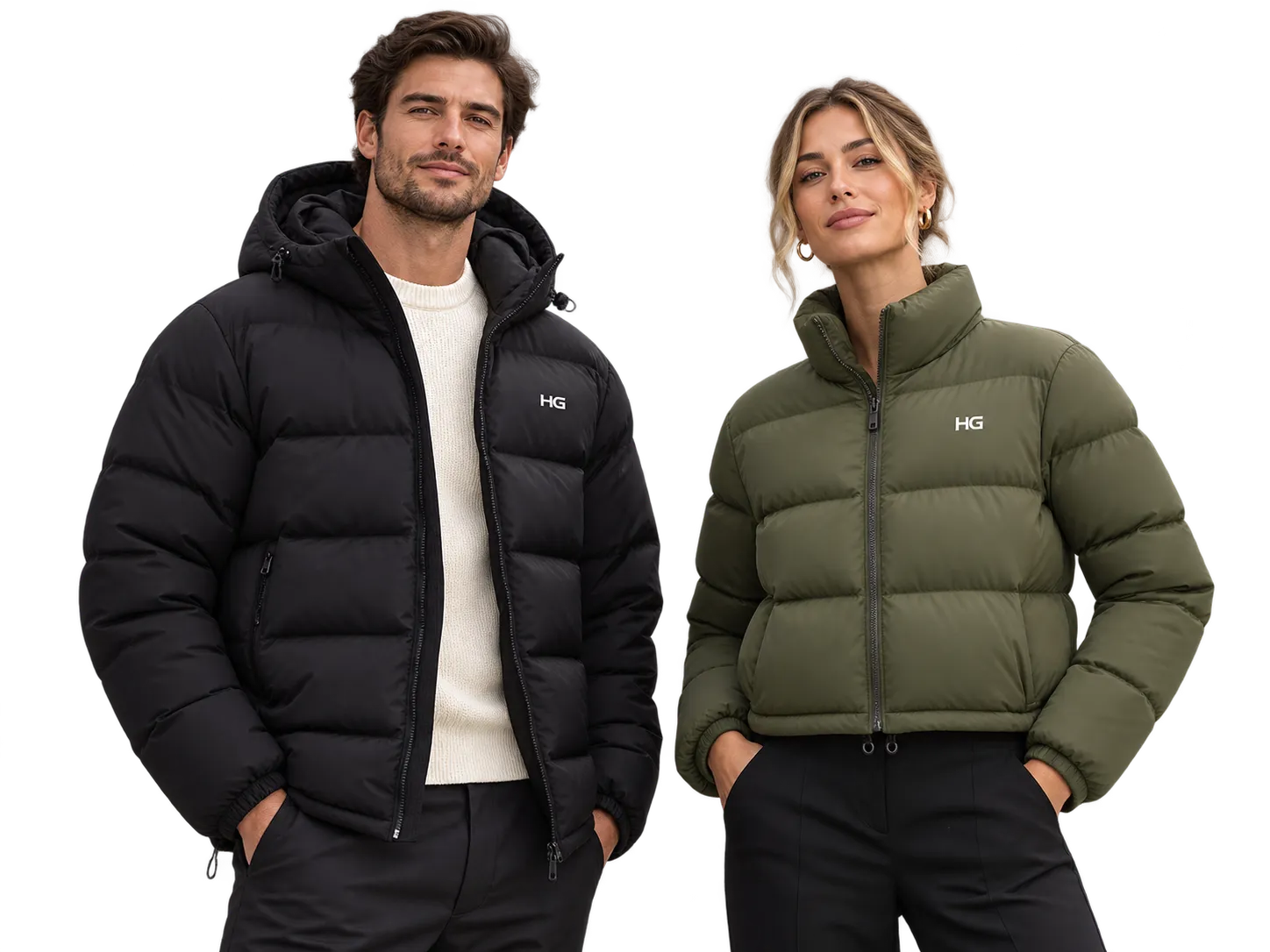
Every style can be developed as custom puffer jackets in small batch quantities or as wholesale puffer jackets for bulk clothing production.
GLOBAL REACH
Custom Apparel Exporter From Sialkot, Pakistan
Hexa Gears is a clothing manufacturer in Pakistan and an established sportswear B2B exporter from Pakistan. As an international clothing supplier, we support brands sourcing clothing from Pakistan with bulk clothing production and direct shipping from Sialkot. We work as a custom sportswear supplier for US brands, a wholesale gym wear supplier for UK businesses and a private label activewear supplier for Australian brands, as well as clubs and distributors in Canada, the Gulf and Europe.






NETHERLANDS

SAUDI ARABIA

IRELAND
WORLDWIDE
Custom Puffer Jackets Buyer Requests
Explore example requirements for private label and wholesale puffer jackets, from streetwear volume and fill choices to branding and wholesale assortments.
Illustrative project briefs — placeholders for future customer testimonials.
Volume Without Bulk
A streetwear brief may ask for oversized baffles and a cropped body. Reviewing baffle height, fill weight and hem position together creates the puffy look without making the jacket heavy or hard to move in.
A Packable Travel Layer
A travel collection may need a lightweight puffer that packs into its own pocket. The brief should state the target packed size, shell denier and fill type, then the sample confirms warmth, weight and packability together.
Warmth Matched to the Market
A cold-climate brief needs fill type, fill power and fill weight per size recorded. The sample shows how that fill changes volume and movement; fill weight alone does not establish the finished jacket’s warmth.
Logos That Suit Quilted Panels
A private label range may combine shell color, lining, logo method and placement. Planning embroidery or prints on flat areas before sampling avoids crushed baffles and leaking fill around the logo.
A Wholesale Order Ready for the Warehouse
A distributor’s brief should pair an approved size chart with quantities for each style, color and size. Agreed labels, compression packing and carton identification define how the bulk puffer order should arrive at the warehouse.
A Focused First Winter Drop
A new label may start with one puffer jacket and one matching vest before expanding. Hexa Gears offers MOQ starting from 20 pieces, with the design, shell, fill and style, color and size breakdown confirmed during quotation.
Let’s Develop Your Puffer Jacket Collection
Share your design references, target climate, size range and estimated quantities with Hexa Gears to discuss your custom puffer jacket manufacturing project.
Puffer Jacket Manufacturing FAQs
Custom Puffer Jacket Manufacturing FAQs
LET’S BUILD YOUR NEXT COLLECTION
Start Your Custom Puffer Jacket Project with Hexa Gears
Share your design references, preferred shell and fill, size range and order quantity with Hexa Gears. Include your delivery destination and arrival date so we can assess your private label or bulk puffer jacket requirements and prepare a quotation.